
You’re choosing homes where smart layouts, reliable maintenance, and accessible play areas cut daily friction and boost family safety in Bangalore’s evolving apartment market. Playability translates to faster task flow, better wayfinding, and adaptable spaces that support routines and social moments. Well-planned play zones reduce after-work stress, improve kid-friendly schedules, and lift resident satisfaction, even in downturns. With data on maintenance response, amenity use, and occupancy patterns, you’ll see why buyers value this edge—and what comes next.
Defining Playability in Bangalore Apartments
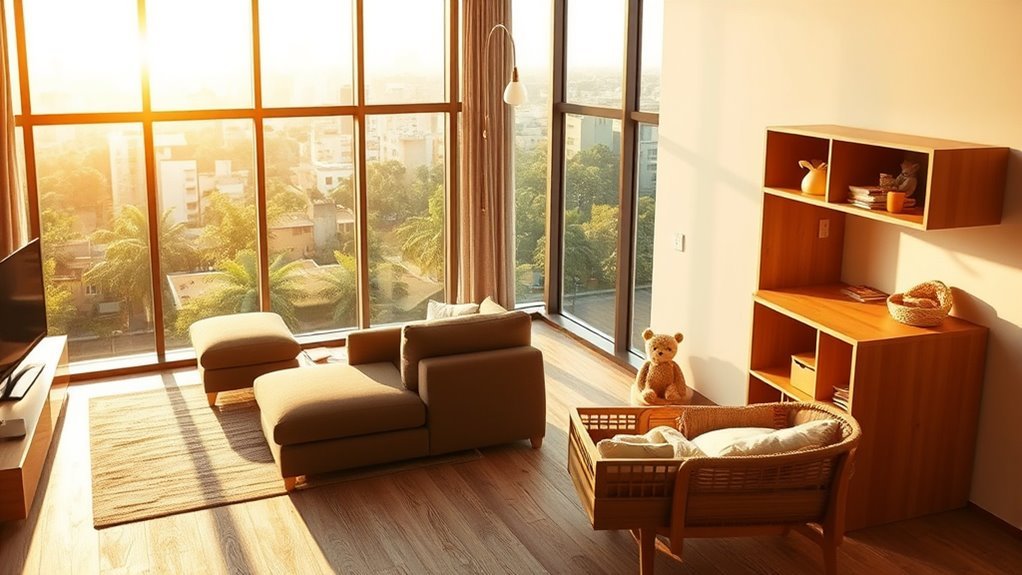
Playability in Bangalore apartments refers to how easily residents can enjoy daily life without friction, from smart layouts and accessible amenities to reliable maintenance and safety. Defining playability means measuring how spaces support routine tasks, social interactions, and personal well-being. You assess this through concrete indicators like flow, wayfinding, and adaptability of rooms to different activities. Playability metrics capture how often residents encounter friction, such as bottlenecks or maintenance delays, and how quickly issues are resolved. Emphasis lies on play friendly layouts that minimize wasted steps and maximize intuitive use of common areas, storage, and circulation. Data-driven assessments combine occupancy patterns, incident response times, and amenity utilization to reveal true ease of living. Informed buyers seek environments where tangible metrics translate into consistent, welcoming daily experiences.
How Play Areas Shape Daily Life for Families and Professionals
In Bangalore apartments, the layout and availability of designated play areas directly influence daily routines for both families and professionals. You’ll notice time saved commuting to off-site facilities translates into predictable schedules and reduced after-work stress. Play areas with well-planned zoning encourage peak usage during evenings, smoothing childcare coordination and giving you reliable overlap with partner routines. Data shows residences containing playful amenities see higher resident satisfaction scores and lower turnover, especially among households with school-age kids. Kid friendly spaces also encourage spontaneous socialization, strengthening neighborhood ties without sacrificing privacy. For professionals, proximity to safe, accessible play zones supports quick family-breaks, easing transitions between work calls and dinner prep. Overall, intentional play-area design reinforces belonging and community cohesion while preserving individual productivity.
Health, Wellbeing, and Social Benefits of Playful Design
Could playful design really boost health and social wellbeing in Bangalore apartments? Yes, when you measure outcomes with playfulness metrics and embed wellness integration, benefits become evident. Consistent opportunities for playful interaction can reduce stress, improve mood, and strengthen social ties among residents, not just children. Data from mixed-age play spaces shows higher activity levels, better sleep quality, and lower reported anxiety in communities prioritizing informal play. You’ll notice more spontaneous encounters that ease loneliness and foster inclusivity, creating a sense of belonging. Design elements like flexible recreation zones, accessible stair paths, and modular furniture support ongoing use, even as needs evolve. In short, measurable playfulness and intentional wellness integration transform living spaces into healthier, socially richer environments.
Evaluating a Project for Playability: Criteria for Buyers
How do you gauge a project’s playability before you buy? Start with measurable safeguards: layout efficiency, common-area depth, and resident density per acre. Assess playable zoning by mapping land use buffers, open space ratios, and access to mixed-use zones that support daily micro-activities without cars. Look for consistent maintenance plans, visible safety features, and future-proofing for evolving family needs. Evaluate kids scale amenities—age-appropriate play zones, surface materials, shade, and supervision options—ensuring segregated but integrated spaces for diverse ages. Demand third-party certifications, annual usage reports, and community governance transparency. Check traffic calming, pedestrian routes, and proximity to schools, clinics, and markets to reduce friction. A project with clear playability metrics signals belonging, reliability, and long-term suitability for your household.
Value, Pricing, and Long-Term Returns of Playability

Playability isn’t just a feel-good feature—it’s a measurable driver of value, pricing, and long-term returns. You’ll see playability value reflected in resale premiums, rental stability, and faster absorption, as units with adaptable layouts and shared spaces command sustained demand. Pricing playability tends to compress cap rates upward in premium belts, while projects with robust playable design outperform peers during market downturns due to broader appeal. Over the long term, you benefit from higher occupancy and lower vacancy risk, translating into steadier cash flow and capital appreciation. In Bangalore’s market, this means living in a development that stays relevant as family needs evolve. If you seek belonging, prioritize playability as a core signal of durable, attractive value and predictable returns.
Frequently Asked Questions
How Durable Are Play Areas Against Bangalore Monsoons and Heat?
Around 60% of builders report playground materials with anti-slip, UV-stable coatings last at least 8–10 years in monsoon-heavy climates, so you’ll get monsoon resilience and durability you can trust, even during Bangalore summers and monsoons.
Do Play Zones Increase Initial Purchase Price and Maintenance Costs?
Play zone costs can raise initial price, but you’ll offset it with strong resale appeal; maintenance budgeting matters, yet kids’ usage boosts perceived value and belonging, making this a prudent trade-off in Bangalore apartment purchases.
Which Safety Certifications Should Buyers Look for in Play Equipment?
You should look for playground safety certifications like ASTM and EN standards, plus independent third-party validation. You’ll feel confident knowing equipment certification and rigorous testing alleviate injury risk, supporting belonging through trusted, data-driven decisions about safe play areas.
How Do Play Areas Affect Resale Value and Rental Demand?
Play areas boost resale value and rental demand by enhancing play area aesthetics and attracting families who value nearby green spaces; you’ll see higher perceived quality, longer tenancies, and quicker sales when these features correspond with buyer preferences.
Are There Age-Specific Play Zones for Multi-Generational Households?
Yes—there are age-specific play zones for multi-generational households. You’ll see distinct zones for seniors, toddlers, and teens, aiming for inclusivity. Play zones require planned maintenance costs, balancing safety, accessibility, and utilization to maximize belonging and value.