
The best park play equipment for public spaces in Karnataka combines durable, modular design with climate-aware materials. Look for corrosion-resistant metals, UV-stable plastics, and treated timber, plus ventilated, non-slip surfaces and quick-dry fabrics to handle monsoons and heat. Prioritize modular components for easy maintenance, and local sourcing to support regional suppliers and faster repairs. Inclusive designs and accessible pathways ensure all ages can join the fun. Curious to see concrete case studies and implementation tips next.
Climate Criteria for Karnataka Playground Gear
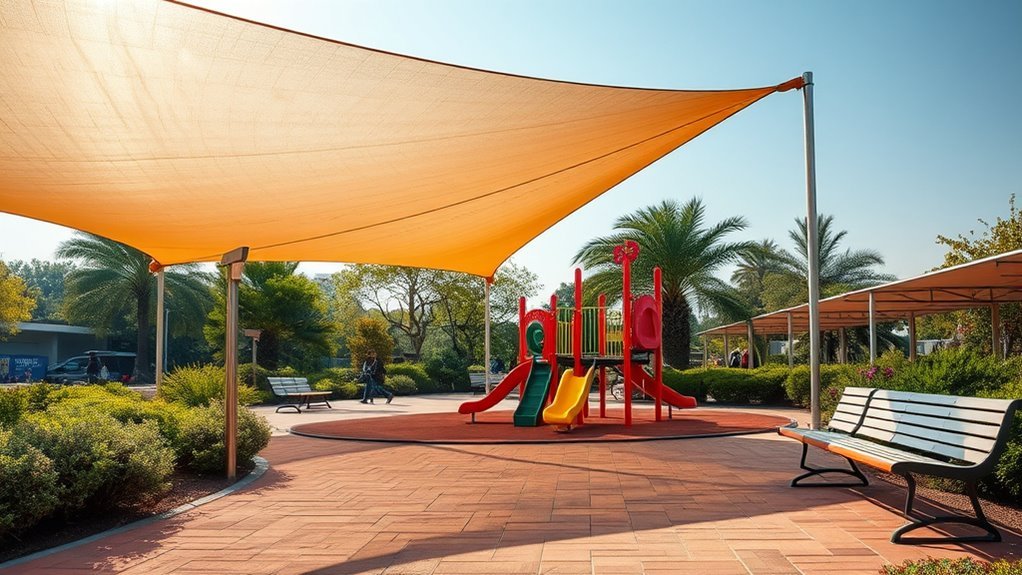
Climate conditions in Karnataka heavily shape playground gear choices, so the focus is on selecting materials and designs that endure heat, humidity, and heavy rainfall. You’ll assess climate resilience by prioritizing corrosion-resistant metals, UV-stable plastics, and treated timber that withstands thermal cycling. Ventilated, non-slip surfaces reduce heat buildup and offer safer footing after rain. Monsoon adaptation means choosing drainage-oriented layouts, elevated platforms, and quick-dry fabrics where applicable. Consider coated finishes that resist mold and mildew, and seals that endure frequent soaking without cracking. Repairability matters: modular components simplify replacements, extending life cycles and lowering costs. In collaboration, coordinate procurement with local maintenance capacity and seasonal workload. This practical approach ensures durable equipment, predictable maintenance, and inclusive, lasting park experiences.
Inclusive Design by Age and Ability in Karnataka
Inclusive design for Karnataka parks means creating play spaces that everyone can use, regardless of age or ability. You’ll center accessibility from the ground up, ensuring paths, seating, and play zones invite curious users of all profiles. Consider age accessibility: equipment should support toddlers, parents, teens, and seniors without stigma, with clear sightlines and intuitive interfaces. Practical planning blends inclusive design with affordability: choose modular pieces, simple coatings, and adjustable heights that reduce barriers while maintaining safety. Emphasize affordable maintenance by standardizing components and using durable, low-skill repair methods. Local production matters: source locally, support nearby workshops, and tailor features to cultural context. Collaboration across communities ensures durable relevance, shared ownership, and a park that truly feels inclusive for every visitor.
Durable, Low-Maintenance Equipment for Public Spaces
When you choose durable materials, you cut maintenance frequency and weather-related failures, keeping parks safer and usable longer. We’ll weigh how low-maintenance practices affect long-term costs, trash and wear, and visitor experience, so every rupee works harder. This discussion centers on durable materials, practical upkeep, and the lasting value public spaces deliver to Karnataka communities.
Durable Materials Selection
Durable materials are the backbone of park play equipment in public spaces, delivering long life with minimal upkeep. You’ll evaluate options through real-world use, balancing safety, weather resistance, and cost. Prioritize materials that tolerate heavy foot traffic and vandalism without frequent replacement. Durable plastics offer smooth, UV-stable surfaces that resist cracking and fading, reducing repaint cycles and splinter risk for kids and caregivers. Galvanized steel provides structural robustness and corrosion resistance in humid Karnataka climates, easing long-term maintenance. Consider coatings and compatibility between components to avoid galvanic corrosion and wear gaps. Favor modular designs that simplify inspections and part swaps. Document performance benchmarks with your local teams, focusing on accessibility, safety, and community pride, so spaces feel welcoming, durable, and easy to steward over time.
Low Maintenance Practices
How can you keep park play equipment in public spaces durable without slowing operations or inflating costs? You can build reliability through a disciplined maintenance cadence and thoughtful design choices that emphasize playground runtime. By choosing modular components that snap together and resist corrosion, you cut downtime and simplify tasks. You’ll nurture a sense of belonging when teams collaborate to monitor wear and share quick fixes.
- Establish a predictable cadence with monthly inspections and rapid-response repairs.
- Schedule preventive lubrication and surface checks to prevent minor issues from escalating.
- Track performance metrics to refine materials and routines over time.
This approach keeps communities confident in safety while preserving budget, enabling welcoming, durable spaces for all.
Long-Term Public Value
Long-term public value rests on equipment that endures without driving up maintenance costs, so design choices and procurement practices should prioritize durability, modularity, and ease of repair from day one. You’ll benefit from components that resist vandalism and weather, with standardized parts that simplify upkeep. Prioritize modular systems that adapt to changing needs, reducing total cost of ownership and extending park life. When planning, you’ll want clear life-cycle analytics, so budgets support long term sustainability and predictable replacement cycles. Engage the community early to align needs with durability goals, boosting ownership and usage. This collaborative approach enhances trust, encourages responsible use, and strengthens sense of belonging, ensuring equipment remains valuable and inviting for years to come.
Water Play and Splash Features for Warm Seasons
Water play and splash features are a practical way to cool public spaces in Karnataka’s warm seasons, offering inclusive fun for all ages whereas encouraging short, frequent visits. You’ll assess installations by water efficiency, accessibility, and maintenance needs to maximize community use without excess cost. Consider how splash features invite spontaneous, social play while ensuring safe, supervised interactions during peak heat. Focus on modular designs that adapt to park layouts and crowd rhythms, so families and seniors feel welcome. For quick reference, prioritize these elements:
- Water play zones with gentle jets and shade
- Low‑maintenance pumps and recirculation systems
- Accessible pathways and tactile cues for inclusivity
Safety Standards and Surface Choices in Karnataka
Are safety standards and surface choices in Karnataka aligned with best practices for public park play spaces, and how do they influence design decisions? You’ll find that compliance guides material selection, fall heights, and clearance zones, ensuring inclusivity and ongoing usability. Safety standards drive routine inspections, accessible routes, and age-appropriate zoning, so you can plan equipment that works for families, seniors, and caregivers alike. When evaluating surface choices, you’ll weigh impact attenuation, drainage, and maintenance needs, favoring durable, slip-resistant options that remain accessible in monsoon conditions. Collaboration with local authorities and communities helps validate standards, while pilot testing reveals practical adjustments. In short, thoughtful safety standards and surface choices shape safer, welcoming spaces where everyone feels they belong and can play together.
Budgeting Lifecycle Costs for Park Equipment
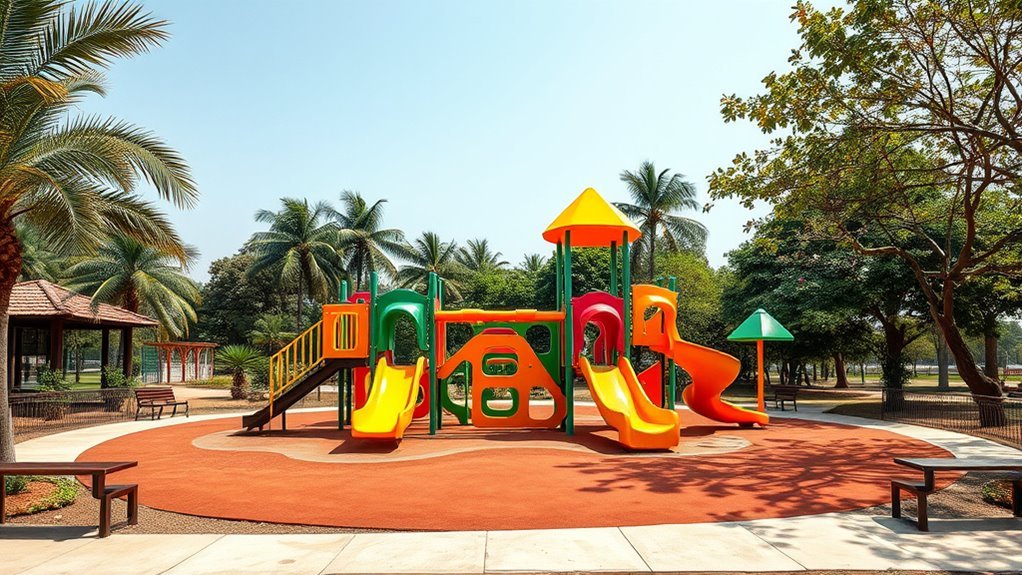
Budgeting lifecycle costs for park equipment requires a practical, collaborative approach that looks beyond upfront purchase prices. You’ll map long‑term expenses and define value for residents, planners, and caretakers, ensuring sustainability isn’t an afterthought. Through budget forecasting, you estimate maintenance, replacement cycles, and energy use, aligning funding with community goals and seasonal needs. Lifecycle budgeting helps you compare options over time, not just at purchase. To keep projects affordable and inclusive, consider phased investments that spread costs and maximize accessibility.
- Align cost projections with grant cycles, user demand, and safety standards.
- Schedule regular maintenance windows and anticipated component replacements.
- Prioritize durable materials and modular design for adaptable spaces.
Local Sourcing and Karnataka Case Studies
Local sourcing in Karnataka isn’t just about cheaper materials; it’s about building resilient park spaces with local manufacturers, farmers, and craftsmen who understand regional climate and usage. You’ll see how local sourcing strengthens community pride while ensuring durability and easier maintenance. In Karnataka case studies, boards and NGOs collaborated with nearby suppliers to tailor equipment for monsoon resilience, shade availability, and child safety standards, cutting lead times and transport emissions. These examples show practical steps: map regional suppliers, pilot small orders, and scale with transparent pricing. You’ll benefit from shared procurement know-how, standardized quality checks, and long-term service commitments. Local sourcing isn’t merely a cost decision; it’s a collaborative strategy that yields nimble, inclusive parks that belong to everyone. local sourcing, karnataka case studies
Frequently Asked Questions
How Do Playground Footprints Affect Visitor Flow and Crowding?
Playground footprint shapes visitor flow to curb crowding; you’ll map paths, entrances, and sightlines for smooth movement, improving crowd management. In park design, collaborate with users to create inclusive spaces where everyone belongs.
Which Materials Reduce Vandalism Without Compromising Play Value?
You’ll prioritize vandalism resistant materials that don’t sacrifice play value, choosing options with durable finishes and modular design so you stay affordable yet engaging; cooperate with neighbors to test constraints, ensuring affordable play value while deterring misuse.
Do Parks Require Shade Structures for Equipment Usage?
Yes, you’ll want shade structures, and you’ll regrettably notice reduced usage without them; plus, choosing shade structures and vandalism resistant materials helps you maximize safety, comfort, and community trust while keeping maintenance manageable and collaborative.
How Can Parks Update Older Equipment With Minimal Disruption?
You can update older equipment with minimal disruption by planning phased updates, leveraging existing budgets, and scheduling off-peak installations; monitor update cycles, involve stakeholders, and emphasize vandalism reduction to nurture community ownership and shared responsibility.
What Grants or Sponsorships Support Maintenance Funding?
Grants funding and sponsorship opportunities exist to support maintenance, so you can plan reliably. You’ll assess eligibility, timelines, and partnerships, work with local stakeholders, and secure stable backing that fosters belonging while keeping park equipment safe and functional.