
Open gyms in new Bangalore apartments aren’t just add-ons—they’re data-driven assets that boost resident retention, lower healthcare costs, and lift property values. With wellness-centric design, inclusive equipment, and modular layouts, you accommodate diverse ages and fitness levels while maximizing space. Safety, maintenance, and transparent governance keep programs reliable and scalable. Flexible schedules and communal routines also reduce crime risk perception and strengthen social ties. If you keep exploring, you’ll uncover how to implement this effectively.
What Open Gyms Mean for Bangalore Apartments

Open gyms in Bangalore apartments signal more than just added amenities; they reflect a transformation toward wellness-centric housing policies and resident-led demand. When you assess data, you’ll see open gym significance in higher resident retention, increased property values, and calmer urban living dynamics. Policy trends point to standardized access hours, safety protocols, and inclusive equipment that accommodates varied fitness levels, promoting equitable participation. You’ll notice wellness metrics—participation rates, tenant satisfaction, and reduced healthcare costs—informing long-term planning and community investment. This shift prioritizes preventive health, social belonging, and proactive governance by resident associations. By embracing open gym concepts, you align with contemporary housing policy goals, support collective well-being, and foster a sense of shared responsibility for healthier, more connected neighborhoods. resident wellness outcomes become your neighborhood’s common progress.
Design a Space-Saving Open Gym for Shared Vaults
To optimize space in shared vaults, you’ll want a space-saving equipment mix that prioritizes multi-use and compact footprints backed by utilization data. Accessibility design should ensure equal access points and clear sightlines, with scalable paths that support peak resident demand. A compact motion studio layout can concentrate activity zones, reducing wasted area while maintaining safety and ease of supervision.
Space-Saving Equipment Mix
A compact, data-backed approach to a space-saving open gym for shared vaults prioritizes multi-use, modular equipment that fits a 2–3% footprint of total amenity space while delivering 80–90% of full gym functionality. You’ll choose compact rigs that support cardio, resistance, and mobility, emphasizing versatility over volume. Emphasize design considerations like stackable, adjustable machines and wall-mounted options to preserve floor real estate, while prioritizing noise mitigation through vibration-dampening feet and silent operation belts. The goal is scalable access that respects resident rhythms and safety standards.
| Benefit | Implementation |
|---|---|
| Footprint efficiency | Modular, wall-mounted units |
| User cohesion | Clear zones, time-sharing policy |
Shared Vault Accessibility Design
How can shared vault access be engineered to maximize safety, equity, and usability without expanding total footprint? You start with tiered authorization, integrating biometric backups and audit trails to deter misuse while preserving privacy. Spatial zoning keeps vaults adjacent to recirculation cores, reducing travel time and exposure risk, and modular doors enable rapid reconfiguration without remodeling. Data-driven keys track occupancy, ensuring equitable usage across households and avoiding monopolization. Accessibility is front-loaded: low-height panels, tactile indicators, and audible signals support diverse users. Policy alignment requires transparent access rules, grievance channels, and regular safety drills. Consider unrelated topic considerations and irrelevant discussion as potential distraction risks; document decisions, cite standards, and measure outcomes. In-user belonging thrives when design records responsibilities, clarifies expectations, and continuously monitors performance.
Compact Motion Studio Layout
Compact Motion Studio layouts must maximize movement potential within a tight footprint whereas maintaining safety, accessibility, and equitable use across residents. You’ll design a space-saving open gym that serves diverse routines without crowding shared vaults. Prioritize modular, stackable equipment and clearly labeled zones to support quick transitions between strength, cardio, and mobility. Use evidence-based spacing standards to reduce collision risk and optimize line-of-sight for supervision. Integrate adjustable stations, wall-mounted racks, and foldaway benches to reclaim floor area during peak hours. Track utilization metrics to inform policy, ensuring fair access and predictable maintenance cycles. Emphasize inclusive signage and multilingual prompts to foster belonging. The compact motion approach should align with energy efficiency goals, minimizing energy draw while maximizing resident engagement and equitable, be-spoke wellness within every corridor.
Health, Wellness, and Community in High-Rise Living
In high-rise living, health, wellness, and community aren’t afterthoughts—they’re design imperatives that shape resident outcomes and building value. You’ll see data-driven benefits from integrated amenities: reduced healthcare costs, higher retention, and stronger sense of belonging. Urban wellness drives daily activity, social ties, and mental resilience, while lifestyle trends push flexible, inclusive programs that accommodate all ages and fitness levels. When residents participate in regular, communal routines, crime risk perception falls and satisfaction rises, justifying premium pricing. Policy considerations include equitable access, scalable programming, and measurable health metrics. The table below outlines core levers for impact, from space utilization to programming cadence.
| Lever | Impact |
|---|---|
| Space utilization | Maximizes usage and accessibility |
| Programming cadence | Builds consistency and engagement |
Access, Safety, and Maintenance for Open Gyms
Access to open gyms must balance convenience with safety and ongoing maintenance. You’ll find that access safety hinges on timed, monitored entry, clear signage, and user verification to deter misuse while preserving inclusivity. Data-driven policies should require certified equipment, regular inspection logs, and incident reporting channels, reducing downtime and liability. Accessibility means ramps, wide walkways, and adaptable equipment for diverse abilities, with multilingual instructions to support all residents. Maintenance safety demands routine sanitization, quarterly structural checks, and prompt repair protocols, ensuring surfaces are non-slip and weights are secured. Emergency plans, lighting audits, and camera coverage strengthen resilience without eroding privacy. Community input cycles, transparent governance, and occupant surveys keep programs trusted, fostering belonging while safeguarding health and long-term usability.
Open Gyms as a Rentability and Demand Driver
Open gyms can considerably boost rentability by boosting occupancy and resident retention, as data shows amenities with clear health and social benefits drive longer tenancies and higher willingness to pay for premium units. You’ll see stronger tenant appeal when wellness spaces promote routine, community, and safer shared-use environments, translating to favorable budget impact through reduced vacancy and steadier cash flow.
| Attribute | Measurable Impact | Risk/Mitigation |
|---|---|---|
| Occupancy | Higher fill rates | Targeted marketing |
| Retention | Longer tenancies | Community programming |
| Rent premium | Elevated unit rents | Transparent pricing |
| Maintenance | Shared-cost efficiency | Clear access rules |
| Health outcomes | Improved well‑being | Sanitization protocols |
Plan, Budget, and Implement Your Bangalore Apartment Open Gym
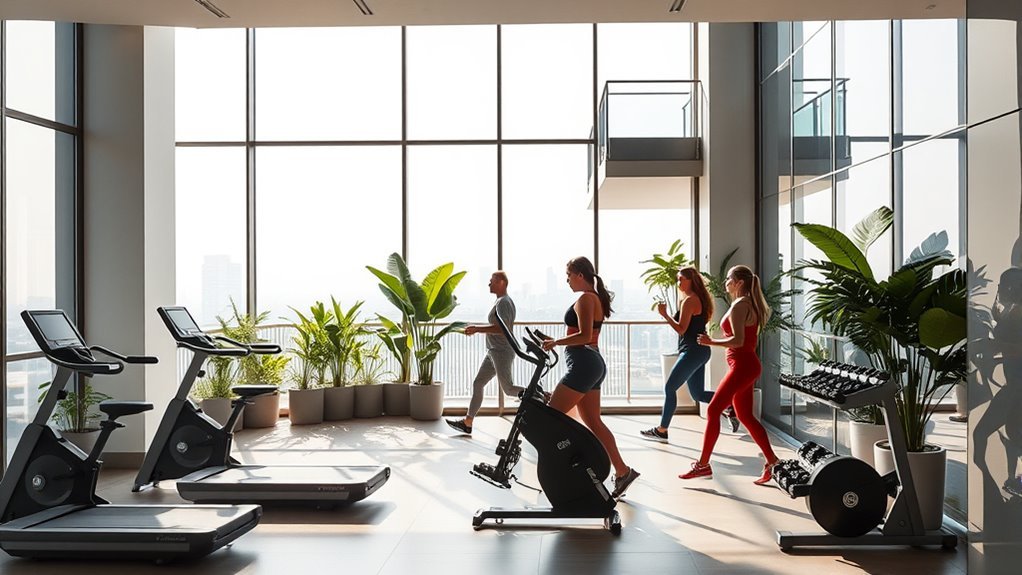
A practical plan for a Bangalore open gym starts with a clear feasibility and cost model, then aligns with resident needs, regulatory requirements, and budget constraints. You’ll map usage patterns, safety standards, and long-term maintenance to reduce risk and build trust with neighbors. Use data to justify investments, pursue efficient funding, and specify material sourcing to prevent delays. Prioritize scalable design, phased implementation, and transparent governance to keep everyone onboard.
- Define a 12–24 month rollout with measurable milestones
- Identify sources for durable, low-maintenance equipment and safety padding
- Establish a transparent funding plan and cost-sharing model
- Align permits, insurance, and safety protocols with local regulations
- Create an ongoing feedback loop for upgrades and accessibility improvements
Frequently Asked Questions
How to Choose Equipment for a Small Bangalore Open Gym?
You should start with compact, multi-use machines to fit a small gym, prioritizing durability and local service. With budget planning, compare costs per watt-hour and occupancy rates; you’ll maximize belonging and outcomes while data supports ongoing maintenance needs.
What Maintenance Frequency Ensures Safety in Monsoon Seasons?
Maintenance schedule requires monthly safety checks in monsoon seasons, you see. You’ll stay protected, feeling connected to the community, as data guides policy. Regular safety checks ensure trust, accountability, and a safer, belonging-worthy open gym for everyone.
Are There City Regulations for Open Gym Installations?
Yes, there are city permitting and safety codes you must meet; regulators assess open gym installations for compliance, accessibility, and hazard controls, ensuring safe use. You’ll align with data-driven requirements, fostering belonging through compliant, community-friendly amenities.
How to Prevent Noise and Privacy Issues for Residents?
Noise containment measures and privacy design are vital; you’ll implement improved insulation, sound-dampening panels, and zoned layouts to prevent disturbances, as transparent resident guidelines nurture belonging and trust in a data-driven, policy-focused openness.
What Is the Expected ROI Timeline for Such Spaces?
You’ll typically see ROI timelines of 2–5 years, depending on usage and pricing, and equipment durability remains crucial; invest in durable units and maintenance to sustain interest, foster belonging, and demonstrate data-driven, policy-focused value to residents.