
You’ll see a play area that was overlooked become durable, inclusive, and flexible by centering safety, accessibility, and community input in a phased redesign. The project uses flexible zones, multi-use surfaces, and sustainable materials to create calmer daily use, better sightlines, and shared spaces for students, teachers, and families. Co-design sessions with students, teachers, and families guide decisions, with clear timelines, maintenance roles, and quick adaptations. Want more detail on each step and outcome?
The Problem and Opportunity: Why the Play Area Needed Transformation
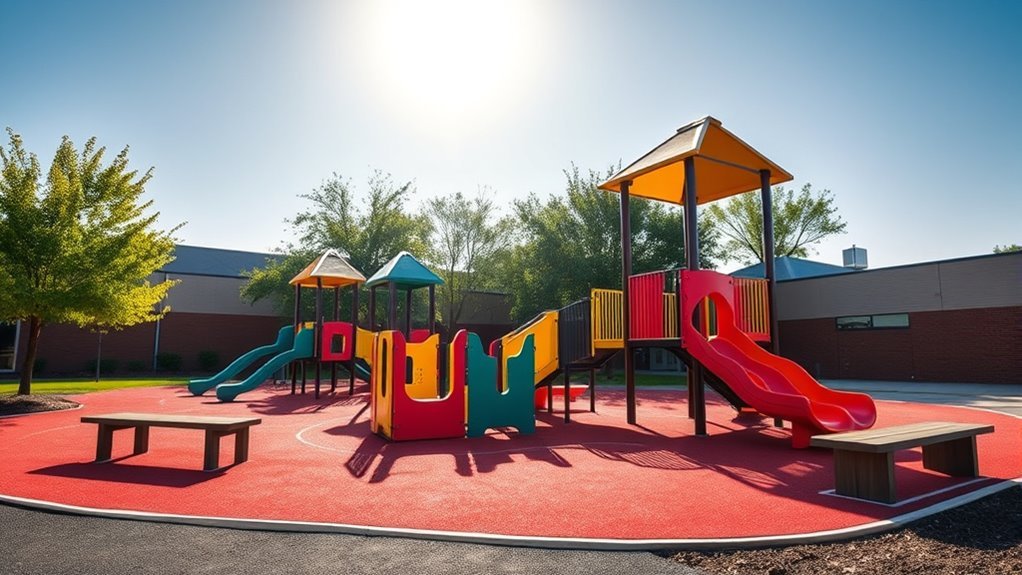
The play area had latent potential that wasn’t being realized, and that gap between what kids needed and what they had created a clear opportunity for change. You observe worn equipment, uneven surfaces, and cramped zones that stifle exploration. The current layout fails to welcome you, your peers, and visiting families into a sense of belonging. By analyzing usage patterns, you notice peaks of frustration during transitions and quiet corners unused due to poor sightlines. The opportunity is practical: reframe the space with thoughtful playground aesthetics that invite interaction, and introduce durable outdoor furniture that supports gathering, rest, and collaboration. This isn’t cosmetic; it’s structural, aligning safety, accessibility, and inclusive design to foster confidence and a shared sense of place for every child.
Co-Design With Students, Teachers, and Families
You’ll start by running inclusive planning sessions that invite input from students, teachers, and families to surface needs from multiple perspectives. Then you’ll share decisions openly, document trade-offs, and set clear roles so everyone knows how they contribute to the play area design. Finally, you’ll outline family involvement strategies that keep caregivers informed and able to participate, from surveys and mockups to volunteer days.
Inclusive Planning Sessions
Inclusive planning sessions bring students, teachers, and families into a shared design space from the start, ensuring diverse needs guide every decision. You’ll run structured workshops, gather input early, and map constraints with empathy, so every voice shapes the plan. This approach cultivates inclusive planning and student empowerment, letting learners influence equipment, layouts, and safety features. Documented notes and quick prototypes keep discussions tangible, not theoretical. Regular check-ins confirm progress coordinates with community values, while clearly defined roles prevent dominance by any group. The result is a play area that reflects belonging, practicality, and durability.
| Role | Focus area |
|---|---|
| Student | Perspective on usability |
| Teacher | Safety and inclusivity |
| Family | Accessibility concerns |
| Administrator | Budget and timeline |
Shared Decision Making
Co-design brings students, teachers, and families into the center of decision making, turning insights from inclusive planning sessions into concrete, actionable choices. You’ll facilitate shared decisions by outlining options, listening for needs, and documenting agreed priorities. In practice, you’ll map activities to school values, ensuring every voice is heard while maintaining a clear path to implementation. You’ll balance play-area goals with child safety considerations, confirming that chosen features meet supervision standards and age-appropriate use. When budget constraints arise, you’ll co-create phased timelines, transparent cost estimates, and alternatives that preserve core benefits without sacrificing safety or accessibility. You’ll use check-ins, revisions, and sign-offs to sustain ownership, so students, teachers, and families feel welcome, responsible, and connected to every step of the redesign.
Family Involvement Strategies
How can families be meaningfully involved in co-design with students and teachers to shape a safer, more engaging play area? You’ll align goals, share insights, and commit to practical steps that boost belonging for all. Start with clear roles: students draft ideas, teachers advise on safety, families provide resources and feedback. Use micro-work sessions that welcome diverse perspectives, then translate ideas into feasible plans. Emphasize transparent timelines, document decisions, and celebrate milestones with the school and neighborhoods. Community fundraising and parental volunteering can fund equipment, shade, and accessible surfaces, strengthening local pride. Visualize progress below:
| Idea | Resource | Timeframe |
|---|---|---|
| Co-design workshops | Volunteer coordinators | 4 weeks |
| Safety reviews | Parent-teacher team | Ongoing |
| Pilot play elements | Fundraising logs | 6 weeks |
| Community events | Local sponsors | Monthly |
| Feedback loops | Surveys | Quarterly |
From Vision to Criteria: Safety, Inclusivity, and Well-Being
What does turning a vision into reality look like regarding safety, inclusivity, and well-being? You map objectives to concrete criteria, then set measurable steps you can track. Start with Inclusion metrics that quantify participation, access, and comfort across students, staff, and families. Pair them with Safety audits that identify hazards, supervision gaps, and policy shortfalls, documenting fixes with clear owners and timelines. Translate these findings into actionable standards: low-friction entry points, clearly marked zones, and inclusive routines that invite collaboration. You define well-being through balance, predictability, and supportive practices, ensuring rest breaks, safe play, and respectful peer interaction. Regular reviews keep you honest, adjusting thresholds as you grow. The result is a grounded, inclusive play area that feels reliable and welcoming to all.
The Design Narrative: Flexible Zones, Materials, and Sustainability
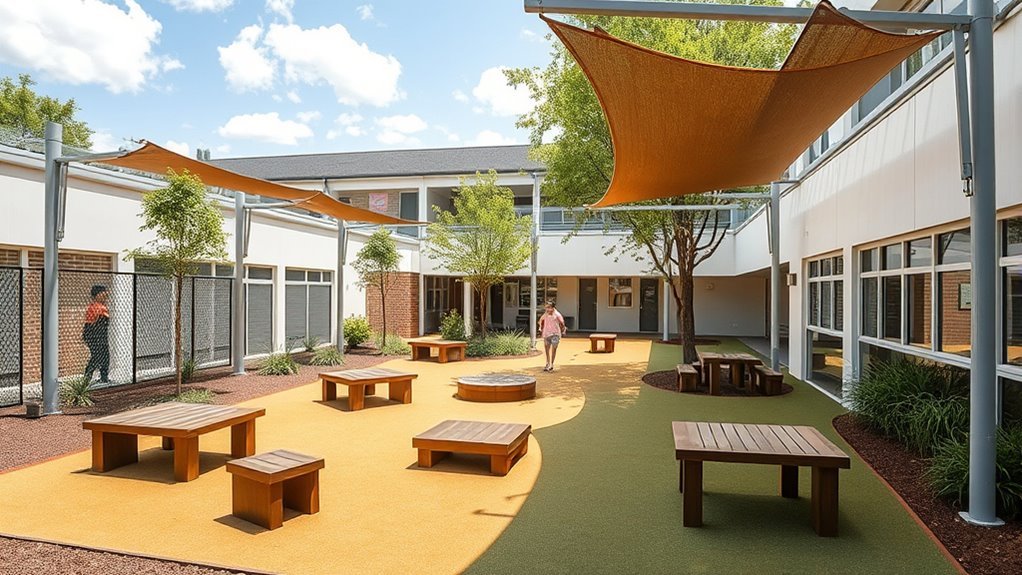
Flexible zones anchor the design narrative, allowing spaces to adapt to different activities without friction; you outline boundaries, sightlines, and multi-use surfaces that can transition with simple cues.
This approach centers a practical, inclusive experience, where every material choice reinforces belonging and responsibility. You’ll specify a design narrative that foregrounds flexibility, durability, and comfort, using sustainable materials to minimize impact while maximizing play value. The finished plan feels coherent, not cluttered, with color, texture, and scale guiding users through engage.
- Flexible zones, defined boundaries, and clear sightlines support safe exploration
- Sustainable materials balance resilience, maintenance, and tactile engagement
- Multi-use surfaces enable quick reconfigure for evolving activities and social interactions
Implementation Journey: Timeline, Challenges, and Adaptations
You’ll map the Timeline Milestones against project phases, noting key dates, decisions, and handoffs as each stage unfolds. Confront Onsite Challenges head‑on by identifying bottlenecks, safety concerns, and weather impacts, then outline concrete Adaptations that kept the plan on track. Use this discussion to surface practical lessons on how adjustments shaped outcomes without compromising quality or timeline.
Timeline Milestones
The timeline traces the project from initial planning to final installation, highlighting key milestones, decision points, and the adaptations made along the way. You’ll see how decisions evolved with input from staff, students, and families, keeping comfort and safety central. Each milestone is a checkpoint for practical progress, not poetry—clear actions, accountable owners, and measurable outcomes. You’ll notice how early scaffolds gave way to durable materials, how paint durability considerations shaped surface choices, and how acoustics were integrated to reduce noise while boosting play value. The process stayed focused on inclusion, ensuring everyone felt invited to contribute.
- Align goals with safety standards and budget constraints
- Select materials for playground acoustics and paint durability
- Pilot test, gather feedback, adjust scope before final installation
Onsite Challenges Adaptations
As the project moved from planning into on-site work, we faced real-world constraints that required quick, practical adaptations. You’ll notice how decisions tighten around daily realities, not ideals, shaping every step you take. We prioritized safety checks, reconfigured layouts, and documented decisions to keep the team aligned. You address playground acoustics by selecting surface materials that dampen noise while preserving playfulness, balancing comfort with supervision needs. Budget constraints pushed us toward modular, reusable elements, postponing upgrades until funding aligned with milestones. Communication became your cornerstone: weekly huddles, on-site walk-throughs, and rapid feedback loops. You’ll feel the sense of belonging as volunteers and staff see their input reflected in pathways, shaded zones, and seating. The result remains agile, inclusive, and resilient.
Impact in Practice: Daily Use, Collaboration, and Resilience
How has daily use changed the school’s play area and what does that look like in practice? You observe calmer, more intentional play, with zones guiding collaboration and quick transitions between activities. Students lead short leadership roles, and you notice peers mentoring younger children during breaks, strengthening belonging. Teacher reflection informs adjustments, while a steady funding strategy keeps equipment refreshed without disruption.
Daily routines foster calmer, intentional play with guided zones, leadership roles, and peer mentoring across breaks.
- Roles rotate for maintenance, supervision, and event prep
- Shared planning time aligns activities with curriculum goals
- Quick-resilience drills embedded in routines reduce friction during chaos
In practice, you document outcomes, adapt layouts, and celebrate small wins together. You name processes, not people, and emphasize inclusive access, safety, and respect. Budget confidence grows as usage proves value and impact.
Community Ownership: Sustaining the Space With Ongoing Roles
Community ownership hinges on clear, ongoing roles that keep the space lively. You’ll define steward duties, safety check-ins, and seasonal maintenance tasks so everyone knows their part. With concrete schedules and written expectations, you reduce ambiguity and build trust among students, families, staff, and local partners. For lasting engagement, establish regular briefings where feedback is heard, ideas are validated, and small wins are celebrated. You’ll use stakeholder facilitation to coordinate across groups, ensuring diverse voices shape activities, permissions, and calendar events. Plan for funding logistics early: tracking small grants, donations, and in-kind support helps sustain tools, paint, and equipment renewals without surprises. Document decisions, rotate leadership roles, and publish progress updates so the community sees continuity, belonging, and shared responsibility in every season.
Replicable Steps: an 8-Step Blueprint for School Playground Redesign
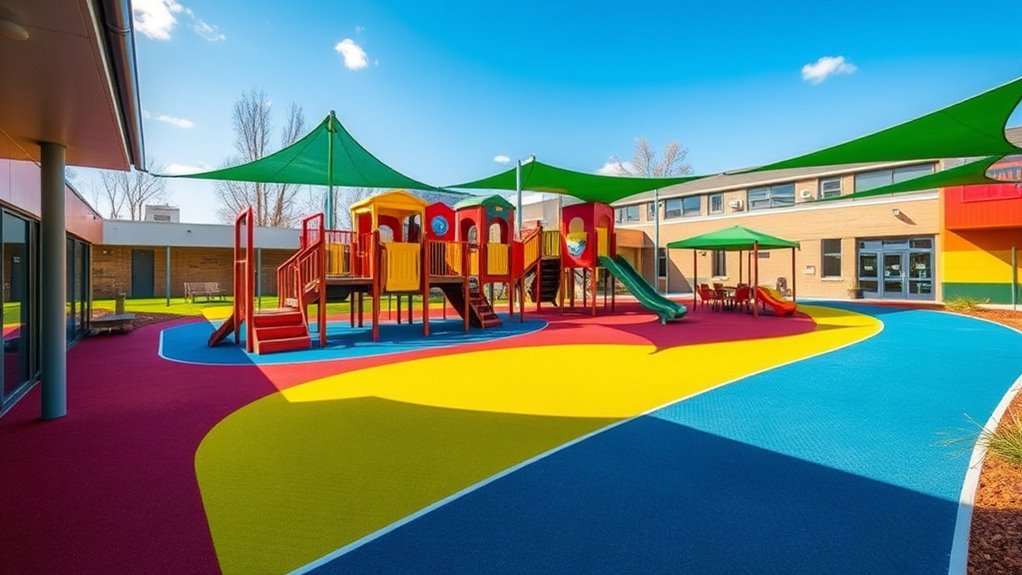
You’ve got a clear path from building ownership to action: here’s an 8-step blueprint to redesign your school playground efficiently and durably. You’ll follow a practical sequence that respects design ethics and utilize color psychology to cultivate belonging and calm. Each step is actionable, cost-aware, and community-centered.
- Define needs and constraints with input from students, staff, and families.
- Audit safety, accessibility, and surface materials before budgeting.
- Design zones, select durable, low-maintenance equipment, and test color palettes for mood and wayfinding.
- Develop a phased timeline, secure approvals, and set measurable success metrics.
- Involve vendors who resonate with your ethics, and pilot with a small area first.
-Review outcomes, celebrate progress, and iterate for lasting impact.
Frequently Asked Questions
How Was Student Voice Prioritized Beyond the Co-Design Phase?
You ensure student empowerment continues by establishing ongoing feedback loops, giving you regular check-ins, and inviting voices in maintenance decisions; you empower peers to mentor others, adapt spaces, and celebrate improvements, reinforcing belonging while you refine play areas.
What Funding Gaps Emerged During Procurement and How Were They Managed?
Funding gaps emerged during procurement management, mainly for play-safe surfaces and inclusive facilities. You tighten budgeting, reallocate reserves, and negotiate vendor terms, ensuring contingency funds cover sudden costs, whereas communicating transparently with stakeholders to preserve trust and shared purpose.
How Are Ongoing Safety Audits Conducted Without Disrupting Lessons?
Aiming to keep 92% of lessons uninterrupted, you conduct ongoing safety audits after class and during breaks, using checklists and quick walk-throughs. You emphasize disruption minimization and transparent fixes, inviting staff to participate and learn together.
Were There Any Unintended Benefits to Mental Health Observed?
There were unintended benefits to mental health: you’ll notice calmer classrooms, reduced anxiety, and better peer interactions. You feel more included during play, so mood lifts, resilience grows, and you’re motivated to participate more consistently throughout the day.
How Can Other Schools Measure Long-Term Social Impact?
You can track long term impact by using measurement frameworks that blend surveys, observational rubrics, and social networks. You’ll collect baseline and annual data, compare cohorts, share findings transparently, and adjust practices to strengthen belonging across your school.