
When choosing between imported and Indian-made play equipment for your school, start with a data-driven safety profile. Compare safety testing, load and fall-zone analyses, and certifications (ASTM/EN or regional equivalents) for each option, and weigh total cost of ownership, including upfront price, shipping, duties, maintenance, and replacement parts. Consider local compliance timelines and support networks, plus durability under school-use conditions. If you want a clearer decision framework, you’ll see how the pieces fit together as you continue.
Imported Vs Indian-Made Playgrounds: What to Decide First
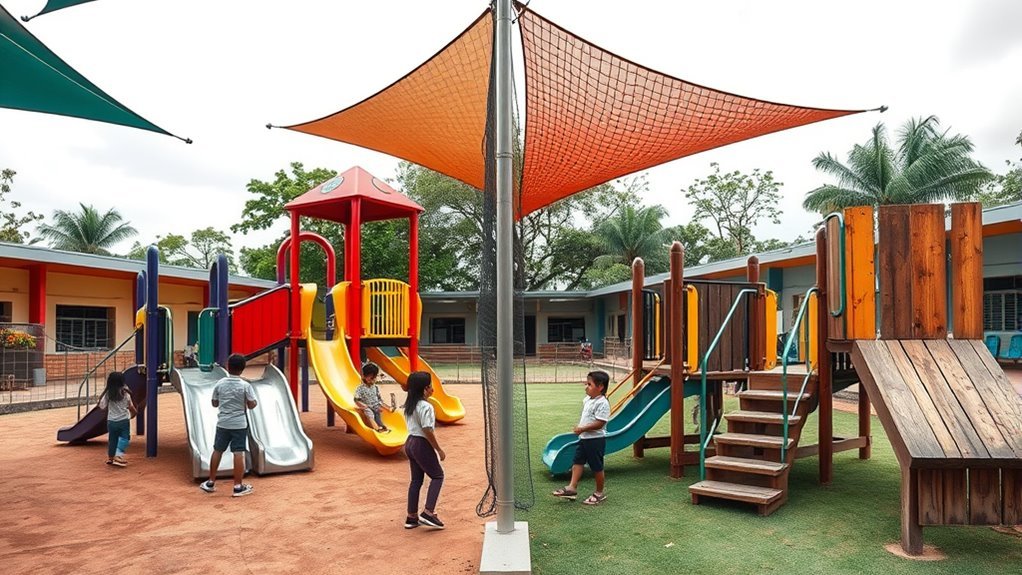
When deciding between imported and Indian-made playgrounds, start by evaluating standards compliance and safety certifications that matter to your school. You’ll compare lifecycle data, warranty terms, and supplier track records to identify concrete risks and reliability. Imported considerations include long-term serviceability, spare-part availability, and batch testing results, while Indian-made comparisons emphasize local procurement efficiency, local regulatory alignment, and faster warranty responses. Prioritize certifications such as bite-resistant coatings, impact-absorbing surface compliance, and tamper-resistant fasteners. Analyze total cost of ownership with maintenance frequency, repair turnaround, and availability of qualified technicians. Your decision should reflect a strong safety posture, verifiable performance metrics, and a sense of belonging—knowing your community supports trustworthy partners and responsible manufacturing.
How Safety Standards Differ Between Imported and Domestic Gear
The safety standards you need to know differ between imported and domestic gear in concrete, measurable ways. You’ll see variances in safety testing rigor, material composition disclosures, and compliance timelines that impact daily use and long-term reliability. Domestic gear often aligns with local regulations and standardized certifications, providing clearer accountability for your school. Imported equipment may rely on international norms, requiring you to verify that third-party certifications match your jurisdiction’s expectations. Both paths demand documented safety testing results, load and fall-zone analyses, and detailed user instructions. In either case, insist on traceable certifications, test reports, and post-sale support that confirm ongoing compliance. Choosing gear with transparent safety testing data helps foster belonging and confidence across students, staff, and families.
What Total Cost of Ownership Includes for Schools
What does total cost of ownership include for schools? You’ll assess upfront price, installation, and delivery, then factor in ongoing costs like maintenance, parts, and energy use. A rigorous cost analysis looks beyond sticker price to long-term value, safety compliance, and usable life. Maintenance schedule is crucial: scheduled inspections, protective surface recertification, and timely replacements minimize risk and downtime. Training for staff on proper use and vandal-resistance can reduce wear and emergency repairs. Consider warranty terms, service response times, and accessibility of replacement parts, which influence downtime and upkeep costs. Disposal or end-of-life planning affects totals too, including recycling credits or salvage value. When you compare options, weigh safety with durability and service commitments to secure predictable, accountable budgeting for your school community.
Which Materials Withstand a School Setting Longest
Materials that stand up to heavy school use are defined by durability, safety, and maintenance profiles. In evaluating options, you’ll compare material durability across core components—frames, panels, fasteners, and coatings—to ensure predictable performance year after year. Look for finishes with proven weather resistance, where sunlight, moisture, and temperature shifts won’t degrade structural integrity or tint play surfaces. Data-driven benchmarks, like load ratings, slip resistance, and corrosion resistance, help you forecast lifecycle costs and maintenance intervals. Safety standards guide selection, including edge radii, entrapment controls, and non-toxic coatings. By aligning products with durable, weather-resistant profiles, you create a cohesive system that fosters belonging through reliable play experiences and consistent upkeep schedules for staff.
Which Local Regulations Affect Playground Purchases
You’ll want to map local safety standards, certification requirements, and procurement rules before you shortlist equipment. The data show how compliance timelines and testing outcomes affect overall risk and total cost of ownership. Aligning purchases with these regulations helps ensure consistent safety and smoother approvals across your school.
Local Safety Standards
Local safety standards set the baseline for playground purchases, ensuring any imported or India-made equipment meets minimum regulatory requirements before it’s even considered for your school’s site. You’ll assess local sourcing options and vendor reliability to minimize risk and align with community expectations. Data shows compliance gaps often trigger project delays and cost overruns, so map standards to your equipment specs early. Look for clear documentation on ASTM, EN, or regional equivalents, plus playground surface and fall-height criteria relevant to your locale. Prioritize vendors with transparent safety testing and post-sale support, who can provide installation guidance and maintenance plans. A thorough standards-aware approach helps you build trust with families, staff, and students, reinforcing a shared commitment to safe, inclusive play spaces.
Certification Requirements
Certification requirements tie directly to the safety and reliability standards you’ve already vetted, shaping what you can purchase and from whom. You’ll navigate national and local codes, certifications, and testing reports before any order confirms. Look for documented compliance marks, third-party testing, and clear traceability for components and manufacturing origins. Imported safety considerations may require additional labeling, environmental testing, and seam and fastener standards, while domestic durability often hinges on consistent material quality and warranty scopes. Your purchasing team should map each supplier’s certification portfolio to your school’s risk profile, budget, and maintenance plan. Align decisions with documented evidence, request recent test results, and verify updates after regulatory changes. This disciplined approach supports safe, predictable deployments and community trust.
Procurement Compliance Rules
What local regulations shape playground purchases, and how do they impact your procurement process? You’ll navigate safety, accessibility, and environmental standards that govern equipment, installation, and maintenance schedules. Compliance reduces risk, protects students, and aligns with budget cycles. Consider imported considerations and domestic availability as you evaluate supply chains, warranty terms, and post-purchase support. Data shows adherence to standards correlates with lower incident rates and longer lifespans for play structures. Documented checks at procurement stage streamline audits and foster trust with families and staff. Below is a quick visual guide to align vendors, tests, and timelines.
| Category | Requirement | Timing |
|---|---|---|
| Safety | ANSI/ASTM compliance | Pre-purchase |
| Accessibility | ADA/§504 readiness | Procurement |
| Documentation | Certifications, warranties | Post-purchase |
How Your Choice Impacts the Local Economy and Procurement Goals
Choosing between imported and Indian-made play equipment can directly affect your school’s procurement goals and the regional economy. You’ll see measurable shifts in local procurement, supplier diversity, and long-term cost stability when you prioritize Indian-made options. Data indicates reduced lead times, stronger after-sales support, and easier compliance with national safety standards when sourcing locally. By supporting regional manufacturers, you help sustain jobs, stimulate smaller supplier networks, and strengthen the local ecosystem that directly serves schools like yours. This approach aligns with safe procurement practices, traceable supply chains, and transparent vendor vetting. You’ll also benefit from standardized quality audits and clearer accountability, fostering a sense of belonging within your community and ensuring students play in environments built for reliability and safety.
Planning Space, Installation Needs, and Timelines
Planning space, installation needs, and timelines require a data-driven approach to guarantee safety, compliance, and school readiness. You’ll map classroom and playground footprints against equipment dimensions, ensuring circulation space, fall zones, and sightlines meet local safety standards. Assess installation needs: site preparation, anchoring requirements, electrical and drainage considerations, and access for delivery and maintenance crews. Create realistic timelines by correlating lead time and availability with procurement compliance rules and approval cycles, so purchases harmonize with school calendars. Verify certification requirements and testing results to support safety audits. Build in buffers for weather, inspections, and staff training. Document warranties and after-sales support expectations without overpromising, so your planning nurtures belonging, transparency, and confident adoption among students, staff, and families.
What Warranties and After-Sales Support to Expect
Warranties and after-sales support should give you concrete protection and predictable maintenance as part of your procurement risk management. You’ll want clear coverage terms, defined response times, and documented liability. Look for standard-compliant warranties that align with safety certifications and life-cycle expectations, plus an accessible process for warranty claims. After sales service should include preventative maintenance guidance, parts availability, and trained technicians who understand playground standards. Data-driven metrics—uptime, mean time to repair, and replacement part lead times—help you compare offers. Choose a provider that communicates in plain language and values your school community.
| Aspect | Benefit |
|---|---|
| Warranty terms | Clarity and enforceability |
| Service response | Minimal downtime and safety continuity |
When to Import Vs Buy Indian-Made: Decision Criteria
When you decide between importing and buying Indian-made play equipment, start by weighing cost and budgeting against long-term total cost of ownership. Consider quality and safety standards as non-negotiables, since components and testing impact risk and compliance. Then ensure lead time and availability with your school calendar to ensure timely deployment without compromising safety or standards.
Cost And Budgeting
The cost decision hinges on a clear comparison of total ownership, not just upfront price: import costs, freight, duties, and lead times versus locally manufactured options, warranty terms, maintenance, and after-sales support. You’ll assess cost savings across lifecycle, balancing upfront spend with long-term reliability and safety compliance, while considering vendor reliability and response times. Data shows Indian-made equipment often delivers faster service, easier parts access, and predictable budgeting, reducing downtime. Import items may offer lower sticker prices but higher total ownership due to import taxes and longer lead times. Choose a path that congruent with safety standards, school routines, and staff familiarity.
- Total ownership comparison (upfront vs. ongoing costs)
- Warranty terms and after-sales support
- Lead times and logistics impact
- Vendor reliability and service responsiveness
Quality And Standards
Quality and standards should drive the import-versus-Indian-made decision, not just price or convenience; you’ll compare how each option meets national safety codes, playground standards, and testing requirements, plus the consistency of production quality across batches. You’ll see that imported equipment often comes with rigorous third-party certifications, while Indian-made products may offer tighter local compliance timelines and easier post-sale service. Assess long-term durability, warranty terms, and material specs to understand quality comparisons in real terms. Consider batch-to-batch consistency, which affects ongoing safety and maintenance. Be mindful of consumer biases that can skew perception; rely on verifiable data, independent test results, and transparent QC procedures. In the end, choose options that demonstrate verifiable safety, reliability, and alignment with your school’s safety culture.
Lead Time And Availability
What timeline matters most when planning play equipment for a school — imports or Indian-made? Your procurement plan hinges on lead time, availability, and logistics. Import timelines can be longer due to manufacturing queues, customs, and freight, while Indian-made stock often offers quicker fulfillment and easier on-site coordination. Compare reliability, seasonal demand, and maintenance lead times to keep recess safe and compliant. Use data on supplier capacity, certification status, and delivery windows to choose confidently. Align orders with school calendars, budget cycles, and installation crews to reduce disruption and risk.
- Lead time: imports vs. domestic production
- Availability: stock levels, backorders, peak-season risk
- Logistics: shipping, customs, on-site delivery
- Procurement: supplier reliability, standards, timing alignment
A Practical Framework to Make the Final Call
When weighing imported versus Indian-made play equipment, a practical framework starts with clear criteria: safety compliance, durability, total cost of ownership, and alignment with your school’s risk management standards. You’ll compare documented Safety standards, product certifications, and field performance data to build a transparent scorecard. Factor installation ease, maintenance cadence, and spare-parts availability to project downtime and long-term reliability. Weight total cost of ownership against lifecycle benefits, including warranty terms and service responsiveness. Engage stakeholders—teachers, facilities staff, and safety officers—to validate assumptions and ensure buy-in. Document decisions in a concise rationale that supports budgeting cycles and parent trust. This framework helps you choose with confidence, reinforcing a culture of safety, compliance, and belonging in your school community. Imported vs Indian made decisions align with rigorous Safety standards.
Frequently Asked Questions
How Do Import Duties Affect Overall Playground Pricing?
Import duties impact pricing by adding a taxable layer to the bill, often pushing total costs higher than domestic options. You’ll notice customization lead times differences: imported gear may require longer wait times for parts and approvals, while Indian-made ones can streamline delivery. For your school, this data-driven view supports safer choices in line with standards and budget, helping you feel supported and included in a decision that prioritizes children’s safety and consistent play experiences.
Can Indian-Made Gear Meet International Safety Certifications?
Yes, Indian-made safety can meet international certifications. You’ll find gear designed to rigorous standards, with tests that back up claims, so your playground feels trustworthy to families and inspectors alike. When you choose Indian-made safety, you’re not settling—you’re aligning with global expectations. Data shows compliant products perform reliably, reducing risk. You’ll build belonging through transparent certs, clear documentation, and consistent testing, proving your school’s commitment to safe, inclusive play for every student.
What Are Lead Times for Custom Playground Designs?
Lead times for custom playground designs vary by scope but typically range from 6 to 12 weeks, with potential extensions for complex or oversized configurations. You’ll benefit from detailed design reviews, 3D proofs, and iterative safety checks during custom fabrication. Prioritize clear milestones, material certifications, and QA sign-offs to reduce delays. By planning collaboratively, you ensure compliance with standards while fostering a sense of belonging for students and staff who rely on safe, well-constructed spaces.
Do Imported Products Offer Better Warranty Terms?
Imported warranty terms aren’t inherently better; they often hinge on regional support and provider policies. You’ll likely find longer coverage on certain components, but limited on local service. When you prioritize safety, look for standardized tests, timely spare parts, and clear claim processes. Choose imported products with sturdy regional support to minimize downtime. If you value belonging, harmonize with a vendor that shares your safety-first standards and offers responsive, data-driven warranty handling.
How Does Maintenance Frequency Differ by Origin?
Due to origin, maintenance cadence generally differs: Indian-made gear often shows slightly faster upkeep cycles because of simpler components, while imported equipment may require longer intervals but higher-cost parts. You’ll want to plan around consistent checks, lubrication schedules, and surface inspections. Expect higher upkeep costs upfront for imports, yet steadier long-term reliability. Prioritize safety standards, document every service, and base procurement on data about mean time between failures to optimize maintenance cadence for your school community.