
All-weather play equipment is essential in Karnataka because it delivers year‑round usability, safer surfaces, and shade‑rich, cool spaces that invite inclusive play despite heat, monsoons, and humidity. You’ll gain durable materials, UV-stable coatings, fast-drying metals, and modular layouts that handle rain and sun. With proactive maintenance, clear drainage, and colorful, glossy surfaces, you build trust and regular use. If you keep exploring, you’ll uncover practical steps to implement climate‑resilient playgrounds everywhere.
Why Karnataka Needs All-Weather Play Equipment
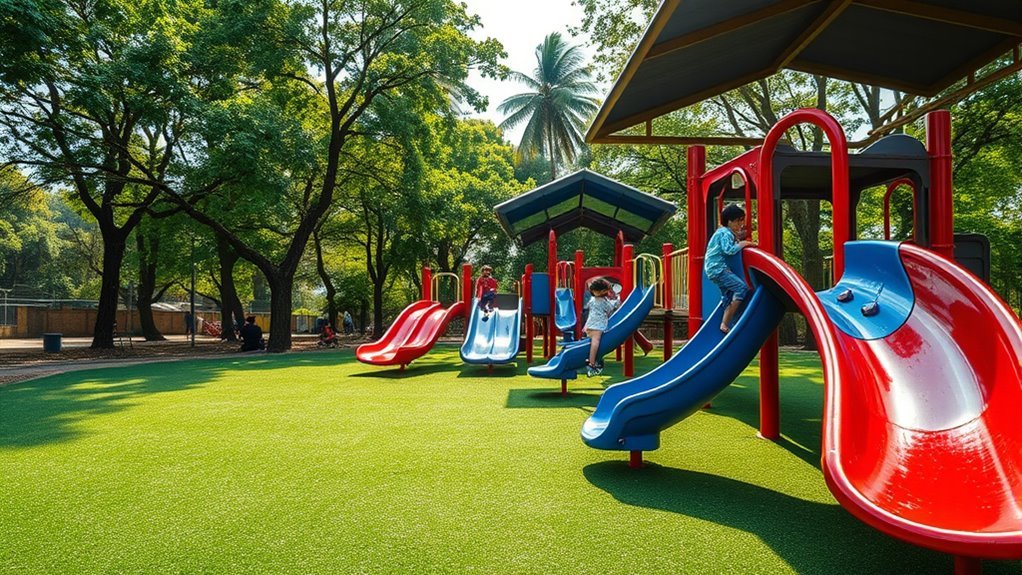
In Karnataka’s climate, playgrounds must perform year-round, not just during dry seasons, so all-weather play equipment is a practical necessity. You’re invited to see how this choice supports inclusive, shared spaces where families feel valued and part of a community. With creative budgeting, you align needs with resources, prioritizing durable materials, weatherproof coatings, and modular design that grows with you. Glossy aesthetics aren’t flashy showpieces; they signal care and quality, boosting user trust and routine use. Practical planning means detailing maintenance cycles, grip-friendly surfaces, and shade options that reduce heat. You’ll collaborate with neighbors, schools, and councils to pin down standards, timelines, and responsibilities—everyone contributing to safer, welcoming play. This approach reinforces belonging while delivering reliable, all-season benefits.
What Makes Surfaces Work in Rain and Humidity
In rain and humidity, surface traction matters most—grip with wet shoes, not just dry performance. We’ll look at how humidity affects traction, how drainage speed influences playability, and how drying time determines reuse so you can plan safer, longer-lasting surfaces. Let’s map practical steps to test, compare materials, and optimize maintenance for Karnataka’s climate.
Surface Traction in Rain
Surface traction in rain hinges on how water and humidity interact with the play surface, footwear, and footwear grip patterns. You’ll test textures, slopes, and drainage with teammates, noting where water pools and where grip remains firm. For optimal surface traction, choose materials that shed water quickly and maintain texture under moisture, avoiding slick coatings. Footwear should feature tread patterns designed for wet conditions, with midsole support that reduces ankle wobble on rain-softened surfaces. Establish a shared protocol: inspect daily, identify high-risk zones, and map them for maintenance. Real-time communication matters—call out slippery spots, adjust play limits, and implement temporary mat or brush placements as needed. With collaboration, you preserve rain grip, safety, and inclusive play for everyone.
Humidity Impact on Play
Humidity can quietly change how surfaces behave, so you’ve got to plan for mist, dew, and muggy air just as you would for rain. In practice, you’ll notice grip shifts, slick patches, and slower drainage when humidity climbs. Focus on humidity management by selecting surface materials with consistent friction in moist conditions, and keep joints sealed to prevent moisture intrusion that can soften footings. Coordinate with maintenance to monitor dew cycles and adjust play times around dawn and evening when air is calmer. Communicate with your community to share expectations during monsoon timing, so families feel informed and included. By testing in real humidity, you’ll shore up safety and foster a sense of belonging through reliable, all-weather play.
Drainage and Drying Time
When rain comes, quick drainage isn’t enough—you need reliable drying to keep play safe. You’ll assess drainage design across courts and playgrounds, ensuring water moves quickly away from surfaces without pooling. Combine sloped grading with permeable substrates to channel moisture to safe outlets, while avoiding soft spots that invite slips. In humidity, drying technology becomes your ally: integrated heat and airflow systems, plus reflective finishes that accelerate evaporation on sunny days. Test after heavy showers, documenting times to reach safe play levels so families feel confident returning quickly. Collaborate with maintenance crews to schedule routine checks, cleaning debris that blocks drains, and updating components as weather patterns shift. Clear signage and shared responsibilities foster belonging, so everyone supports reliable, year-round play.
How to Keep Play Areas Cool and Safe
To keep play areas cool and safe in Karnataka’s climate, start with thoughtful shading, ventilation, and material choices that reduce heat buildup and guard against direct sun exposure. You’ll combine canopies, shade sails, and tree canopies with breathable, shade-enhancing layouts to minimize hot surfaces. Choose cool-touch materials, light colors, and low-maintenance paints to curb radiant heat. Ensure ample airflow by spacing equipment and adding vents or ceiling fans where feasible. Regular cleaning prevents slick, slippery surfaces after sprinkles. Plan for safe routes with non-slip, shaded paths and defined play zones. Consider play area aesthetics when coordinating colors and textures to foster belonging while meeting budget constraints. Collaborate with families to select durable, affordable options that stay comfortable and inviting for all.
Durable Designs That Withstand Monsoon Wear and Heat
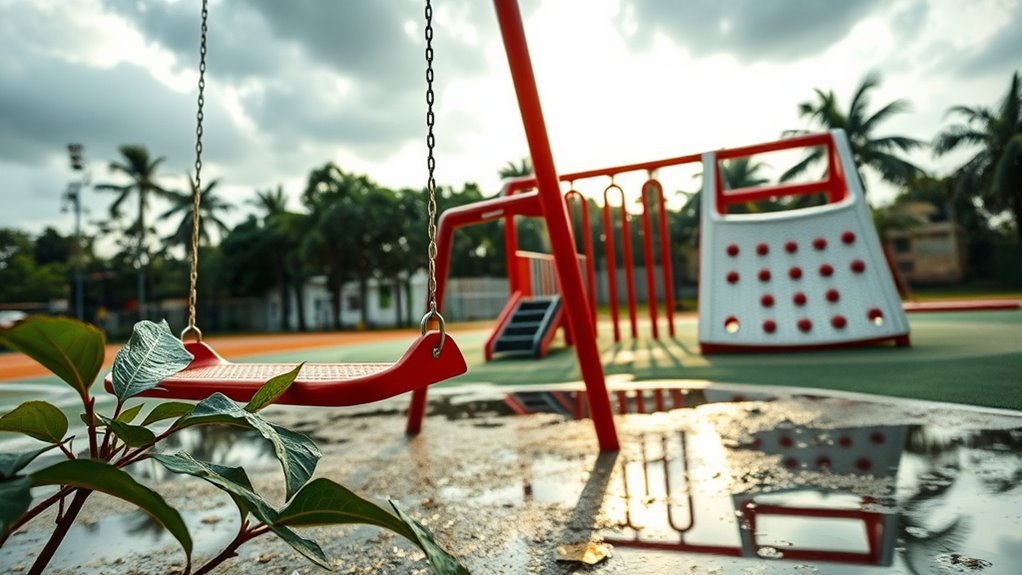
You’ll want gear that’s both monsoon-ready and heat-tolerant, so choose materials that resist moisture while staying stable in high temps. Consider fast-drying, corrosion-resistant metals and UV-stable plastics that won’t warp or fade after heavy rain or long sunny spells. Let’s compare options for monsoon-resistant materials and heat-tolerant construction to keep play spaces safe and durable year-round.
Monsoon-Resistant Materials
Monsoon-resistant materials are built to outlast Karnataka’s rainy seasons by combining water resistance, UV stability, and wind-shear durability with low maintenance. You’ll choose fabrics and composites that shed water quickly, resist mold, and dry fast, ensuring playground surfaces stay safe. Look for UV-treated finishes and colorfast pigments that minimize heat buildup and fading, while substrates tolerate high humidity without cracking. When you plan, consider how monsoon resilience blends with the layout: shaded zones, slip-resistant textures, and sealed joints that prevent seepage. In our collaborative approach, you’ll test material samples on-site, note humidity navigation needs, and adjust fasteners to avoid corrosion. The result is resilient, inviting equipment that supports lasting community use, even in heavy downpours and humid days.
Heat-Tolerant Construction
Could heat and rain ever cooperate in a playground design? You’ll focus on heat-tolerant construction that keeps play equipment safe and inviting year-round. Prioritize materials with high thermal mass and low heat emission, plus reflective coatings to reduce surface temperatures. Seal joints tightly to prevent water intrusion while allowing drainage, so monsoon wear doesn’t compromise safety. Choose coatings and fasteners that resist UV damage and corrosion, sustaining climate resilience. Design shading options near high-traffic zones, so kids stay comfortable during scorching afternoons. Ensure accessible maintenance paths let you inspect under benches, rails, and posts without disrupting activity. Collaborate with builders to verify load ratings, slip resistance, and color choices that stay legible and friendly over time.
- Durable materials that stay cool and safe
- Seamless drainage and weatherproof seals
- UV-resistant, corrosion-proof finishes
- Visible, welcoming color palettes
- Routine, inclusive maintenance checks
Realistic Maintenance Savings for Schools and Parks
Realistic maintenance savings for schools and parks come from choosing durable, low-wont-maintain equipment and adopting a practical upkeep plan that fits Karnataka’s climate. You’ll see fewer repairs when components resist sun and monsoon wear, and behavior-supported routines cut downtime. Schedule regular inspections, simple cleaning, and proactive sealant refreshes to extend lifespan without surprises. Choose color made surfaces that hide minor scuffs and require less repainting, so aesthetics stay lively with minimal effort. Budget friendly maintenance isn’t about cheap tricks; it’s about predictable costs, cooperative planning, and shared routines among staff, caretakers, and vendors. Document maintenance cycles, track expenses, and adjust based on seasonal usage. By collaborating, you protect play value, safety, and inclusivity for every student and park visitor.
Health and Safety Benefits for Karnataka Kids
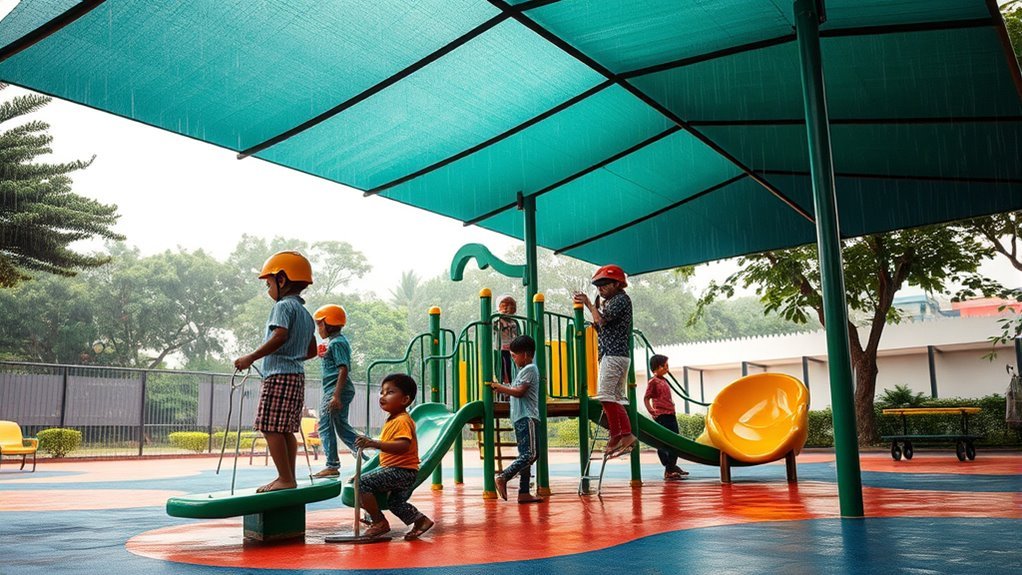
Have you ever considered how all-weather play equipment directly protects Karnataka kids’ health and safety? Our approach focuses on consistent use, safer surfaces, and reliable shade that reduce heat stress, slips, and injuries. By choosing durable materials, you minimize exposure to broken parts and sharp edges, supporting healthier routines that kids can trust every day. You’ll see nutrition benefits when active play pairs with healthy snacks and hydration, boosting energy for learning. Enhanced visibility and age-appropriate design also support cognitive development by encouraging problem solving and teamwork in a supervised setting.
- Safer surfaces and reliable shade reduce heat-related risk and injuries
- Consistent access keeps kids active, improving stamina and mood
- Organized, supervised play fosters trust and belonging
- Clear routines support nutrition benefits and hydration habits
- Inclusive design promotes cognitive development through collaboration
How to Choose Climate-Appropriate Features for Karnataka
Choosing climate-appropriate features for Karnataka means prioritizing materials and designs that stay safe and usable through heat, monsoons, and humidity. You’ll select textures, coatings, and fasteners that resist corrosion, glare, and mold, while keeping maintenance simple. Focus on modular layouts that adapt to seasonal rain and sun, with shade and drainage built in. Consider budget constraints upfront, balancing durability with upfront cost and long-term savings. Prioritize playground aesthetics that invite inclusion—color, form, and sightlines that feel welcoming. Work with users, caretakers, and installers to test accessibility and airflow. For reference, the table below highlights key choices at a glance, tailored to climate and care needs.
| Material/Feature | Climate Benefit | Practical Tip |
|---|---|---|
| UV-stable plastics | Heat resistance | Check for minimum 5-year color warranty |
| Powder-coated steel | Corrosion resistance | Choose RAL colors with glare-reducing tones |
| Shade sails | Cooling, UV protection | Install with adjustable tension |
| Rubberized surfacing | Moisture resistance | Confirm proper drainage channels |
| Fasteners with seals | Mold prevention | Regularly inspect seals for wear |
Karnataka Case Studies: Clubs and Schools Using All-Weather Play
Across Karnataka, clubs and schools are turning the principles of all-weather play into tangible, everyday benefits by selecting equipment and layouts that stand up to heat, heavy rains, and humidity. You’ll see flexible spaces, durable surfaces, and shaded zones that invite inclusive participation, from toddlers to teens, without weather-disruptions. Case studies show strong collaboration between administrators, coaches, and parents, aligning budgets with long-term reliability and safety. You’ll notice streamlined maintenance routines that reduce downtime and extend asset life, while community volunteers contribute to upkeep and programming. unrelated topic, off topic ideas, aside from the core goals, sometimes spark creative use of spaces that boosts belonging and motivation.
- Durable, all-weather surfaces that invite steady play
- Shaded, accessible layouts for any schedule
- Quick-clean routines that minimize disruption
- Inclusive programs that welcome diverse ages and abilities
- Community-ownership and ongoing collaboration
A Practical Roadmap to Implement Climate-Resilient Playgrounds
What steps should you take to move from planning to action on climate-resilient playgrounds, and how can your team stay aligned along the way? Begin with a concise charter that defines goals, success metrics, and roles. Map a 12–16 week rollout, breaking tasks into discovery, design, pilot, and scale, with clearly assigned owners and deadlines. Establish data privacy safeguards from the outset, so communities trust how analytics and visitor data are collected and used. Create a collaborative governance rhythm: weekly check-ins, shared dashboards, and transparent risk logs. Align marketing strategy with community needs, highlighting inclusive access and climate resilience. Document decisions, iterate based on pilot feedback, and celebrate small wins to foster belonging. End with a practical, cost-aware implementation plan that keeps momentum intact.
Frequently Asked Questions
How Long Do All-Weather Playgrounds Last in Karnataka’s Climate?
Playground durability depends on use, upkeep, and materials, you’ll typically see 10–15 years in Karnataka’s climate. Start with quality, resilient components, then schedule proactive maintenance regularly. You’ll extend life with timely maintenance scheduling, weatherproof coatings, and rust protection. You’ll want to inspect annually, reseal surfaces as needed, and promptly replace worn components. By collaborating with caretakers and users, you’ll ensure consistent safety, strong community pride, and lasting enjoyment for every kid.
Do All-Weather Surfaces Get Slippery in Monsoon Rain?
Yes, they can become slippery during monsoon rain. To stay safe, you check for slippery surfaces and slow down, especially on slopes and metal steps. Use non-slip mats or coatings where possible, and keep drainage clear to avoid pooling. Share maintenance notes with your team, implement quick drying routines after showers, and post clear warnings. Together you’ll guarantee monsoon safety, promoting confidence and belonging for everyone using the playground.
What Funding Options Exist for Climate-Resilient Playgrounds?
You should explore funding models and grant eligibility for climate-resilient playgrounds. You’ll find local government grants, corporate sponsorships, and NGO-backed programs tailored to public spaces. Prepare a compelling case showing community impact, maintenance plans, and safety standards to improve grant eligibility. Collaborate with schools and residents to strengthen support, demonstrate shared ownership, and ensure inclusive design. Don’t overlook seed funds for pilot projects; partnerships can unlock multi-year funding and sustainable, belonging-focused outcomes.
Are Maintenance Intervals Different for Monsoon vs. Dry Seasons?
Did you know playgrounds with seasonal checks reduce repairs by 30%? Yes—maintenance intervals differ: monsoon demands more frequent checks, whereas dry seasons allow longer gaps. You should plan maintenance scheduling around heavy rainfall and wind events, then finish with a seasonal inspection after each monsoon. Work with your team, share findings, and adjust timelines so everyone feels included. Together you’ll keep equipment safe, durable, and welcoming for all kids.
How Do Kids With Disabilities Access All-Weather Playgrounds?
You can access all-weather playgrounds if they use inclusive design and disability access features like wide paths, surfaced routes, reachable controls, and seating. You’ll find transfer-friendly equipment, sensory-friendly zones, and clear signage with braille or high-contrast visuals. Ensure paths are smooth, shade is available, and staff are trained to assist. Work with designers and your community to test layouts, share feedback, and create spaces where everyone belongs and plays together.