
Interactive Play Panels turn your school playground into a hands-on STEM lab, letting students test ideas, manipulate variables, and see real-time outcomes that reinforce classroom concepts. They support measurable learning goals, real-world data collection, and collaboration, while staying durable and easy to integrate. Plan safety, inclusivity, and modular kits, then run short trials to build confidence and ownership. Regular milestones and community involvement sustain momentum. If you keep exploring, you’ll uncover practical steps to implement them successfully.
Why Interactive Play Panels Boost STEM Learning
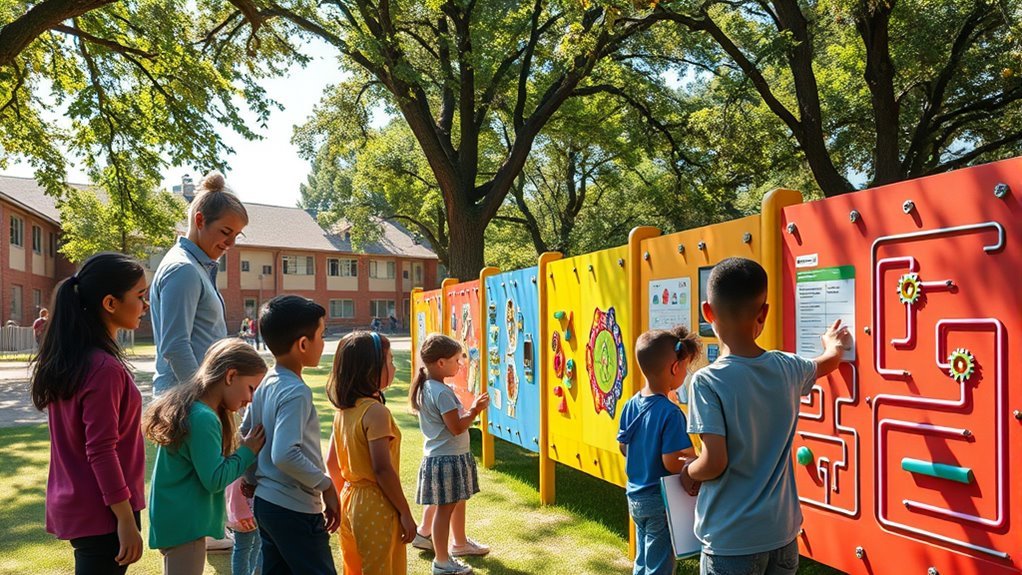
Interactive Play Panels turn the playground into a hands-on STEM lab, making core concepts tangible through tactile, game-like activities. You’ll see curiosity turn to collaboration as students test ideas, compare results, and refine hypotheses in real time. These experiences fuse physical manipulation with guided inquiry, reinforcing, not replacing, classroom learning. When you use interactive panels, you support concrete understanding of physics, math, and problem-solving, because learners manipulate variables and observe outcomes directly. This kind of hands-on practice strengthens retention and transfer to real-world tasks. The result is greater engagement, a sense of belonging, and confidence that STEM is accessible to everyone. By prioritizing STEM integration in playful contexts, you nurture learners who feel supported and capable.
Choose Interactive Play Panels for Your STEM Goals
Choosing the right interactive play panels starts with encouraging features to your STEM goals. You’ll want panels that support measurable learning outcomes, durable construction, and easy integration with existing classroom concepts. Start by mapping your goals—coding, circuitry, data collection, or teamwork—and then compare panels that explicitly address those areas. Look for maker education potential: open-ended activities, modular kits, and compatibility with simple tools that students can configure themselves. Prioritize clear, real-time feedback, multilingual prompts, and accessible controls so everyone feels capable contributing. Consider classroom management, safety, and teacher support resources that reduce setup time. Finally, seek reviews or case studies from schools with similar needs to confirm impact. By choosing thoughtfully, you nurture belonging while advancing rigorous, evidence-based STEM learning.
Design Hands-On Challenges With Play Panels
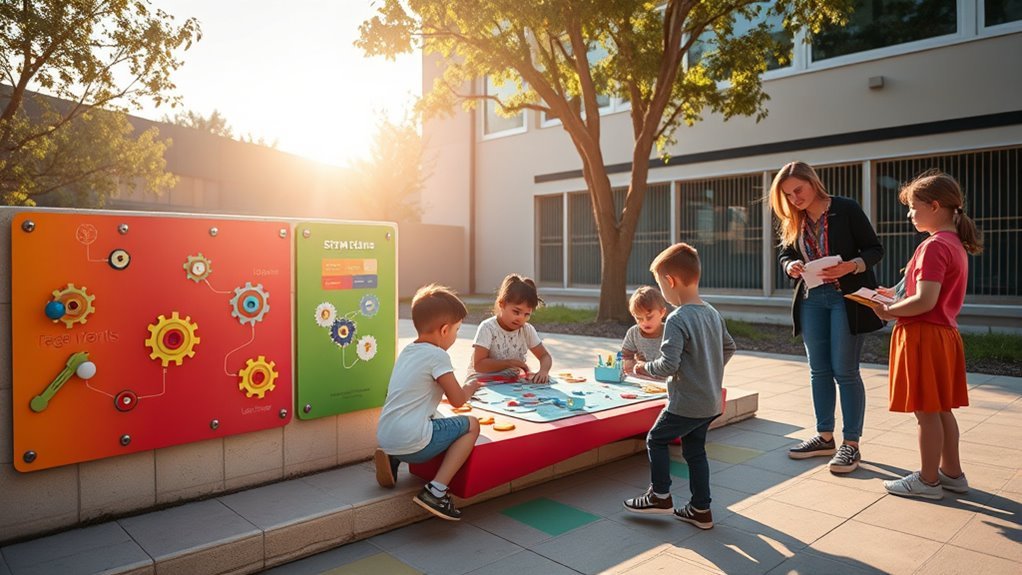
How can you turn play panels into potent, bite-sized design challenges that reinforce core STEM ideas? You can structure tasks that mirror real engineering problems, guiding students to iterate quickly while staying inclusive and supported. Use these steps:
1) Define design constraints to frame the challenge, clarifying goals, limits, and success criteria.
2) Plan materials sourcing by choosing accessible, safe components and recording discoveries for later reflection.
3) Run short trials that encourage collaboration, data tracking, and explanations of reasoning.
Design panels become engines for inquiry when challenges are clearly scoped, ethically sourced, and openly discussed. Students own the process, feel seen, and build confidence through shared problem solving. The approach is practical, evidence-based, and scalable for diverse playground contexts.
Integrate Play Panels Into Curriculum Safely and Effectively
Integrating play panels into your curriculum safely and effectively starts with clear safety and learning goals that converge with standards and student needs. You’ll map activities to science, math, and engineering standards while prioritizing accessible formats. Use scalable safety practices—begin with risk assessments, supervision plans, and age-appropriate challenges that adapt as abilities grow. Design inclusive design by offering multiple entry points, visual supports, and collaborative roles so every learner can participate meaningfully. Plan short, focused tasks that weave inquiry, data collection, and reflection, then connect results to unit objectives. Communicate expectations clearly to families and staff, and model respectful, persevering collaboration. Regularly review outcomes, adjust, and celebrate progress, reinforcing belonging and confidence in every learner’s STEM odyssey.
Assess Impact and Showcase Success
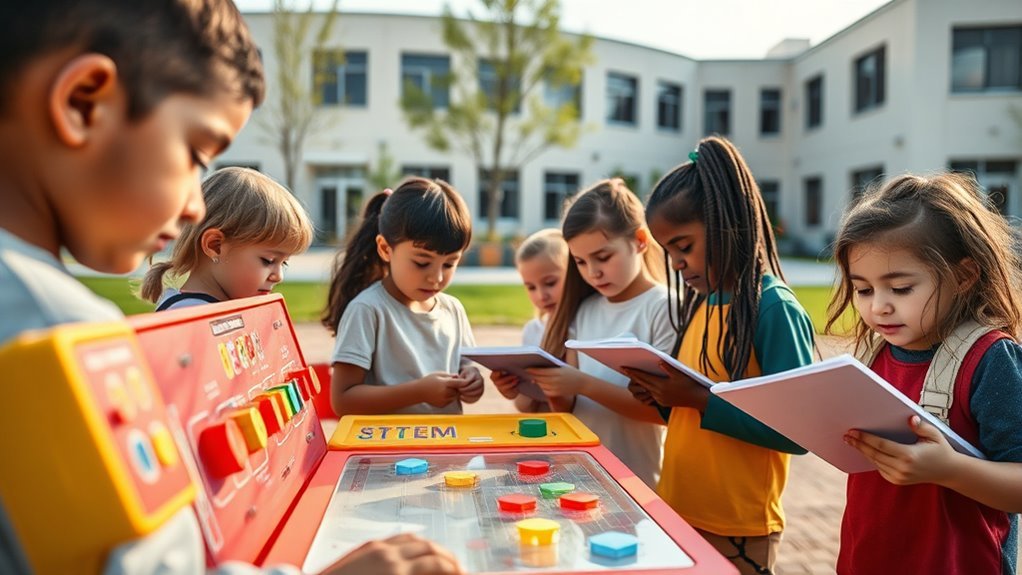
Evaluating impact and showcasing success follows safely and effectively integrating play panels by turning learning into measurable outcomes. You’ll track how students engage, interpret, and apply scientific thinking during play, using clear impact metrics and success metrics. This evidence-based approach helps you refine practice and celebrate progress with the whole school community.
- Define impact metrics that reflect curiosity, problem solving, and collaboration during playground activities.
- Collect success metrics tied to specific learning objectives, like experimental design, data interpretation, and persistence.
- Share concise results with families and stakeholders to reinforce belonging and ongoing participation.
Budget, Maintenance, and Community Involvement for Longevity
To make your play panels sustainable, start with practical budget planning that covers initial costs, ongoing maintenance, and potential fundraising or grants. Establish a maintenance schedule that clarifies who is responsible, how often checks occur, and what actions trigger repairs. Build community involvement through parent, student, and local business partnerships to sustain usage, gather feedback, and share maintenance responsibilities.
Budget Planning Tips
What does it cost to keep interactive play panels effective over time, and how can schools stretch every dollar without sacrificing safety or learning? You’ll approach budgeting with clarity, focusing on budgeting considerations and a straightforward cost benefit analysis to guide decisions. By prioritizing durable materials, modular design, and local partnerships, you maximize ROI while minimizing ongoing risk. Use these steps:
1) Assess upfront costs vs. long-term maintenance for safety-compliant equipment.
2) Compare vendor warranties and service plans to actual repair needs.
3) Seek community sponsorships or grants that align with STEM learning goals.
This evidence-based approach ensures you invest where impact is greatest, keeps students engaged, and builds a shared sense of ownership. Budget planning becomes a collaborative, inclusive process that strengthens your school’s learning ecosystem.
Maintenance Scheduling Essentials
Proactive maintenance scheduling is indispensable for keeping interactive play panels safe, functional, and engaging, and it hinges on a clear cadence that blends budget realities with practical upkeep. You’ll establish a maintenance schedule that aligns routine inspections with seasonal checks, assigning responsibilities and timelines you can trust. This approach supports durability considerations, helping you anticipate wear, corrosion, and hinge stress before failures occur. Track components that influence safety, like fasteners and protective covers, and document findings to inform budgeting and procurement decisions. Prioritize preventive tasks—cleaning, lubrication, tightening—over costly repairs. Engage staff and caretakers in a shared routine, reinforcing belonging through collaborative care. Use simple metrics to review performance, adjust cadence, and extend the lifespan of your panels without sacrificing accessibility or learning value.
Community Involvement Strategies
Community involvement is fundamental for the long-term success of interactive play panels, and budget-friendly, practical engagement strategies keep maintenance on track while strengthening community ownership. You’ll build lasting impact by leaning on trusted partners and simple processes. Use these steps to steady participation and support:
- Identify and nurture community partnerships with local schools, libraries, and youth clubs to share resources and expertise.
- Launch targeted volunteer recruitment that highlights skills, time commitments, and clear roles, ensuring diverse, welcoming participation.
- Establish ongoing communication and recognition to sustain momentum, celebrate milestones, and keep volunteers engaged.
Together, these practices create shared ownership, reduce costs, and extend the playground’s STEM impact beyond today.
Frequently Asked Questions
How Do We Measure Long-Term Student Enthusiasm From Play Panels?
Answers long-term student enthusiasm by tracking sustained use, diverse interactions, and shown persistence over several months. You’ll measure long term engagement with login or observation logs, time-on-task, and repeated challenge attempts, plus qualitative notes on curiosity and collaboration. Use playful motivation surveys and teacher ratings quarterly. You’ll compare baseline vs. follow-up data, look for growth in problem-solving strategies, and ensure inclusive participation. This evidence-based approach builds belonging, guides improvements, and supports continued enthusiasm for STEM play panels.
Can Play Panels Be Used for Inclusive Accessibility Guidelines?
Yes, play panels can be used for inclusive accessibility guidelines. You should design them with universal design principles, adjustable interfaces, and multi-sensory feedback to support diverse learners. Follow policy guidelines that require clear labeling, wheelchair access, and safe, predictable interactions. You’ll also test with students of varying abilities to ensure usability and belonging. Document outcomes, share evidence, and iterate. This approach demonstrates inclusive accessibility in practice and strengthens your school’s policy framework.
What Maintenance Tasks Require School Staff or Contractors?
You should perform routine maintenance tasks like inspecting panels, tightening fasteners, lubricating moving parts, and checking for corrosion or wear. Establish maintenance scheduling and document findings, so you know when to re-inspect. If issues arise, engage a qualified contractor to handle repairs while ensuring contractor safety compliance. You’ll reduce downtime and feel confident in a safe, inclusive play environment that supports everyone’s learning and belonging. Keep records and review them regularly with staff.
How Do Panels Align With Local Safety and Liability Policies?
Panels align with local safety and liability policies by meeting proven safety standards, documenting safety compliance, and integrating maintenance planning with district guidelines. You’ll implement routine inspections, use authorized contractors when needed, and update liability policies as rules evolve. Involve stakeholders through outreach to parents, teachers, and insurers to ensure shared accountability. This evidence-based approach helps you foster belonging while reducing risk, and it clarifies expectations for ongoing safety and adherence to procedures.
What Are Best Practices for Parent and Community Engagement?
To boost parent involvement and build community partnerships, you invite families to co-design activities, share skills, and volunteer for maintenance, ensuring clear roles and flexible commitments. You schedule regular family nights, transparent progress reports, and open forums for feedback. Irony: you’ll notice strong engagement when participation feels effortless. Use evidence-based practices, track outcomes, and adapt. You cultivate belonging by welcoming diverse voices, offering translation, and showcasing local experts who enrich learning through authentic STEM experiences.