
To conduct a yearly playground safety audit, assemble a diverse team and set a fixed cadence aligned with your school calendar. Define measurable goals for surface depth, equipment integrity, and sightlines, with simple data collection like checklists. Inspect all components for loose bolts, cracks, and wear, plus surfacing depth and erosion. Review signage, supervision, and access control, then tier findings by risk and budget. Create a concrete remediation plan with owners and deadlines, plus a year-long monitoring system—you’ll uncover more steps ahead.
Set Measurable Safety Goals for Your Playground Audit
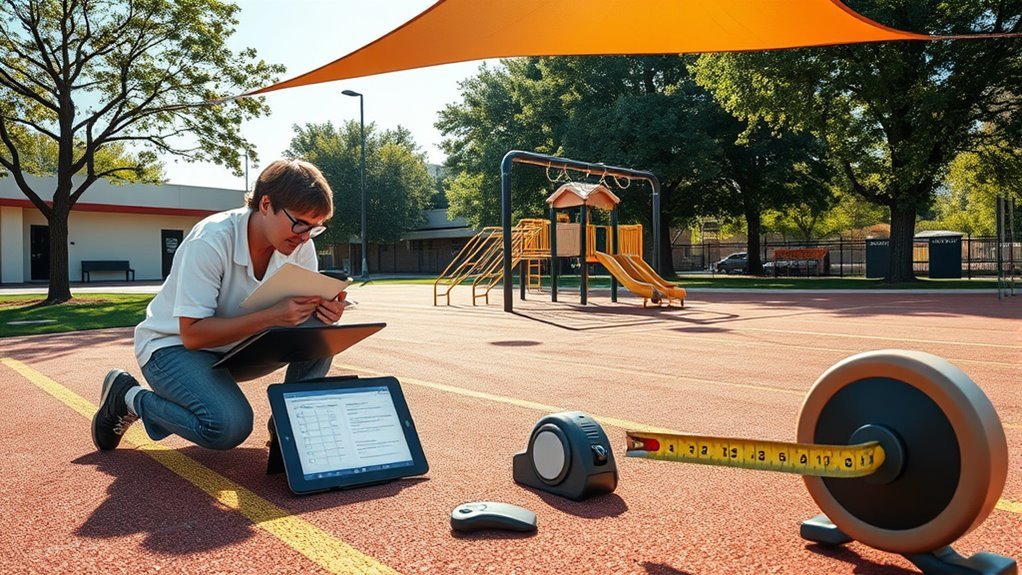
To set effective safety standards for your playground audit, define clear, measurable goals that align with school policies and child safety codes. You’ll translate these into concrete targets you can track over the year, so progress feels shared and achievable. Start with playground metrics you can quantify: surface resilience, equipment gaps, fall zones, and accessibility compliance. Pair each metric with a safety benchmarks deadline and a simple method to collect data, like checklists or brief observations. Ensure every goal is specific, time-bound, and revisited in routine meetings, so your team stays aligned and accountable. Document decisions, celebrate small wins, and adjust as needed. When goals are transparent and collaborative, your community feels a sense of belonging and purpose around safer play spaces.
Build the Right Team and Schedule the Full Audit
Who should be on your audit team, and when should you conduct the full review? You’ll build trust by including diverse voices—teachers, aides, facility staff, a student rep, and a district safety lead—so everyone feels invested. Define clear team roles and a predictable scheduling cadence that fits school routines. Schedule the full audit to occur annually, with interim check-ins to stay aligned and responsive. Establish ground rules: open dialogue, evidence-based decisions, and documented follow-through. Communicate dates early, invite feedback, and assign owners for action items. This approach reinforces belonging and accountability from day one.
1) Identify core roles and responsibilities
2) Set a consistent cadence for milestones
3) Align with school calendar and approvals
4) Confirm ongoing communication and accountability
Inspect Playground Equipment and Surfacing for Wear and Hazards
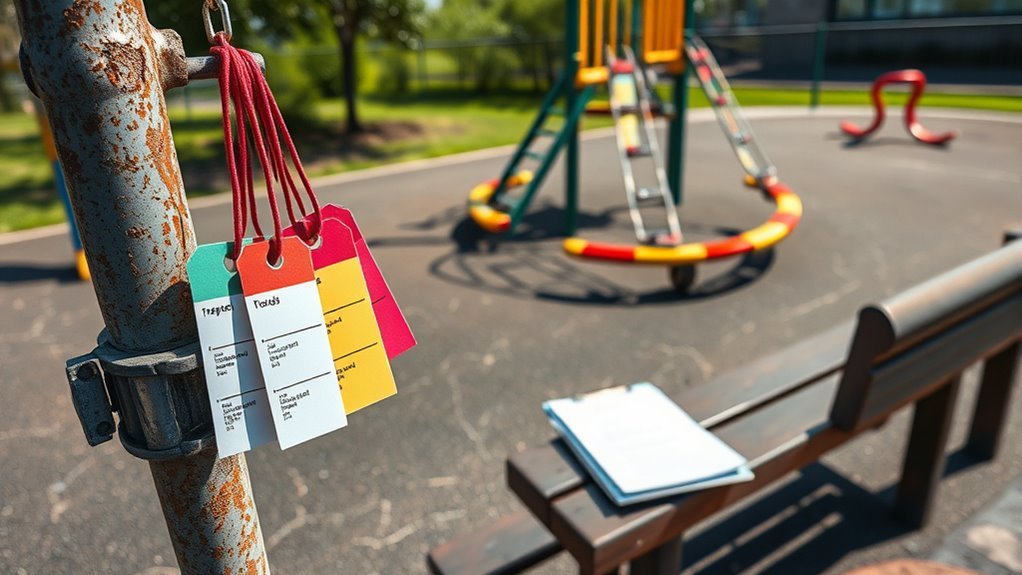
Begin with a thorough visual and hands-on inspection of every playground component to catch wear, damage, or hazards before students use the area. You’ll systematically assess equipment mounting, loose bolts, cracks, sharp edges, and protruding surfaces, noting anything that could cause injury. Inspect surfacing for adequate depth, compression, and even coverage; check for gaps, erosion, and contaminated patches. Document findings clearly to support timely repairs and replacements, and track remediation timelines within inspections logistics. Verify that moving parts operate smoothly without pinching or entrapment risks, and confirm anchor points meet standards. Engage staff in proactive checks after adverse weather or vandalism. Emphasize ongoing staff training to recognize hidden wear and prioritize fixes. This deliberate cadence reinforces safety, belonging, and confidence across your school community.
Check Fencing, Gates, and Access Controls for Security and Safety
You’ll start by verifying fencing integrity and promptly noting any rust, loose posts, or gaps that could let intruders or children slip through. Next, you’ll inspect each gate’s alignment, latch, and self-close mechanism to ensure reliable operation and authorized access only. Finally, you’ll review access controls and signage to confirm clear, enforceable rules and easy, safe entry for staff and emergency responders.
Check Fencing Integrity
Have you thoroughly inspected the fence line lately? You should approach fence integrity with calm, purposeful checks that reinforce belonging and safety. Start by verifying posts are straight, anchors secure, and fabric free of tears. Then assess tension along rails, ensuring no sagging or gaps that could invite trouble. Finally, confirm coatings are intact to prevent rust and decay, and review surrounding vegetation that could conceal hazards. Regular, proactive maintenance builds trust and confidence in your community.
- Inspect posts, rails, and fabric for wear and secure fastenings
- Check for rust, corrosion, and coating thickness on metal components
- Test stretch and tension to prevent gaps and trapping hazards
- Review nearby foliage and access points for visibility and control, noting any needed pruning
Inspect Gates Access Controls
When inspecting gates, access controls, and their connections to fencing, start with a systematic check of operation and security. You verify that every gate opens and closes smoothly, with latches and hinges free of corrosion or jamming. Inspect access controls—card readers, keypad pads, and remote permissions—for proper authorization, current software, and audit trails. Confirm that alarms trigger on unauthorized entry and that entry and exit logs are accurate. Check fencing connections at gates for any looseness, gaps, or bent sections that could be exploited. Test emergency release mechanisms and ensure signage clearly designates restricted areas. Document findings and immediate fixes, then establish a remediation timeline. Prioritize gates access and security controls to foster a safer, more inclusive campus environment you can trust.
Review Signage, Supervision Practices, and Sightlines
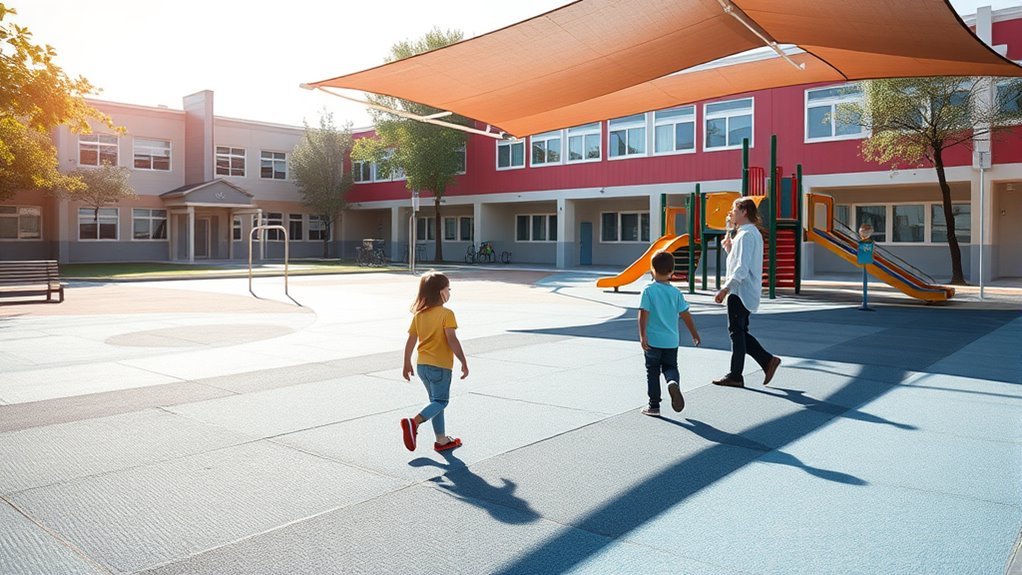
Reviewing signage, supervision practices, and sightlines is a essential step in the yearly playground safety audit, and it starts with a clear, on-the-ground assessment. You’ll map every sign, observe adult presence, and verify unobstructed views across play zones, ensuring signage clarity and sightline visibility guide every decision.
- Confirm that signs use plain language, durable materials, and multilingual options where needed.
- Audit supervisor ratios, positioning, and active engagement during peak and transition times.
- Check sightlines around equipment, fences, and entry points for obstructions or glare.
- Document improvements and schedule follow-ups to maintain a cohesive safety culture community.
Prioritize Findings by Risk and Budget Considerations
To prioritize findings, start by categorizing each issue by both risk level and cost impact, so you can tackle the highest threats within your budget first. You’ll map hazards to three tiers (high, medium, low) and pair each with estimated remediation costs, revealing true risk prioritization. Next, align actions with budget constraints, identifying quick wins that minimize danger without overreaching funds. Document why each item matters to students, staff, and families, reinforcing a shared commitment to safety. Establish a transparent ranking process you can repeat annually, so your school community sees deliberate, data-driven decisions. This approach fosters trust, encourages collaboration, and ensures budget alignment supports durable safety improvements over time.
Create a Practical Remediation Plan With Timelines
To move from findings to action, outline clear timelines and milestones for each remediation item, so you can track progress and reallocate resources as needed. Assign accountability steps to specific staff, with defined owners, due dates, and check-in points to ensure steady momentum. This approach keeps remediation practical, measurable, and align with your school’s budget and safety priorities.
Timelines and Milestones
Creating a practical remediation plan with timelines starts with turning the audit findings into clear, actionable steps and assigning realistic due dates. You’ll map each item to a responsible person, a target date, and measurable outcomes, so progress stays visible to everyone. This structure keeps you focused, collaborative, and accountable while honoring the safety values your community shares.
- Prioritize items by risk, cost, and impact, aligning with visual audits and long-term playground health.
- Set quarterly checkpoints to review status, adjust timelines, and celebrate small wins.
- Attach budget alignment to each step, ensuring resource availability without surprises.
- Document lessons learned to improve future audits and foster a culture of proactive care.
Implementation Accountability Steps
What steps turn audit findings into real changes? You start by translating each finding into a concrete remediation action with a single owner and a firm deadline. Map actions to available resources, assign milestones, and embed accountability in your completion dates. Create a short, actionable timeline that aligns with budget cycles and grants—think playground funding opportunities and phased upgrades. Prioritize high-liability risk items, then tackle lower-risk fixes for quick wins. Establish weekly check-ins, document progress, and adjust a living plan as needed. Communicate clearly with staff, parents, and stakeholders to reinforce collective ownership and belonging. Use this table to track ownership, due dates, and status.
| Owner | Due Date | Status |
|---|---|---|
Establish a Year-Long Monitoring Routine and Documentation System
Establishing a year-long monitoring routine and a clear documentation system means setting up a steady cadence for inspections, data collection, and action tracking so nothing falls through the cracks. You’ll build trust through consistency, empower staff with accessible records, and strengthen your risk assessment and data governance practices.
- Define cadence and responsibilities so every team member knows when to inspect, report, and review findings.
- Standardize templates for findings, actions, and closure dates to ensure uniformity and clarity.
- Centralize data in a secure, shareable system that preserves history and supports trend analysis.
- Schedule quarterly reviews to translate data into measurable improvements and celebrate progress.
Frequently Asked Questions
How Often Should Audits Be Conducted During School Breaks?
Audits cadence should be quarterly during break timing, with quick checks each recess and a deeper review at each term’s end. You’ll stay proactive, scheduling reset points that feel natural and inclusive. You’re not just ticking boxes; you’re building belonging by signaling care and safety. When breaks come, you guide teammates to note hazards, communicate findings, and track fixes, ensuring every student returns to a safer play space. You’ve got this steady, dependable rhythm.
Who Approves the Yearly Safety Budget and Costs?
Budget approval typically rests with district leadership and your school’s finance committee, with endorsement from the superintendent or principal. You should present a clear yearly safety budget and supporting data for cost tracking, aligning it to safety priorities. Proactively document needs, anticipated risks, and ROI. You’ll track variances, seek stakeholder input, and secure timely approvals, ensuring transparency and belonging. Stay communicative, collaborative, and meticulous as you finalize the budget approval process and monitor ongoing costs.
What Standards Define Acceptable Playground Surfacing Depths?
Sure, the standards define acceptable playground surfacing depths as typically 6 inches for loose-fill materials (like wood fiber or mulch) and 4 inches for most resilient surfaces (like rubber mulch or poured-in-place). You’ll verify depth with a simple ruler and adjust after weathering. You’ll document outcomes, follow local codes, and ensure consistent inspections. You’ll feel welcomed by peers when you share measurements, because precise, proactive safety earns belonging and trust.
How to Involve Students in Safety Observations and Reporting?
You should involve students by giving them structured safety observations tasks and clear reporting ideas. Start with a simple checklist, pair students for walk-throughs, and designate buddy zones so everyone feels welcome. Encourage journaling, photo notes, and weekly class debriefs, then compile findings together. Create a user-friendly reporting form and celebrate contributions in assemblies. When students see their input shaping safer playgrounds, belonging grows and proactive safety becomes part of your school culture.
What Records Are Required for Compliance and Audits?
You need to keep documented proof of compliance, including incident logs, risk assessments, inspection checklists, maintenance records, and training certificates. Maintain records retention schedules and designate a responsible owner. Coordinate with audit timelines, preserving originals and arranging periodic offsite backups. Guarantee accessibility for authorized staff, secure storage, and clear version control. This proactive approach supports belonging, clarity, and accountability, helping you demonstrate thoroughness during audits and cultivate a safe, collaborative school culture.