
Proper installation is your first defense against premature wear. Start with modular, upgradable components and choose mounting methods matched to your surface and expected loads. Ensure level ground, clearances, and secure anchors or sleeves. Align joints, tighten methodically, and re-torque as needed. Plan for drainage, shock-absorbent surface, and regular inspections to catch wear early. Document torque checks and maintenance actions so you can spot trends. If you keep going, you’ll uncover even more ways to safeguard longevity.
Choosing the Right Equipment for Longevity
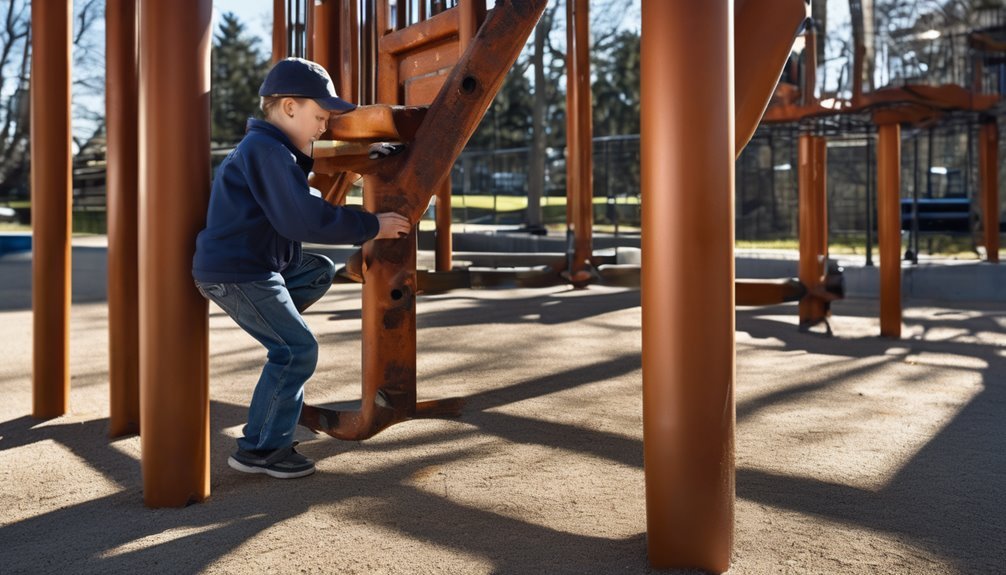
Choosing the right equipment for longevity starts with options that match your space, budget, and maintenance plan. You’ll assess play value, safety ratings, and durability, then prioritize pieces that fit your environment and long-term needs. Begin with modular components that allow upgrades without full replacement, reducing future cost and disruption. Consider load capacity, materials, and weather resistance to prevent premature wear. Compare warranties and service availability, mapping out how quickly replacements can be obtained. Embrace choice empathy by imagining how families will use the space, choosing designs that feel intuitive and inclusive. Be mindful of budget tradeoffs: higher upfront quality often yields lower maintenance and longer life, but plan for ongoing upkeep. Document decisions, review periodically, and adjust choices as needs evolve. This deliberate approach builds lasting, trusted play environments.
Planning Your Space: Layout and Safety Considerations
Planning your space starts with a practical map of where each piece will go and how kids will move through it. You’ll identify clear entry and exit points, sightlines for supervision, and zones for active play, rest, and transitions. Prioritize a logical flow that minimizes crowding and collision risks, placing taller structures away from fences and pathways. Establish sightlines so adults can monitor every area at a glance. Define buffer zones around swings, slides, and climbers, and ensure objects that could trip or snag are kept out of walkways. Incorporate designated safe play lanes and color cues to guide use. Document safety considerations in a simple checklist and review it after installation to sustain a welcoming, inclusive play environment. This approach supports planning space with care and belonging.
Ground Surface and Shock Absorption Options
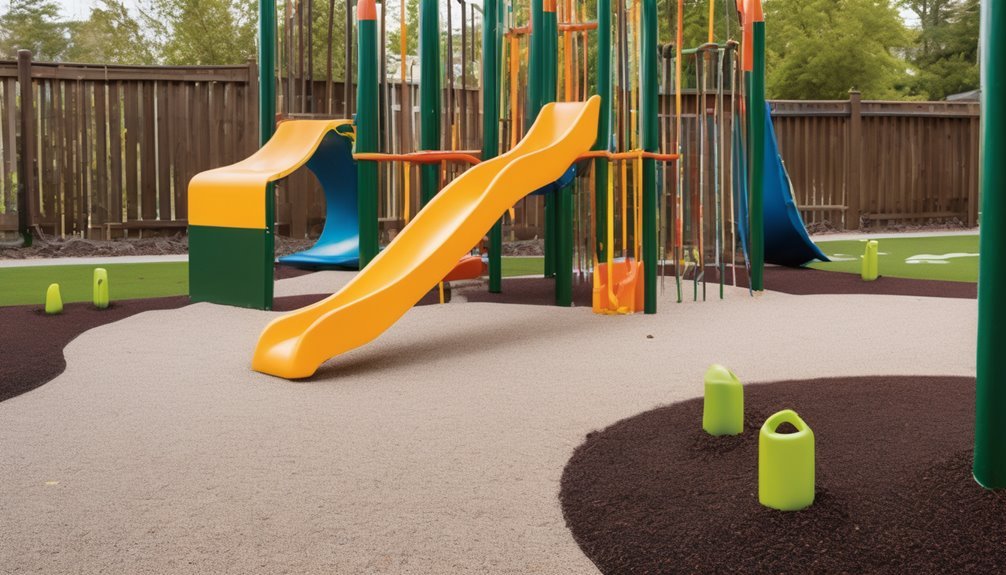
What’s the best way to protect kids from hard impacts while keeping maintenance simple and cost-effective?
Choosing the right ground surface and shock absorption reduces injuries and upkeep. Start with a user-friendly option that matches your climate, activity level, and budget. Prioritize consistency, drainage, and accessibility to keep playtime safe year-round.
- Assess impact rating and installation depth for your chosen ground surface
- Ensure proper drainage to prevent puddling and mud
- Confirm accessibility for all kids, including wheelchairs
- Plan for regular inspections and seasonal refreshes
- Pair with simple maintenance routines to sustain shock absorption
Foundations: Stakes, Anchors, and Secure Mounting
| Surface Type | Example Method |
|---|---|
| Grass/Soil | Ground stakes, shallow anchors |
| Hardscape | Concrete sleeves, heavy anchors |
| Sand/Loose | Adjustable mounting feet, spread anchors |
Assembly Tips: Aligning, Tightening, and Inspecting Fasteners
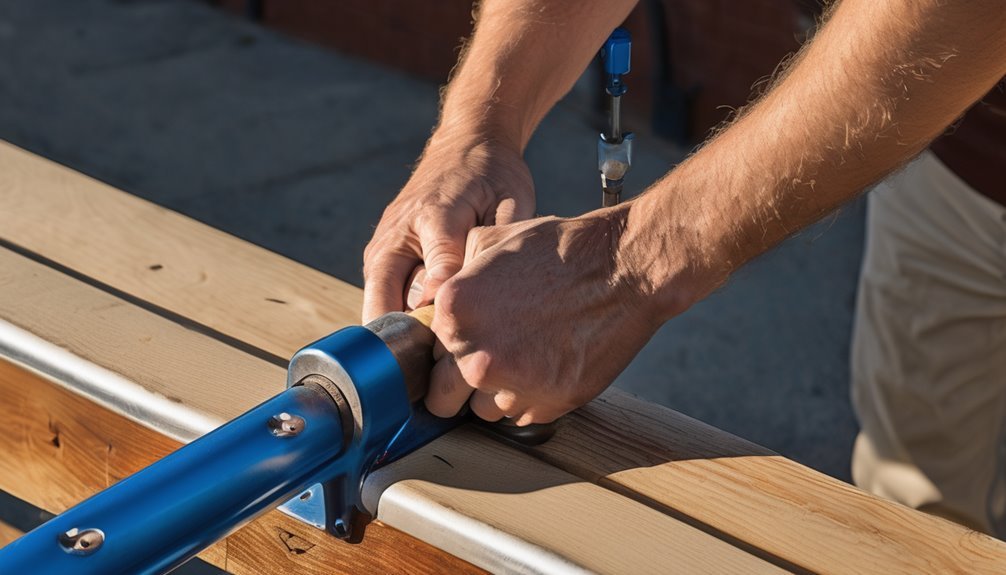
Start by aligning components so that holes, brackets, and rails line up precisely, then tighten fasteners in a systematic sequence to avoid misalignment. Use steady, even torque and check for consistent tightness across all connection points. Finish with a quick inspection: confirm alignment, test for wobble, and replace any worn or damaged fasteners before use.
Alignment Techniques
To ensure safe, dependable play structures, start with precise alignment of all joints and fasteners, then tighten and inspect them regularly. You’ll perform alignment verification as you assemble, confirming each component sits true before proceeding. Prioritize joint stabilization by checking that connections resist wobble and remain square during use. Keep your process calm, methodical, and repeatable, so each structure shares a common standard. Maintain a clear record of checks and adjustments to prevent drift over time. Your goal is long-term reliability, not quick fixes.
- Align joints before tightening for predictable results
- Verify fastener placement and square alignment
- Twist or move components gently to test stability
- Document each alignment check and outcome
- Revisit alignment verification on routine inspections
Fastener Tightening
Fastener tightening is your last, best defense against wobble and misalignment. You’ll want to verify each connection, then snug it to spec without over-tightening. Use a calibrated torque tool and follow manufacturer guidelines for materials and coatings. Check both bolts and nuts, including any decorative caps, to ensure even pressure distribution. As you tighten, listen for a consistent tone and feel resistance that isn’t gritty or binding. After tightening, recheck alignment and play space, re-torque if needed after a short operation break-in. Document torque values and any adjustments to track wear patterns. This routine supports corrosion prevention by keeping joints sealed and reducing micro-movements that invite moisture ingress. With disciplined tightening, you reinforce safety, stability, and a sense of belonging in your outdoor space.
Regular Inspection Steps
Regular inspection should be part of your routine, not a one-off check. You keep playground safety achievable by following a steady cadence of inspections, aligning components, and tightening as needed. You’ll also inspect fasteners for wear, corrosion, and proper seating, documenting any changes. This is how you build confidence and a safer play space for everyone.
- Check alignment of bars, panels, and anchors before each season
- Tighten nuts and bolts to the specified torque, without over-tightening
- Look for cracks, rust, or elongation around fasteners
- Report hazards promptly as part of hazard reporting
- Record inspections cadence and actions taken for future reference
Weatherproofing and Material Care for Durability
Weatherproofing your equipment starts with choosing weather-resistant materials and applying proper coatings to resist moisture and UV damage. Regularly inspect for cracks, rust, or peeling paint, and address issues promptly to prevent further deterioration. Implement routine care practices like cleaning, re-sealing joints, and reapplying protective finishes as part of your preventive maintenance plan.
Weatherproofing Techniques
Water and moisture are the main enemies of outdoor playgrounds, so start with a solid seal and ongoing upkeep. You’ll implement practical weatherproofing techniques that protect framing, hardware, and surfaces, using proven weatherproofing materials and a clear seasonal maintenance plan. This approach helps you enjoy a safer, longer-lasting play space together.
- Inspect seals and joints after heavy rain and re-seal as needed
- Apply protective coatings to wood and metal before winter
- Choose weatherproofing materials rated for outdoor exposure
- Schedule seasonal maintenance checks for drainage and water runoff
- Document and follow a routine to keep everyone connected and informed
Material Care Practices
Even with solid weatherproofing, ongoing material care is essential to keep playgrounds durable; start by adopting a simple, repeatable maintenance routine that addresses both weather exposure and wear. You’ll inspect weekly for loose bolts, cracked coatings, and splinters, and wipe surfaces to prevent buildup. Clean after heavy rain, then reseal or repaint exposed wood and metal components on a seasonal schedule to sustain integrity and appearance. Use manufacturer-approved products, and test any coating in a small area first. Address abrasion by rotating high-use elements and applying protective pads where needed. Document standards for playground safety and equipment longevity, share findings with your community, and invite feedback. Consistent care builds trust, reinforces belonging, and preserves safe play for years to come.
Regular Inspections: Preventive Maintenance Routine
Regular inspections are the backbone of a preventive maintenance routine. You’ll build confidence by sticking to a clear inspections schedule and following practical steps that keep equipment safe and reliable.
- Inspect every component for wear, looseness, and corrosion
- Check fasteners and connections; tighten as needed
- Test movement, alignment, and surfaces for smooth operation
- Clean debris, rust, and moisture from all play areas
- Log findings and schedule timely follow-ups
Common Installation Mistakes and How to Avoid Them
Common installation mistakes can quietly undermine safety and longevity long before the first season ends. You’ll avoid trouble by following a clear, methodical plan. Begin with thorough site preparation: verify level ground, inspect for underground utilities, and mark boundary guidelines. Don’t rush into assembly before materials are organized and labeled. Missteps like skipping fastener torque checks, using improper hardware, or over-tightening can create stress points and future failures. Double-check equipment sizing for your space and age group, ensuring clear fall zones and impact surfaces meet standards. Maintain a written checklist to track each step, from anchoring to final inspections. If anything seems off, pause, reassess, and consult the manufacturer’s installation errors guidance. By coordinating, communicating, and testing, you foster belonging and lasting safety for everyone.
Frequently Asked Questions
How Do Root Systems Affect Playground Anchor Stability Over Time?
Root systems can move soil and lift anchors over time, reducing anchor stability. You’ll see gradual movement as roots grow, so monitor for loosening and soil disruption around posts. To prevent failure, reinforce anchors and recheck fasteners periodically, especially after storms. Keep the site well-drained and avoid heavy root disturbance during maintenance. Plan for reinforcement needs now, and you’ll protect everyone who enjoys the play area as a connected, like‑minded community.
What Is the Best Seasonal Timing for New Equipment Installation?
The best seasonal timing for new equipment installation is during mild, dry months—spring or early fall—when soil is stable and weather is predictable. Plan ahead for equipment readiness by inspecting site drainage, securing permits, and coordinating with installers. You’ll reduce weather-related delays and ensure proper anchoring. Keep safety checks and user orientation early in the process, so your team feels confident. This seasonal installation timing supports long-term performance and a sense of belonging in your playground community.
Can Portable Playgrounds Be Relocated Without Re-Anchoring?
Yes, you can relocate portable playgrounds, but you’ll need to re-anchoring afterward to maintain anchoring stability. First, secure the area, disconnect utilities if needed, and move the unit carefully. Reinstall on a level surface, reattach anchors, and test stability before kids play. Keep a relocation log, inspect for wear, and tighten fasteners regularly. By planning portable relocation, you protect safety, cultivate community trust, and reinforce your belonging through responsible upkeep.
How Often Should Manufacturers’ Warranty Guidelines Be Reviewed for Updates?
You should review guidelines at least annually and whenever manufacturers issue warranty updates. Make it a routine, not a reaction, so you stay current. Set a calendar reminder to compare your documentation with the latest versions, note changes, and adjust maintenance plans accordingly. This proactive approach helps you prevent gaps in coverage and demonstrates responsible ownership. By staying consistent, you’ll feel confident that your safety standards and protections remain aligned with evolving recommendations.
Do Color Choices Impact Structural Longevity or UV Resistance?
Color choices can impact color impact and uv resistance, so pick hues that reflect heat and fade risk. You’ll want color that minimizes UV absorption on exposed surfaces to maintain structural cues and safety labels. Check UV-protected coatings and seams during regular inspections, replacing deteriorated finishes promptly. This preventive approach helps you sustain performance, reduce rework, and feel a sense of belonging in a well-kept playground you can trust for years.