
A practical, student-centered approach for a 2025 school Ninja Warrior course centers on feasibility, safety, and inclusive design. You’ll assess space, budget, staff skills, and student needs to ensure alignment with curriculum goals and measurable outcomes. Build safety with guards, mats, and modular layouts, plus regular inspections. Integrate stations that blend math, science, and teamwork, while tracking progress with data dashboards. Plan a phased rollout that prioritizes accessibility and partnerships—and you’ll set the stage for broader impact as you evolve. You’ll see more as you continue.
Feasibility and Design Criteria for a School Ninja Course
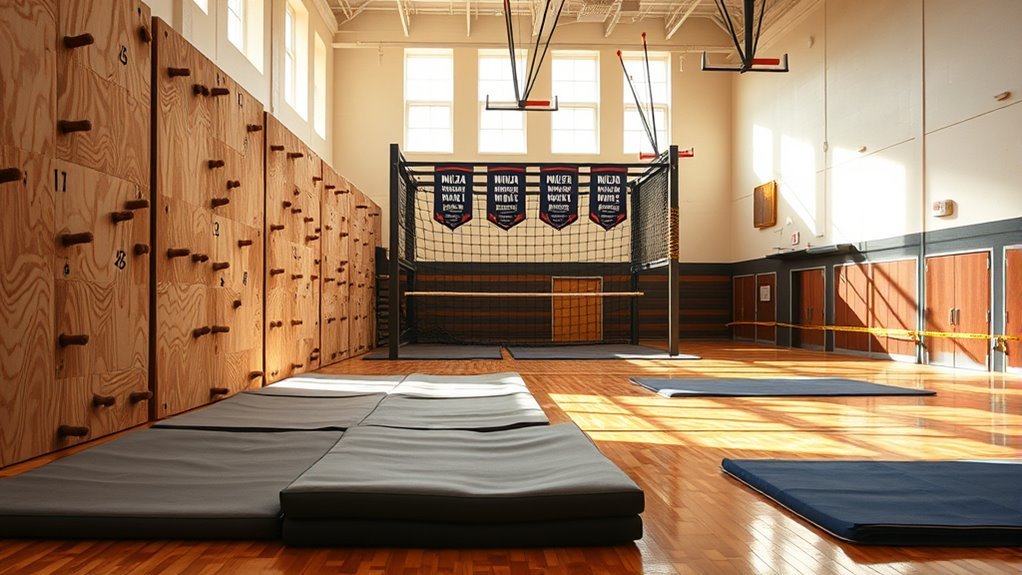
Developing a school Ninja Course is feasible when you grounding decisions in clear safety and educational criteria. You’ll start with a feasibility assessment that considers space, budget, staff expertise, and student needs, ensuring outcomes align with curriculum goals. Then, define design criteria that balance challenge with inclusivity, pacing, and assessment opportunities. Prioritize modularity, scalable activities, and clear progress benchmarks so learners see growth and feel supported. Include access considerations for diverse abilities, ensuring accommodations without compromising core objectives. Gather input from teachers, parents, and students to strengthen ownership and belonging. Document constraints, timelines, and evaluation metrics to monitor impact and iterate. By tying feasibility assessment and design criteria to measurable learning outcomes, you create a course that’s engaging, safe, and educationally meaningful for every learner.
Safety-First Design: Guards, Mats, and Modular Layouts
While safety is the backbone of any school ninja course, you’ll get the most value by prioritizing guards, mats, and modular layouts that adapt to diverse learners and activities. You’ll design flexible zones, inspect regularly, and document findings for continuity. Focus on sturdy guards, shock-absorbent mats, and modular platforms that can reconfigure without downtime. Implement clear safety drills and rapid-access exits, so students feel prepared and included. Emphasize equipment maintenance routines that extend life and performance, supported by simple checklists and logs. Your approach is practical, evidence-based, and student-centered, inviting belonging through consistent procedures and teachable moments.
| Guarding | Modularity |
|---|---|
| Mats | Accessibility |
Curriculum Integration: Math, Science, and Teamwork in Action
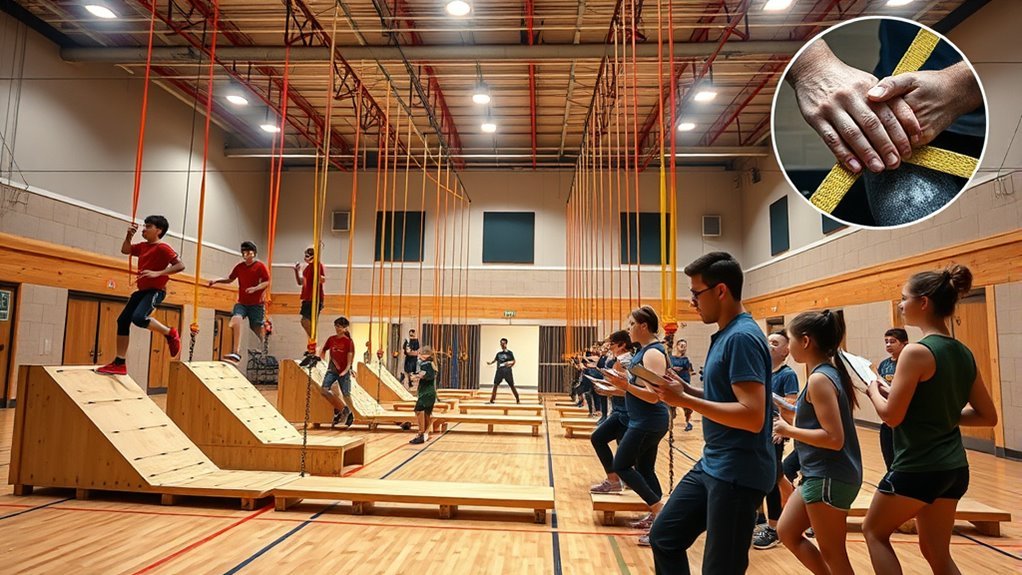
Curriculum integration turns every station into a learning moment: math, science, and teamwork come alive as students measure, analyze, and engage to complete challenges. You’ll align tasks with a parallel curriculum, linking measurements, data collection, and reasoning to real-world problem solving. At each station, curiosity drives involvement, with clear outcomes that reflect core standards and practical skills. You design prompts that invite discussion, justify decisions, and compare methods, so every learner spots connection points between curriculum areas. Emphasize collaboration, not competition, by rotating roles and sharing evidence-based conclusions. This approach boosts student engagement and belonging, showing that school learning isn’t separate from physical inquiry. You’ll assess progress through observable evidence, reflection, and peer feedback, sustaining motivation across diverse learners.
Track and Personalize: Data-Driven Coaching for Every Student
How can data-driven coaching transform every student’s progress on the Ninja Warrior course? You’ll tailor feedback with concise checkpoints, track strengths, and identify gaps using data visualization to guide practice. By monitoring reps, time-to-completion, and obstacle success rates, you can adjust tasks with adaptive pacing so each learner progresses at an optimal tempo. This approach supports every student feeling seen and capable, not overwhelmed. Use dashboards, simple charts, and regular check-ins to validate growth, celebrate small wins, and refine goals together.
| Obstacle category | Progress marker | Next step |
|---|---|---|
| Baseline ability | Current success rate | Target practice set |
| Time efficiency | Avg. completion time | Speed-focused drill |
| Consistency | Week-to-week trend | Reinforcement task |
Rollout Roadmap: Budget, Setup, and Inclusive Access
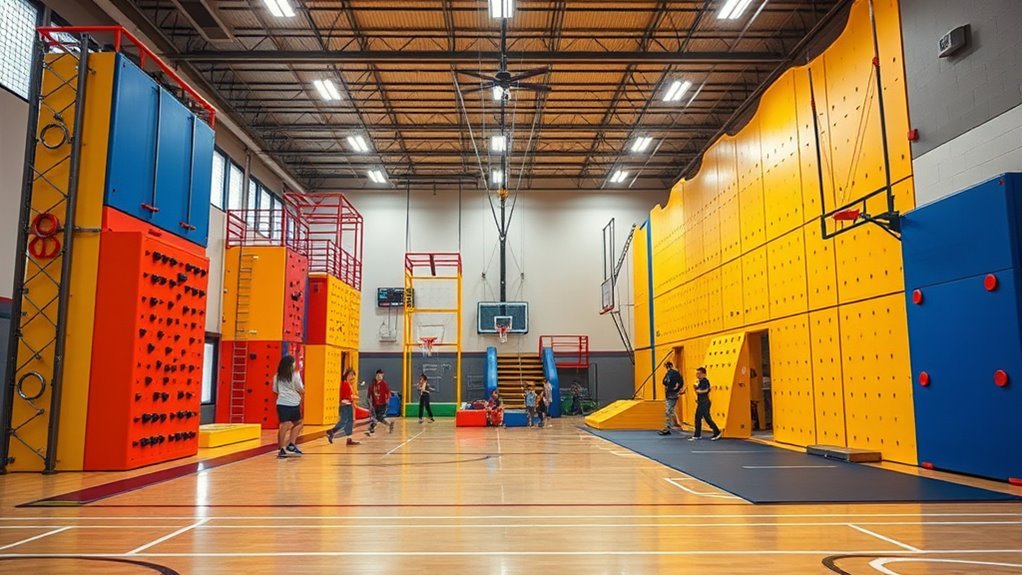
Rolling out a Ninja Warrior course in your school means turning data-driven insights into practical steps you can act on now. You’ll map a rollout that prioritizes student safety, accessibility, and belonging, so every learner sees themselves reflected in the design. Begin with feasibility metrics to forecast what’s realistically achievable given space, staff, and time, and adjust expectations accordingly. Use budget forecasting to project costs, maintenance, and potential grants or partnerships, then align with your district’s procurement processes. Create a phased setup plan that starts with core elements, pilots inclusively, and scales based on feedback. Build inclusive access into every decision—sensor lighting, adjustable equipment, and clear pathways. Document roles, timelines, and success metrics so you can iterate toward a truly empowering, equitable experience.
Frequently Asked Questions
How Will Parental Consent Be Managed for Participants?
You manage parental consent by obtaining written approval from guardians and keeping records securely, with opt-out options where applicable. You clearly explain data privacy practices, what information is collected, who can access it, and how long it’s retained. You provide ongoing updates about changes to the program, and you respect families’ right to withdraw consent at any time. You document consent decisions with transparency, so you build trust and a sense of belonging for all participants.
What Maintenance Cadence Ensures Safe, Long-Term Use?
Your maintenance cadence should be monthly inspections complemented by quarterly deep checks, with after-use quick safety checks daily. Keep clear safety documentation recording findings, actions taken, and dates. Address worn grips, loose bolts, and mat integrity promptly to protect every student. Involve students in reporting issues to foster ownership and belonging. Use evidence-based checklists, track trends over time, and adjust cadence as data indicate evolving risks or newly added obstacles.
Can the Course Be Adapted for Different Age Groups Simultaneously?
Yes, the course can be adapted for different age groups simultaneously. Start with adaptable scaling—adjust grip, height, and difficulty in real time while preserving safety. Implement clear safety protocols, supervised transitions, and age-appropriate stations so younger students feel included without feeling overwhelmed. Use data from trials to tailor progressions, ensuring peer learning and belonging. You’ll build an evidence-based, student-centered environment where everyone grows together, safely and confidently.
What Are the Accessible Design Options for Students With Disabilities?
You should prioritize inclusive design and universal access by selecting obstacle heights, clear coatings, and non-slip surfaces so every student can participate. Adaptive equipment like adjustable rails, grasp aids, and accessible routes matter most, alongside assistive tech for monitoring progress. Ensure you test with students of varying abilities, gather feedback, and iterate. This approach supports belonging, evidence-based practices, and practical safety, letting every learner feel capable and included in your course.
How Will Success Be Measured Beyond Test Scores?
You measure success beyond tests by tracking Student motivation, engagement, and sustained skill growth over time. Use practical Assessment metrics like goal attainment, participation rates, collaboration, and self-reflection notes. You’ll see belonging when feedback is inclusive, celebrates diverse strengths, and energizes ongoing improvement. Regular, brief observations paired with student portfolios provide actionable data. Coordinate goals with routines, celebrate progress publicly, and adjust supports so every learner feels capable, valued, and motivated to continue.