
Maintenance-free play equipment is a smart bet for Bangalore RWAs. It trims downtime and ongoing upkeep, pivotal in high-density layouts where reliable community spaces matter for safety, inclusion, and trust. With weather-resilient Bengaluru-ready materials, modular design, and strong warranties, you get fewer service calls and clearer long-term budgets. This allows funds to redirect toward security, lighting, and green amenities without compromising safety. Curious how to implement this from selection to handover? You’ll find practical steps ahead.
Introduction: Why Bengaluru RWAs Need Maintenance-Free Play
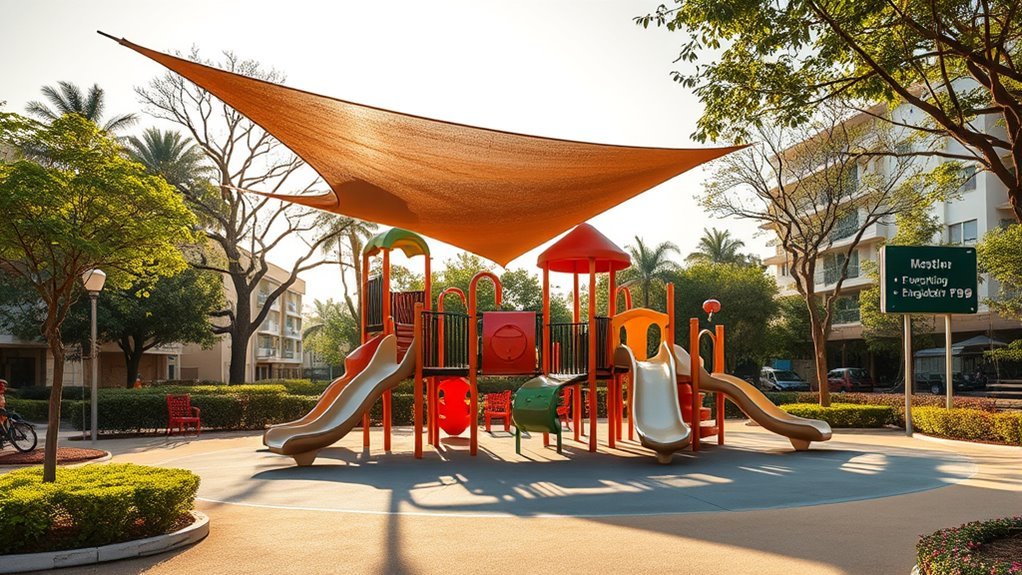
Maintenance-free play equipment is not just a convenience for Bengaluru RWAs—it’s a strategic necessity. You want reliable, safe spaces where families feel at home, not constant maintenance headaches. With high-density housing, recurring upkeep drains budgets and time, undermining community programs and resident trust. Maintenance free options reduce downtime, extend usable life, and free funds for security, lighting, and green amenities that boost wellbeing. You’ll see fewer service requests, faster turnover for gatherings, and clearer budgeting aligned with long-term planning. Evidence from similar markets shows lower total cost of ownership and higher resident satisfaction when upkeep is minimized without compromising safety standards. Embracing maintenance free play equipment signals commitment to belonging, stability, and pragmatic stewardship for every Bengaluru RWAs.
How to Choose Maintenance-Free Play Equipment for Bengaluru RWAs
To pick the right maintenance-free play equipment for Bengaluru RWAs, start by aligning choices with your community’s needs, space constraints, and budget realities. You’ll prioritize safety certifications, durability under local weather, and low maintenance requirements to reduce ongoing costs. Assess usage patterns: age groups, peak times, and inclusive design to foster belonging across residents. Compare supplier warranties, service intervals, and replacement parts availability to minimize downtime. Favor modular, adaptable systems that can evolve with your neighborhood’s needs without extensive restructuring. Consider accessibility standards and universal design to ensure participation from all families. Avoid non relevant topic and unrelated concept traps by sticking to evidence-based specs, cost-per-use analyses, and real-world feedback from similar RWAs. Your selection should balance value, safety, and long-term community cohesion.
Bengaluru-Ready Materials and Design for Weather Resilience
Are Bengaluru’s rain, heat, and humidity seemingly relentless, or is there a smarter way to build for it? You can adopt Bengaluru-ready materials and design choices that prioritize longevity, low maintenance, and resident peace of mind. Think corrosion-resistant metals, UV-stabilized plastics, and powder coatings that shrug off monsoon damp. Choose modular, watertight joints and shaded, ventilated layouts that reduce heat buildup and prevent mold. Use proofed timber or composite decking that resists termite and weather wear without upkeep. Ground surfaces should be slip-resistant and drain efficiently, ensuring safety after downpours. By aligning with evidence on climate resilience, you’ll deliver maintenance free solutions that fit local habits and budgets, creating a sense of belonging around a Bengaluru-ready playground that lasts and performs.
How to Evaluate Safety, Durability, and Vandal Resistance
To ensure safety and long-term value, you’ll want clear metrics for impact, entrapment, and fall zones, plus routine checks that catch wear before it becomes a hazard. We’ll compare materials and joints for vandal resistance, verify load and durability specs, and align them with local standards and incident data. This sets a concrete, evidence-driven basis for decisions that protect residents and maximize uptime.
Safety Metrics and Checks
How can you confidently assess safety, durability, and vandal resistance for playground gear in a Bangalore RWA? You focus on safety metrics, practical checks, and verifiable evidence. Begin with clear standards: certified components, smooth edges, and non-slip surfaces. Use routine inspections to identify wear, corrosion, and loose fittings before issues escalate. Track weather resilience by reviewing material performance under monsoon moisture and sun exposure, ensuring coatings and anchoring hold over time. Involve residents in simple checks—door closures, latch safety, and fall-zone maintenance—to foster ownership. Document results, prioritize through a risk-based plan, and pursue maintenance free playequipment where feasible. This evidence-driven approach builds trust, belonging, and reassurance that safety, durability, and vandal resistance meet your community’s expectations.
Durability and Vandal Resistance
Durability and vandal resistance hinge on choosing materials and designs that withstand Bangalore’s climate and daily use, then validating them with real-world tests and documented evidence. You’ll prioritize corrosion-resistant metals, UV-stable plastics, and smooth, tamper-resistant fasteners, paired with robust coatings. These choices should be backed by durability testing and independent lab data, plus field observations from similar deployments. You’ll also compare maintenance intervals and downtime to ensure long-term reliability, so residents feel secure and included in the process.
- Select components with proven gutters, coatings, and fasteners that resist wear and tampering.
- Review independent durability testing results and real-world performance data before approving.
- Plan for ongoing vandal resistance monitoring and transparent reporting to the RWA and residents.
Budgeting for Maintenance-Free Play: Total Ownership in RWAs
Budgeting for maintenance-free play is not just about upfront costs—it’s about total ownership and long-term value for your RWA. When you plan, you consider initial purchase, lifecycle costs, service patterns, and resale potential. You’ll weigh maintenance-free options against recurring maintenance, downtime, and user safety guarantees. Build a transparent cost model: initial capex, annual maintenance, energy use, and replacement cycles. Prioritize value over price, focusing on durability, vandal resistance, and guaranteed performance. Engage stakeholders early—treasurers, residents, and facility managers—to align budgets with projected usage and safety standards. Document scenarios, sensitivity analyses, and contingency provisions. With clear forecasting, you’ll realize maintenance free benefits while safeguarding your budget, fostering belonging, trust, and a shared commitment to maintenance free, total ownership.
From Selection to Installation: A Practical Adoption Path
You’ll start by confirming material durability and lifecycle costs, ensuring the chosen equipment stands up to Bangalore’s climate and usage patterns. Next, you’ll align the budget with clear ROI signals, so stakeholders see the long-term value and maintenance savings. Finally, you’ll map out a seamless installation plan that minimizes disruption and keeps the project on schedule.
Material Durability Check
How can you assure that the materials you select will hold up under everyday use in a Bangalore RWA? You assess durability through tests and real-world observation, focusing on long-term performance, safety, and community needs. Your goal is predictable maintenance, not surprises. Factor in local climate, corrosion risk, and soft-use patterns to choose sturdy options with proven track records for vandal resistance and abrasion resistance. Documented evidence—lab results, third-party certifications, and field pilots—must back every claim, so stakeholders trust the choice.
- Compare results from durability testing across competing materials, noting failure modes and time-to-deterioration.
- Verify vandal resistance through standardized impact and scratch tests, plus user-friendly maintenance indicators.
- Review installation tolerances and surface finishes that minimize future repairs and replacement cycles.
Budget and ROI
With durability clearly established, you can map the path from material selection to installed play spaces by tying cost, performance, and risk to real-world ROI. In this phase, focus on budget ROI by aligning upfront costs with long-term savings from reduced maintenance, fewer replacements, and lower downtime. You evaluate lifecycle costs, warranty terms, and expected usage to forecast payback periods for each option. Emphasize maintenance free benefits as a differentiator that strengthens resident trust and board confidence, translating technical metrics into tangible community value. Present clear scenarios: conservative, moderate, and aggressive cost models, with sensitivity to user density and weather exposure. Your decision should balance affordability, safety standards, and scalability, ensuring stakeholders feel heard and aligned toward a durable, cost-efficient solution.
Seamless Installation Plan
An efficient installation plan bridges selection and on-site reality by outlining a practical, step-by-step path that minimizes disruption and maximizes readiness. You’ll move from site survey to final commissioning with clear milestones, ensuring compatibility with maintenance free materials and universal safety standards. This approach reduces risk, aligns stakeholder expectations, and supports rapid, low-touch handovers to residents. You’ll document roles, timelines, and required permissions, enabling transparent accountability and future audits. By sequencing procurement, logistics, and installation windows, you minimize weather delays and neighborhood disruption while preserving the community’s sense of belonging. The plan emphasizes verifiable checks, so every step delivers measurable confidence in long-term performance and safety.
- Conduct a aligned site assessment and approvals
- Schedule phased delivery, installation, and commissioning
- Validate performance, training, and handover procedures
Frequently Asked Questions
What Maintenance-Free Options Exclude Any Repainting Needs?
You should choose maintenance free, repaint free options like industrial grade, vandal resistant equipment that requires no repainting; these solutions deliver durable, evidence-driven performance, minimizing upkeep whereas you feel belonging to a safer, more reliable community.
Are Warranties Transferable When Residents Change?
Are warranties transferable when residents change? Yes, transferable warranties can usually be reissued to new occupants, though terms vary. You’ll want clear documentation and a formal transfer, ensuring resident ownership impact is minimized and stakeholders stay coordinated.
How Often Are Safety Inspections Scheduled for Residents Associations?
You schedule inspections quarterly, aligning with safety protocols and inspections cadence. You’ll document results, address gaps promptly, and share outcomes with residents to build trust, demonstrate accountability, and reinforce a sense of belonging through transparent, evidence-driven practices.
Do Modular Units Allow On-Site Upgrades Without Tools?
Yes—you can do modular upgrades on-site without tools, if the modules are designed for easy snap-fit assemblies. Think of it as on-site installations becoming a plug-and-play chorus, where stakeholders witness practical, evidence-backed progression and belonging.
Can Vandal-Resistant Features Affect Playground Aesthetics or Branding?
Vandal resistant features can affect aesthetics and branding, but you can balance safety with style. They offer durable branding options, minimize maintenance, and improve community trust; the aesthetics impact is manageable with coordinated colors, textures, and stakeholder input.