
You’re seeing Bangalore preschools switch to sensory play equipment since it’s foundational for development. It lets children explore textures and properties, stimulating neural pathways and enhancing cognitive skills like memory and focus. This play additionally nurtures emotional and social growth, helping them manage feelings and build empathy. These research-backed spaces are designed to spark wonder and inclusion, creating lasting positive impacts. You’ll uncover how these rich environments cultivate lifelong learning continuations.
Unlocking Development: The Core Benefits of Sensory Play
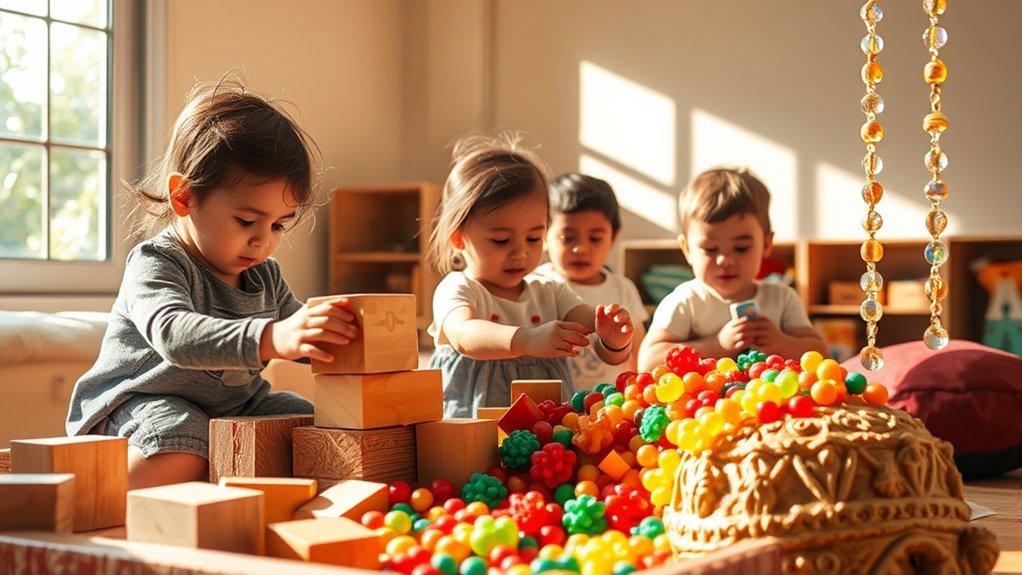
When you think about how a child learns, it’s easy to focus on reading and math, but we can’t overlook the foundational role of sensory play. It’s through this hands-on exploration that you truly begin to understand the world. Think about the joy you feel when engaging in material investigation, uncovering textures and properties. This isn’t just fun; it’s essential for cognitive development and nurturing social connection.
Through everyday experiences like squishing playdough or pouring water, you’re developing important fine motor skills. These actions build the muscle memory and coordination needed for later tasks. Sensory play encourages curiosity and problem-solving, allowing you to experiment and learn from outcomes. It’s a space where you can safely explore, connect with others involved in similar explorations, and build a strong sense of self and belonging.
Why Sensory Play Boosts Young Minds: Cognitive Growth
Engaging in sensory play is an influential catalyst for cognitive growth, laying the groundwork for a child’s learning expedition. As you guide your little one through age-appropriate sensory experiences, you’re actively nurturing their developing minds. Activities involving textures, colors, and sounds stimulate neural pathways, enhancing memory and focus. You’ll notice their fine motor skills sharpen as they grasp, pour, and manipulate objects. Moreover, sensory exploration naturally encourages problem-solving. When a child figures out how to stack blocks or mix colors, they’re employing critical thinking. This hands-on approach to learning cultivates a deeper comprehension of concepts, equipping them for future academic success and ensuring they feel a valuable part of the learning community.
More Than Fun: Building Emotional and Social Skills
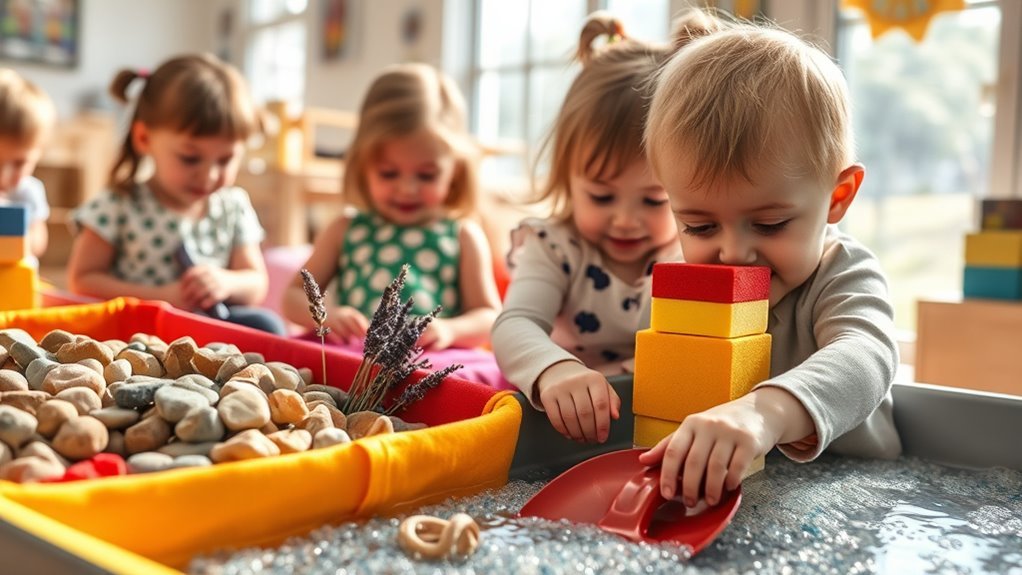
Beyond its cognitive advantages, sensory play proves instrumental in nurturing essential emotional and social development. You’ll notice how engaging with different textures and materials helps children manage their feelings, as they learn to self-regulate through calming or stimulating experiences. This type of play naturally encourages interaction, cultivating your child’s ability to share, cooperate, and communicate with peers. It provides a safe space for independent exploration, allowing them to uncover social cues and build empathy. When you’re involved, even observing, during these play sessions, you strengthen bonds and understand their evolving social environment. This shared experience is invaluable for building emotional intelligence and a sense of belonging.
Bangalore Schools: Creating Engaging Sensory Play Areas
Some preschools in Bangalore are recognizing the profound impact of dedicated sensory play areas, grasping that a thoughtfully designed space can markedly boost a child’s learning expedition. You’ll see that effective sensory areas aren’t just about throwing toys into a corner; they’re carefully curated environments. When you’re considering classroom design, think about how you can incorporate different textures, sounds, and visual elements. This extends beyond the indoor space, as transformed outdoor spaces can offer a range of tactile experiences, from sandpits to water features, promoting exploration and uncovering. Such intentional planning guarantees every child feels a sense of wonder and inclusion.
The Lasting Impact of Sensory-Rich Preschools
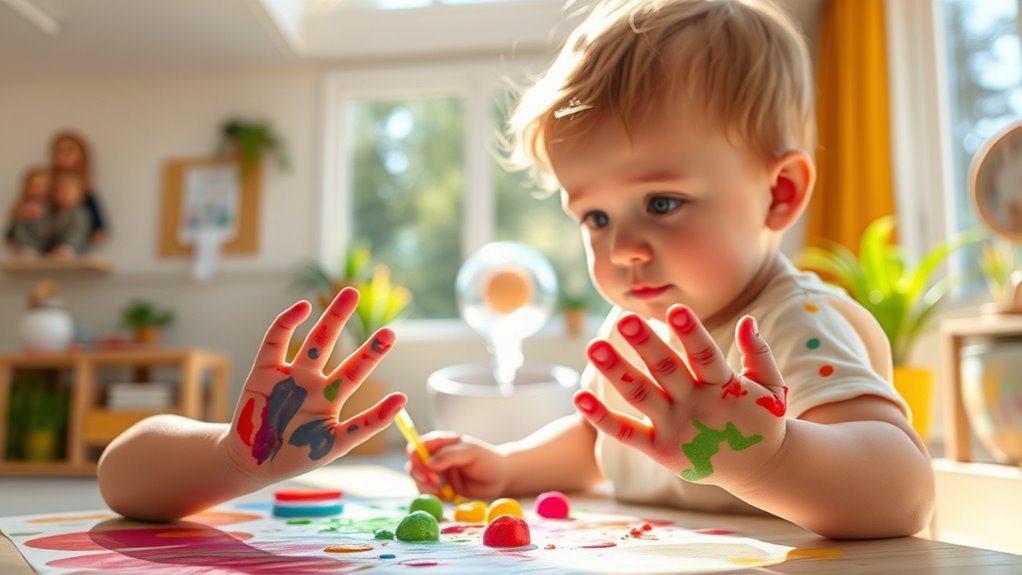
As children grow, the benefits of their preschool experiences continue to ripple outward, and a strong foundation in sensory-rich learning environments proves particularly enduring. You’ll see how these early explorations aren’t just fun; they’re building critical pathways for development. The tactile, visual, and auditory stimulation you’re providing actively supports neural connections, enhancing your child’s capacity for processing information and forming strong long term memory. This approach is crucial for encouraging cognitive flexibility and emotional regulation, fundamentally setting the stage for future academic and social success. It’s about nurturing a lifelong love of learning.
Sensory-rich preschool experiences build critical pathways, enhancing lifelong learning and future success.
- Sparking boundless curiosity that stays with them.
- Creating a sense of safety and confidence in their exploration.
- Laying the groundwork for effective early intervention if needed, ensuring every child thrives.
Frequently Asked Questions
What Are the Ideal Room Temperatures for Sensory Play?
You’ll want to aim for a comfortable room temperature that supports individual personal settings. Commonly, between 70-75°F (21-24°C) is ideal. This range aids in temperature regulation for all children, cultivating an environment where they can fully participate. Research suggests this best climate minimizes distractions and promotes a sense of well-being, allowing for deeper exploration and learning through sensory experiences.
How Often Should Sensory Equipment Be Sanitized?
You’ll want to establish consistent cleaning schedules for your sensory equipment. Daily sanitization of high-touch items is key, especially after shared use. For deeper cleaning and to maintain hygiene standards, consider incorporating this into your toy rotation practices. This approach guarantees a safe and welcoming environment, cultivating a sense of security and belonging for all your little learners as they explore and participate.
Are There Specific Sensory Play Materials for Allergies?
Yes, you’ll find a wealth of sensory play materials designed with allergy awareness in mind. It’s essential for you to prioritize material sourcing, opting for hypoallergenic options. Research consistently shows that developmentally appropriate sensory experiences support cognitive and motor skill growth. By choosing thoughtfully, you’re ensuring every child, regardless of sensitivities, can deeply participate and feel a sense of belonging within your learning environment.
Can Parents Buy Sensory Play Equipment for Home?
You can definitely recreate the magic of sensory play at home. Think of it like awakening your inner child’s explorer, much like how ancient civilizations developed intricate playthings. For a start, you can easily create engaging DIY sensory bins filled with safe materials. Consider a delightful sensory garden kit too, bringing nature’s wonders indoors. Your child’s development will flourish as they explore textures, smells, and sounds, cultivating a sense of wonder and connecting them with their environment.
What Is the Average Cost of Sensory Equipment?
The average cost of sensory equipment can vary widely, but expect budgeting considerations to range from a few hundred to thousands of dollars. Your sourcing strategies, like purchasing durable, multi-use items, can substantially impact your investment. Research indicates that investing in such equipment encourages essential developmental milestones. By thoughtfully acquiring these tools, you’re creating an environment where every child can explore, learn, and truly belong.