
In Bangalore, create sensory play zones that feel welcoming and practical for families and schools. Start with simple, low-cost stations: a fidget tote, a sound-in-a-basket, and a water-and-wind tray, plus a quiet corner. Choose safe, non-toxic materials, label storage, and keep pathways clear. Build routines with predictable cues and involve caregivers in setup and feedback. Local clinics and libraries can help tailor supports. If you keep exploring, you’ll pick up more collaborative ideas to try.
Understanding Sensory Needs in Bangalore Context
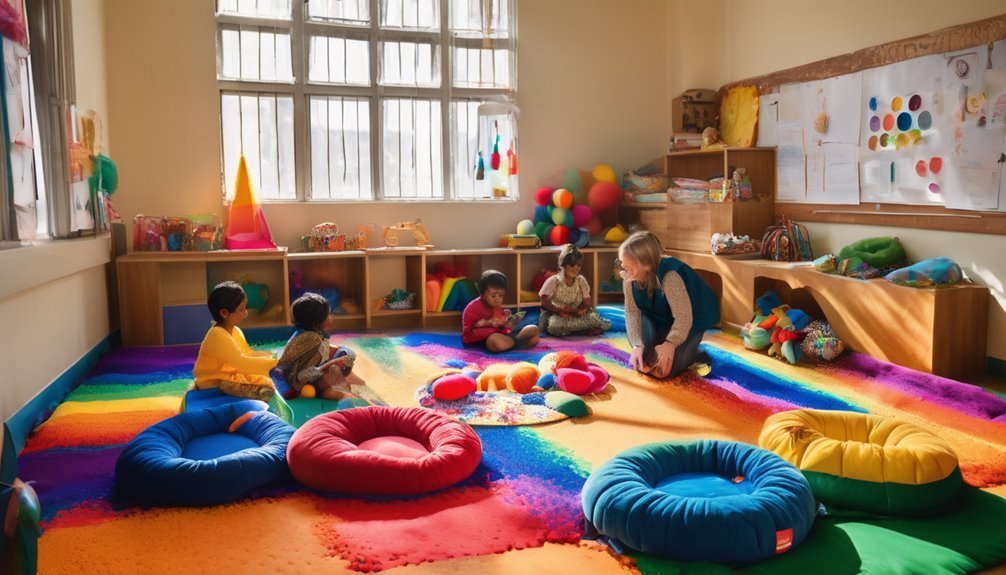
Understanding sensory needs in the Bangalore context means recognizing how local environments, classrooms, and daily routines shape what children notice, feel, and respond to. You’ll see that urban sounds, air quality, and crowd rhythms influence attention and comfort levels. In classrooms, flexible seating, predictable routines, and visual supports help you tailor activities to diverse sensory profiles. You’ll collaborate with families to map triggers and supports, ensuring decisions honor cultural norms and individual preferences. By observing calmly, you identify when a child seeks movement, softer lighting, or tactile input, then adjust spaces accordingly. Ground your approach in inclusivity, shared goals, and practical steps. With this awareness, you create welcoming environments that honor sensory needs within the bangalore context.
Low-Cost Sensory Station Ideas for Home and School
Low-cost sensory stations are a practical way to bring calm, focus, and involvement into both home and school environments. You’ll find these ideas easy to set up, inclusive, and ready for collaboration with caregivers and educators. Use them to spark discussion ideas and deepen engagement through sensory play that respects each child’s pace and preferences.
- Fidget-friendly tote: filled with textured fabrics, small chewables, and simple squeezables to explore touch and proprioception.
- Sound-in-a-basket: a low-volume shaker, rain stick, and soft bells for gradual auditory focus.
- Water-and-wind: a shallow tray with cups and ribbons to explore movement, temperature, and flow.
- Quiet corner companion: dim lighting, cozy seating, and a soft, calming visual timer for predictable breaks.
Choosing Safe Materials and Setup Tips
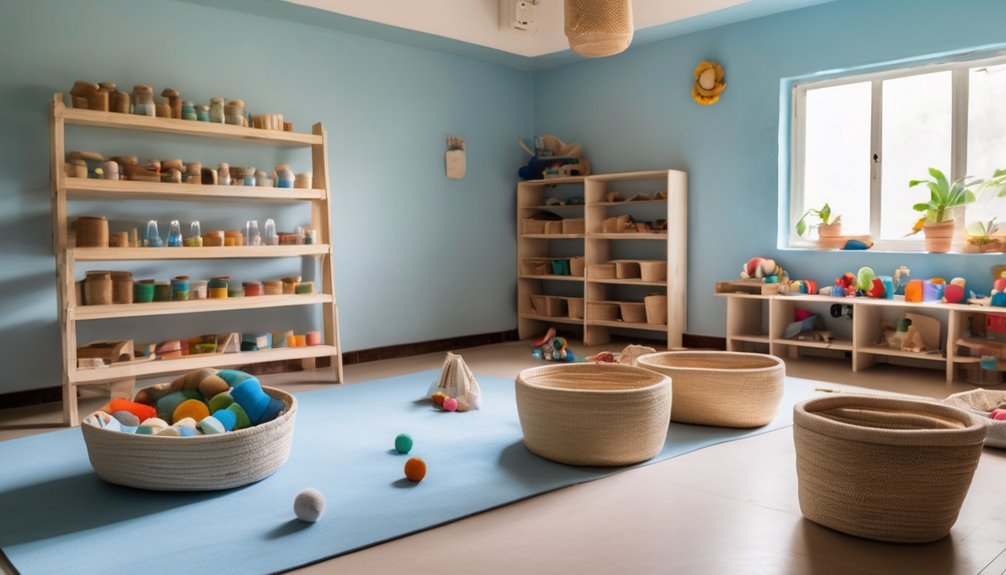
How can you ensure materials are safe and setups are supportive for every child? You’ll start by choosing age-appropriate, low-hazard items and avoiding small parts for younger kids. Prioritize non-toxic, BPA-free, and fragrance-free materials, and verify durability to withstand rough handling. Check cleanability and avoid textures that could irritate sensitive skin. Plan a modular layout so kids can explore different zones without crowding, using labeled storage and clear pathways. When sourcing, opt for reputable suppliers and request safety certificates or test reports; this is your safety consideration, ensuring confidence for families. For material sourcing, keep a simple, inclusive list of approved textures, colors, and sensory tools to accommodate diverse needs. Document rotations to refresh interest while maintaining consistency and predictability.
Implementing Calming and Focus Areas for Daily Routines
After selecting safe materials and a clear setup, you can apply those choices to daily routines by creating calm and focus zones that kids can rely on.
1) Establish a sensory garden corner that invites gentle exploration, using soft textures, inviting scents, and soothing lighting to ease the shift between activities.
2) Create a dedicated quiet corner with comfortable seating, dim lighting, and noise-reducing elements to help self-regulate during tense moments.
3) Integrate predictable cues—picture boards or timers—so routines feel safe and familiar, reducing anxiety.
4) Build in collaboration—parents, teachers, and caregivers co-create routines, rotating roles and sharing feedback to refine spaces.
These zones become dependable anchors, promoting belonging and steady daily flow.
Local Resources and Community Ways to Support Families
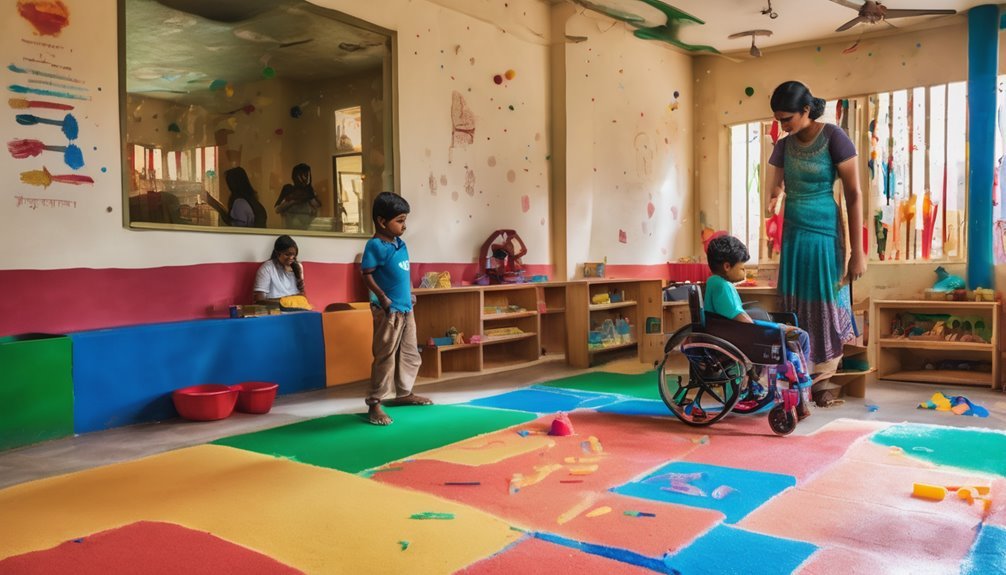
Local resources and community supports can make a real difference for families navigating sensory needs in Bangalore. You’ll find local clinics, occupational therapists, and special education teachers who welcome questions and quick consultations. Tap into sensory-friendly playgroups, libraries, and museums that offer accessible programs, easing outings for you and your child. Build sensory budgets by allocating funds for adaptive toys, therapy sessions, and travel to appointments, so goals stay attainable. Connect with parent support networks where experiences become practical tips, share equipment, and coordinate volunteer help during busy weeks. Your neighborhood WhatsApp groups, local NGOs, and school-based parent associations can amplify voice, advocate for inclusive spaces, and celebrate small wins together. When you collaborate, you create predictable routines and a stronger sense of belonging for your family.
Frequently Asked Questions
How to Tailor Sensory Zones for Bilingual Households in Bangalore?
To tailor sensory zones for bilingual households in Bangalore, you blend language adaptation with hands-on activities. You’ll label stations in both languages, use bilingual visuals, and invite caregivers to co-create routines. You design sensory routines that honor each child’s language preferences, and you swap prompts to reflect daily life. You’ll foster collaboration, celebrate diversity, and keep spaces accessible. You’ll track what works, adjust together, and build a shared sense of belonging through inclusive, practical play.
What Financing Options Exist for Sensory Play Equipment?
You have several funding sources and loan options to consider for sensory play equipment. Start with local NGOs, government grants, and corporate CSR programs, then explore community crowdfunding and used-equipment networks. Look into microfinance and bank loans tailored for nonprofits or social ventures. Compare interest rates, repayment terms, and flexibility. Involve your team and families early to decide what fits best, fostering inclusive ownership and shared responsibility. You’ll find a workable path together.
How to Involve Caregivers With Varying Schedules Effectively?
To involve caregivers with varying schedules effectively, you can map caregiver scheduling to different time blocks and rotate roles so everyone can contribute. Offer flexible involvement like drop-in sessions, virtual check-ins, and short planning calls. Communicate clearly, invite ideas, and celebrate small wins. Provide concise briefings and record-keeping so busy caregivers feel included. Establish a buddy system for accountability, and ensure your approach is practical, inclusive, and collaborative, fostering belonging for every contributor.
Which Local Vendors Offer Customizable Sensory Tools in Bengaluru?
You’ll find several Bengaluru vendors offering customizable tools, with options to tailor textures, sizes, and sensory themes. Look for vendor options that emphasize collaboration with families and therapists, ensuring tools meet accessibility needs. Ask about scalable sets, safety certifications, and local delivery. Share your goals openly, invite feedback, and compare warranties. You’ll likely discover inclusive suppliers willing to co-create, so you feel confident building sensory spaces that fit your community’s unique rhythms and needs.
How to Measure Progress From Sensory Play in Daily Life?
You can measure progress by tracking moments when sensory play helps you calm, focus, or communicate more easily, then note patterns over days or weeks. Use simple checklists for daily life integration—whether routines feel smoother, requests are clearer, or transitions are easier. Celebrate small wins with your team, caregiver, and child, adjusting goals collaboratively. Stay inclusive: adapt tools, share strategies, and keep feedback honest, so progress feels tangible and belonging grows for everyone involved.