
Choosing between wood, metal, and plastic for a jungle gym comes down to safety, durability, and maintenance in your climate. Wood offers natural aesthetics but needs treated varieties and coatings to resist moisture and decay. Metal provides high strength but requires corrosion protection and weatherproofing. Plastic minimizes moisture issues but can creep or fade under UV exposure. Consider cost, replacement cycles, and local conditions; each option balances performance and upkeep. If you keep exploring, you’ll uncover practical, material-specific guidance.
Materials Overview: Wood, Metal, and Plastic
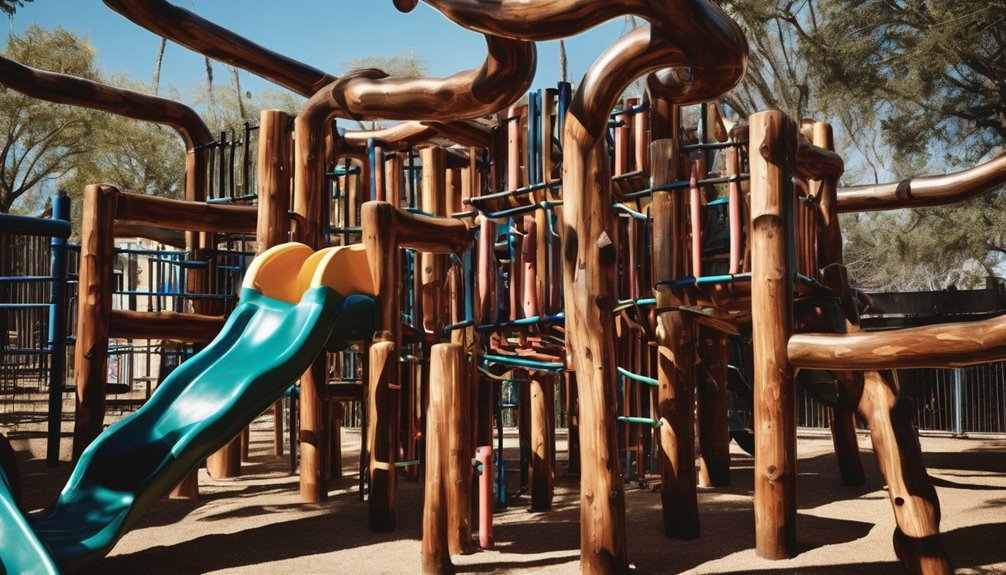
Choosing the right materials for a jungle gym hinges on durability, safety, and maintenance requirements. In this overview, you’ll compare wood, metal, and plastic by core properties, lifecycle costs, and practical performance. Wood offers natural aesthetics and solid stiffness, but you’ll need to monitor weathering, decay, and finish integrity to ensure wood durability. Metal delivers high strength and resilience with minimal flex, yet you must consider corrosion resistance, galvanic issues, and heat transfer affecting user comfort and safety. Plastic provides modularity, low maintenance, and smooth surfaces, though UV exposure and creep can impact long-term performance. For your decision, balance load expectations, climate exposure, and maintenance commitment. Understanding material characteristics helps you foster a sense of belonging through reliable, safe, and enduring play structures.
Safety Considerations for Each Material
To ensure safe play across materials, it’s important to examine how each option behaves under real-world use. You’ll want clear safety protocols tailored to wood, metal, and plastic, plus consistent checks after each session. Edge sharpness, corrosion exposure, and surface splinters matter, as does grip reliability on various Climbs. For emergencies, establish a plan that covers fall response and first-aid accessibility.
- Safety protocols: inspection cadence, hinge and bolt checks, and replacement criteria
- Emergency preparedness: portable kit, contact plan, and location-specific alerts
- Material-specific considerations: splinter risk, rust potential, and slip resistance
Durability and Longevity by Material
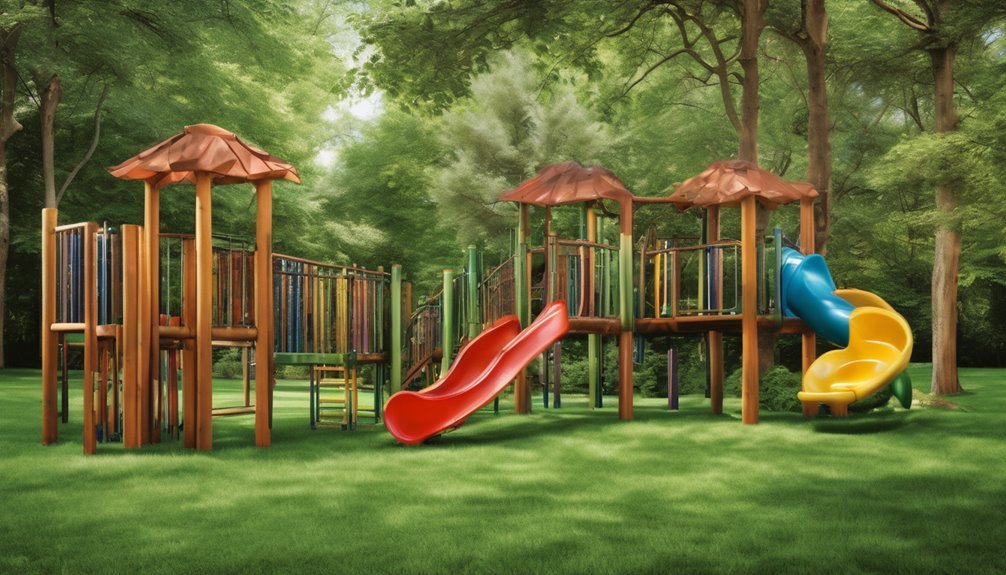
How durable each material is over time depends on its inherent properties and exposure conditions. You’ll assess wood, metal, and plastic by how they resist wear, deformation, and environmental stressors. Wood offers natural resilience but fluctuating moisture drives dimensional changes and potential decay; treated options improve longevity yet require monitoring for splits and grain checks. Metal provides high strength and rigidity, but corrosion, galvanic reactions, and coating wear govern its lifespan in outdoor settings. Plastic resists moisture and pests but can soften, creep, or crack under UV exposure and heat cycling; additives and color stabilizers influence performance. Across choices, beware durability myths and material fatigue, which can mislead expectations. Real longevity hinges on compatible design, appropriate protective finishes, and compatible exposure conditions that support consistent performance over time.
Maintenance and Upkeep Requirements
Regular maintenance hinges on consistent cleaning and systematic inspections to catch wear early. You should schedule routine cleaning and tighten or repair components as needed, promptly monitoring for weathering and coating integrity. Address issues while to preserve safety, performance, and the lifespan of wood, metal, and plastic configurations.
Cleaning and Inspection
Regular cleaning and systematic inspection are crucial for safe, long-lasting jungle gym performance. You’ll maintain structural integrity and user trust by sticking to a disciplined routine that respects cleaning frequency and inspection cadence. In practice, apply defined schedules, document findings, and act promptly on wear, looseness, or corrosion. Use site-appropriate cleaners, test hardware tightness, and verify footing and guardrails after heavy use. Avoid overlooking hidden fasteners or moveable joints, which often signal deeper issues. Establish a simple color-coded log to track tasks and results, reinforcing belonging through shared responsibility with your crew.
- Define cleaning frequency and inspection cadence to coordinate team effort
- Inspect hardware, joints, and post feet for movement or corrosion
- Record findings and remedial actions for accountability and continuity
Weathering and Coatings
Weathering and coatings are critical for extending outdoor jungle gym life, preserving structural integrity, and minimizing maintenance downtime. You should assess exposure, material type, and load cycles to tailor care without overdoing it. For weathering basics, understand how sun, rain, and temperature swings drive material degradation and influence fastener corrosion, fading, and surface cracking. Regular cleaning reduces abrasive buildup that accelerates wear prior to coating. Choose coating options that match your material: wood benefits from penetrating sealants and UV-blocking finishes; metal requires rust-inhibitive primers and corrosion-resistant topcoats; plastic thrives with flexible, impact-durable coatings that resist chalking. Apply per manufacturer directions, with proper surface prep and cure times. Schedule routine reapplication intervals, and monitor joints for looseness. Consistency reinforces safety, owner confidence, and community trust.
Installation and Space Planning Tips

Installing a jungle gym requires precise space planning and secure anchoring to guarantee safety and longevity; start by mapping a footprint that accounts for fall zones and clearance from nearby structures. You’ll optimize layout using measured setbacks, level ground, and accessible ingress points to minimize interruptions during use. Choose anchoring methods compatible with your surface, then verify load distribution and wind considerations for long-term stability. Regularly recheck clearances as you add accessories or rearrange modules, ensuring pathways remain unobstructed. Prioritize installation tips and space optimization to create a cohesive, inviting play area that feels like a natural extension of your home.
Installing a jungle gym demands thoughtful space use, secure anchoring, and deliberate clearance for long-lasting safety.
- Verify surface integrity, drainage, and anchor compatibility before assembly
- Align modules to maintain straight sightlines and safe fall zones
- Plan for future expansions with scalable attachment options
Cost Analysis Across Materials
Material costs vary by material—wood, metal, and plastic—so you’ll want a side-by-side comparison of upfront price, expected maintenance, and replacement frequency. You’ll also assess ongoing maintenance expenses vs. initial investment to gauge long-term value. This discussion will set the framework for comparing total cost of ownership across the three options.
Material Cost Differences
How do the material costs compare when building a jungle gym? You’ll find clear gaps that affect total investment and long‑term value. Wood typically starts cheaper upfront, but “wood cost” can rise with treatments, hardware, and replacements. Metal often carries a higher upfront price yet offers strong durability and lower maintenance in some environments. Plastic is generally the lowest initial outlay, but durability tradeoffs may increase long-term replacement needs. Understanding these dynamics helps you choose a setup that fits your budget and sense of belonging to a safer play space.
- wood cost: upfront price vs. ongoing treatment and replacements
- durability tradeoffs: longevity, weather resilience, and maintenance needs
- total ownership: factoring installation, protection, and end‑of‑life considerations
Maintenance Expense Comparison
Maintenance expenses vary by material and environment, impacting long-term ownership beyond upfront costs. You’ll compare ongoing costs, not just sticker prices, to choose a setup that fits your community needs and maintenance tolerance.
| Material | Typical annual maintenance cost |
|---|---|
| Wood | Moderate; seasonal sealing, inspection, minor repairs |
| Metal | Low to moderate; rust protection, coatings, fastener checks |
| Plastic | Low; UV stabilizers, joint wear, occasional replacement |
Table notes: maintenance cost hinges on exposure, cleaning frequency, and hardware quality. Replacement frequency correlates with material durability and climate. You’ll minimize total expense by selecting a surface with durable coatings, performing routine inspections, and scheduling timely refurbishments. This keeps your jungle gym safe, preserves aesthetics, and reinforces that sense of belonging within your play space.
Long-Term Value Assessment
Long-Term Value Assessment: When evaluating cost across materials, you should focus on total ownership costs over the system’s lifespan, not just upfront price. You’ll compare initial, maintenance, replacement, and disposal costs to determine which option yields the lowest lifetime expense. Consider wood vs metal durability under load and weather, maintenance cycles, and refinishing needs. For plastic vs resin, assess UV stability, color retention, and impact resistance over time. Factor in safety, warranty terms, and resale value as part of the total cost picture. A disciplined analysis reveals that the cheapest upfront choice often isn’t the most economical long term, and the choice that matches your climate and usage maximizes value.
- Total cost of ownership over time
- Material performance vs environmental exposure
- Warranty, maintenance, and resale implications
Weather and Climate Impacts on Each Option
Weather and climate shape each material’s performance, so understanding their impacts helps you choose wisely. You’ll compare wood, metal, and plastic for durability under shifting conditions, focusing on weather impact and climate considerations. Wood, treated or tropical, can suffer swelling, warping, or rot with humidity and freeze–thaw cycles, so choose species and coatings engineered for outdoor use. Metal offers strength but may corrode in salty or humid environments; galvanization and protective finishes mitigate rust, while de-icing chemicals accelerate wear. Plastic resists moisture but can deform under heat and UV exposure; UV stabilizers and color choices influence life span. Consider local rainfall, temperature range, and wind load when planning anchor points and maintenance. Align your choice with climate realities to maximize safety, performance, and community trust.
Aesthetics and Design Flexibility
Aesthetics often dictate how a play structure fits your space, but design flexibility determines how well it will endure over time. You’ll evaluate how materials support evolving themes, not just current looks. Material choice affects maintainability of aesthetic trends and compatibility with color palettes, enabling cohesive integration with your yard or neighborhood. Wood offers natural warmth that ages gracefully with subtle changes; metal delivers clean lines that adapt to modern palettes; plastic supports bright, long‑lasting hues but may limit certain finishes. Consider modularity for future reconfigurations, so you can refresh visuals without a full rebuild. This mindset helps you cultivate a shared, belonging‑driven space.
- Adaptable modules support evolving aesthetic trends
- Color palettes should be extendable across accessories
- Finite component options maintain consistent design language
Age Appropriateness and Activity Suitability
How do you ensure a play structure matches the ages and activities of its users? You, your family, and caretakers should align design with age appropriateness and activity suitability to optimize safety and engagement. Materials, spacing, and feature height must reflect user capabilities, while accessibility supports inclusive use. Regular assessment of supervision needs and skill progression confirms suitability over time. Table below guides rhythm and clarity in decision-making.
| Age Range | Typical Activities | Key Considerations |
|---|---|---|
| Toddlers | Climbing, basics | Low height, guardrails |
| Early elementary | Swinging, ladders | Moderate height, grips |
| Older children | Complex routes | Path clarity, fall zones |
| Teens | Challenging elements | Structural load, maintenance |
| All ages | Cooperative play | Universal design features |
Smart Buyer Questions to Ask Before Purchase
When you size up a jungle gym, focus on Key Inquiry Metrics like safety certifications, load ratings, and material durability to ensure long-term performance. Be aware of Selection Pitfalls to Avoid, such as overestimating space, neglecting maintenance needs, or chasing aesthetics over structural integrity. This framework helps you compare options quickly and make a purchase that align with your setup and budget.
Key Inquiry Metrics
Key inquiry metrics cut to the core of value and safety: what you need to know before buying a jungle gym. You’ll assess compatibility, construction quality, and after-sales support with precision. Two word discussion ideas: source traceability, regulatory compliance—these frame risk and long-term stability. You want clear, verifiable evidence of materials, finishes, and fastener standards, plus documented testing results. Compare warranty scope, maintenance requirements, and installation guidance to ensure predictable performance. Accessibility, future expansion, and safety updates should be explicit in the metrics you demand.
- Material provenance and finish certification
- Compliance documentation, test results, and warranty terms
- Installation guides, maintenance schedules, and upgrade pathways
Selection Pitfalls to Avoid
Selecting a jungle gym without clear guardrails can undermine the very Value and safety metrics you already asserted. To avoid selection pitfalls, you’ll ask disciplined questions before purchase: What are the load ratings and age recommendations? Are you evaluating total footprint, modular expandability, and repairability? Probe material specs for weather resistance, corrosion, and splinter risk. Verify assembly integrity, fastener quality, and warranty terms—these are procurement pitfalls that cost time and money if overlooked. Consider maintenance cadence, replacement part availability, and compatibility with existing accessories. Cross-check safety standards, certification marks, and user feedback on real-world use. Finally, confirm vendor support, delivery timelines, and return policies. With these checks, you ensure a durable, compatible fit for your family and environment.
Frequently Asked Questions
How Do You Compare Installation Time Across Materials?
Installation time varies by material: wood tends to require longer setup because of joinery and curing, metal usually installs quicker with pre-fabricated components, and plastic is fastest if molded sections arrive ready-to-assemble. You’ll notice material wear over time can influence ongoing fit and reassembly effort. To compare, track labor hours, fastening methods, and any surface prep, then normalize for suspension and safety checks. This gives you a precise, comparable timeline across materials.
Which Material Is Most Recyclable at End of Life?
Aluminum and recycled steel typically top recyclability at end of life, though plastic and treated wood vary. You’ll want to weigh recyclability factors like material purity, processing ease, and contamination risk. In practice, metal frames excel in reuse and reclaimability, while plastics often face downcycling hurdles. Consider end of life considerations such as availability of take-back programs and certifications. You’ll maximize sustainability by selecting materials with clear recycling pathways and minimal hazardous additives.
Are There Hidden Maintenance Costs Not Covered?
Yes, there can be hidden maintenance costs you should anticipate. You’ll encounter ongoing maintenance fees for coatings, periodic inspections, and replacement parts that aren’t obvious at purchase. These hidden costs accumulate if you neglect rust, joint wear, or hardware corrosion. Regularly budgeting for protective treatments, weatherproofing, and component refreshing helps you maintain safety and value. By planning ahead, you avoid surprise repairs and keep your setup welcoming and reliable for everyone in your group.
How Do Coatings Affect Child Safety and Grip?
Coatings impact both coating safety and grip performance. You should expect slip resistance to improve with properly chosen, non-slip formulations, while toxic or degraded finishes can compromise child safety. Regular inspection keeps grip steady as coatings wear; look for peeling, chalking, or cracking. For playgrounds, choose UV-stable, low-VOC finishes that maintain tactile feel. Maintain consistent grip by avoiding slick residues, and recoat when performance declines to preserve safety and a sense of belonging.
Do Warranties Differ by Material Type or Manufacturer?
Yes, warranties can differ by material type and manufacturer. You’ll want to compare warranty scope across options, since coverage may vary for wood, metal, and plastic components. Look for exclusions, duration, and what’s considered workmanship versus product failure. You’ll also want to assess manufacturer liability in cases of rust, cracking, or coating wear. If you prioritize accountability, choose a warranty that clearly defines repair or replacement obligations and aligns with your expectations for long-term safety.