
You’ll see safety built in from the start, with evidence-based design standards, durable materials, and steadfast testing that prove playground systems perform under real-world use. The process prioritizes Design Standards and Compliance, Material Selection for Durability and Safety, Impact Absorption and Surface Engineering, and Structural Engineering with Load Testing. Corrosion resistance, environmental protection, and sturdy Fasteners, Connectors, and Assembly Methods are integrated with precise Quality Control, Inspection Protocols, and Traceability. Ongoing sustainability and lifecycle planning guide every step, and more awaits if you continue.
Design Standards and Compliance for Playground Equipment
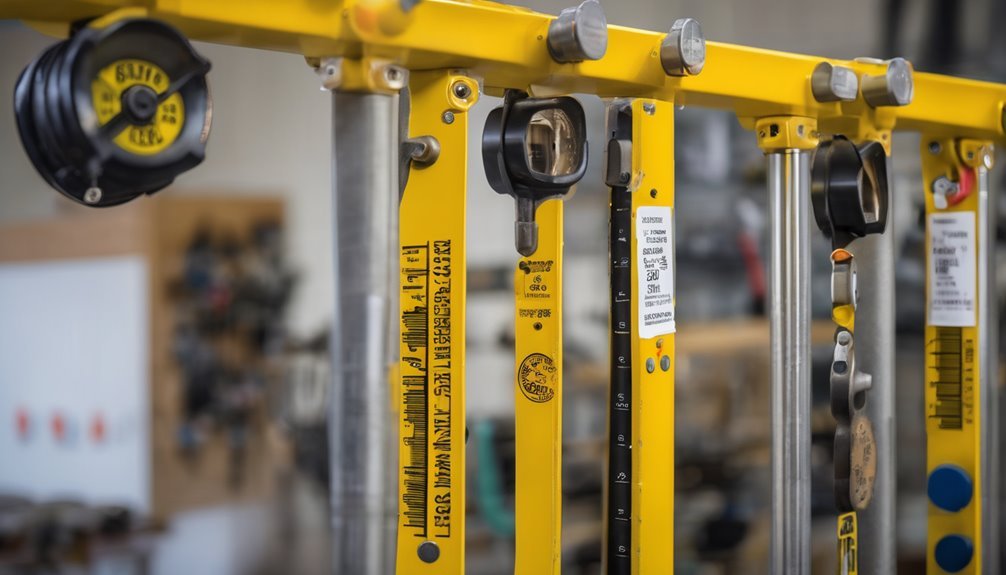
Design standards and compliance for playground equipment are indispensable to ensure child safety and reliable performance. You’ll align every design choice with established codes, testing protocols, and independent certifications, reducing risk and enhancing trust. By tracking compliance benchmarks, you demonstrate responsible stewardship and clear accountability to families and regulators. Sustainability metrics guide material selection, manufacturing processes, and end‑of‑life considerations without compromising safety. Consider lifecycle cost early to balance initial quality with long‑term durability and maintenance needs. Manufacturing safety remains non‑negotiable: guardrails, pinch‑point protection, and verified welds matter. Regulatory approvals provide external validation, while ergonomic considerations support inclusive use. A thorough risk assessment informs decisions around loads, clearances, and accessibility, complemented by transparent material sourcing practices. You build confidence by documenting standards alignment and audit readiness throughout the process.
Material Selection for Durability and Safety
You’ll start with material durability standards to ensure long-term performance under normal playground use. Safety-focused selection criteria guide choices that minimize injury risk, emphasizing tested profiles and verifiable data. Consider corrosion and wear resistance as essential factors, supported by conservative, evidence-based assessments aligned with current standards.
Material Durability Standards
How durable must playground materials be to ensure safety and longevity in real-world use? You seek trustworthy guidance, so you’ll anchor decisions to durable-by-design standards. Material durability standards define performance thresholds across load, impact, weather, and wear, guiding every material choice from coatings to fasteners. You’ll rely on documented requirements, repeatable testing, and transparent criteria to minimize risk and extend boardings’ useful life. Durability testing is planned, reproducible, and aligned with recognized test methods, ensuring results reflect real use, not optimistic lab conditions. You’ll account for material aging, anticipating degradation over time under field conditions, and require documentation of aging resistance for each component. This disciplined approach builds user confidence, fosters informed procurement, and supports safe, inclusive play environments for communities.
Safety-Focused Selection Criteria
What safety-focused criteria guide material selection to balance durability with risk reduction from the outset? You approach this with a clear framework: design criteria that prioritize performance under use, environmental exposure, and user interaction. You undertake a systematic risk assessment to identify potential hazards and failure modes, then map those findings to material properties, joining methods, and finish systems. Your choices favor non-toxic, low-allergen materials, with edge detailing and smooth transitions to minimize pinch or snag risks. You rely on independent test data, standards alignment, and supplier certifications to ensure consistent quality. Documentation and traceability matter, enabling accountability and ongoing improvement. In family- and community-centered settings, you reinforce confidence that every component supports safe play and durable service life.
Corrosion and Wear Resistance
Corrosion and wear resistance form a core safety and durability concern in material selection for playground equipment. You’ll prioritize materials with proven corrosion resistance and wear resistance, ensuring long-term performance in diverse environments. Evidence-based choices reduce maintenance cycles and safeguard user safety, aligning with standards and testing practices. By selecting durable alloys, coated steels, or corrosion-resistant polymers, you minimize rust, pitting, and surface degradation that could lead to injuries. Regular validation through independent testing supports responsible decision-making and community trust. The following quick table highlights essential properties to consider.
| Material | Corrosion resistance | Wear resistance |
|---|---|---|
| Steel with coating | High | Moderate |
| Aluminum alloys | Excellent | Low–Moderate |
| HDPE plastics | Moderate | High |
Impact Absorption and Surface Engineering
Impact absorption and surface engineering are critical to playground safety, ensuring that energy from falls is managed effectively and that surface wear doesn’t compromise performance. You’ll find that compliant materials, tested under standardized protocols, consistently reduce injury risk without sacrificing usability. Our approach combines validated impact absorption metrics with durable surface engineering, aligning with national and international guidelines. By selecting responsive substrates, you gain predictable performance under diverse conditions, from heat to moisture. Regular inspection routines confirm material integrity, while surface engineering techniques minimize abrasive wear and maintain traction. In practice, this means safer play zones that feel reliable and inclusive for families, educators, and caretakers. You belong to a community that prioritizes evidence-based choices, transparency, and ongoing improvement in safety standards.
Structural Engineering and Load Testing
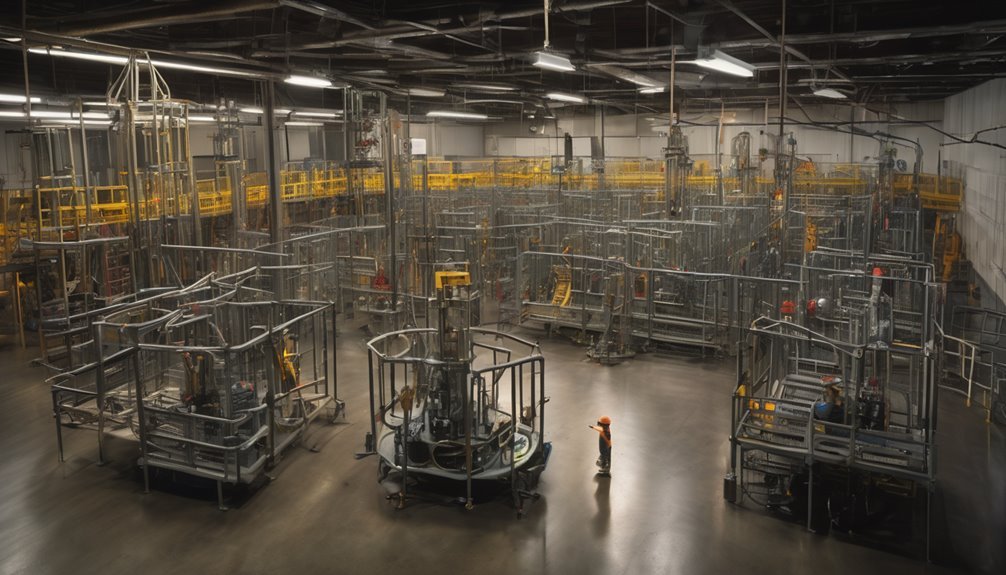
You’ll start with clear, standardized criteria for Load Testing Methods and Structural Integrity Protocols to establish a defensible baseline. The discussion should emphasize evidence-based procedures, traceability, and compliance with applicable safety standards. We’ll outline how testing data informs design decisions, risk reduction, and ongoing maintenance requirements.
Load Testing Methods
How are load testing methods used to verify the structural integrity of playground equipment? You assess certified designs against real-world use, applying controlled loads that represent children, sliders, and climbers. You follow a documented plan, selecting load magnitudes, rates, and modes that reflect standards and safety margins. You perform static tests to confirm baseline strength, then dynamic load assessment to capture impact, vibration, and multi-point interactions. You record data with calibrated sensors, compare results to analytical predictions, and document any deviations for corrective action. You prioritize traceability, repeatability, and conservative acceptance criteria. You communicate findings clearly to teams and stakeholders, reinforcing a shared commitment to safety, reliability, and compliance with applicable codes. This disciplined approach builds confidence and belonging in your safety-centered community.
Structural Integrity Protocols
Structural Integrity Protocols integrate confirmed engineering practices with rigorous load testing to ensure playground equipment meets safety, reliability, and code requirements. You’ll follow standardized procedures that emphasize repeatable results and documented substantiation, so every component demonstrates predictable behavior under normal and extreme use. You can trust testing protocols that quantify stresses, displacements, and connection performance, reducing the risk of structural failures. Our approach prioritizes conservative assumptions, traceable data, and independent verification to support continual improvement and user confidence. You’ll see clear criteria for material selection, fabrication quality, and assembly tolerances, all aligned with applicable standards. This disciplined process strengthens safety culture, clarifies responsibilities, and fosters belonging among designers, builders, and operators who share a commitment to durable, compliant playgrounds.
Corrosion Resistance and Environmental Protection
Corrosion resistance and environmental protection are fundamental considerations in playground equipment design and manufacturing. You pursue a risk-averse, evidence-based approach, aligning with standards to minimize long-term maintenance and safety concerns. Your corrosion assessment informs material selection, coatings, and protective strategies that withstand moisture, salts, and temperature fluctuations. You document exposure scenarios, corrosion rates, and inspection intervals to ensure predictable performance. Environmental sealing is applied to joints, housings, and fastened interfaces where water ingress could compromise structure or coatings. You emphasize compatibility between substrates and coatings, avoiding galvanic coupling and premature failures. By validating protective measures through testing and third-party certification, you build trust with users who value safety and reliability. Clear records support ongoing monitoring, timely repairs, and consistent protection across environments and ages.
Fasteners, Connectors, and Assembly Methods
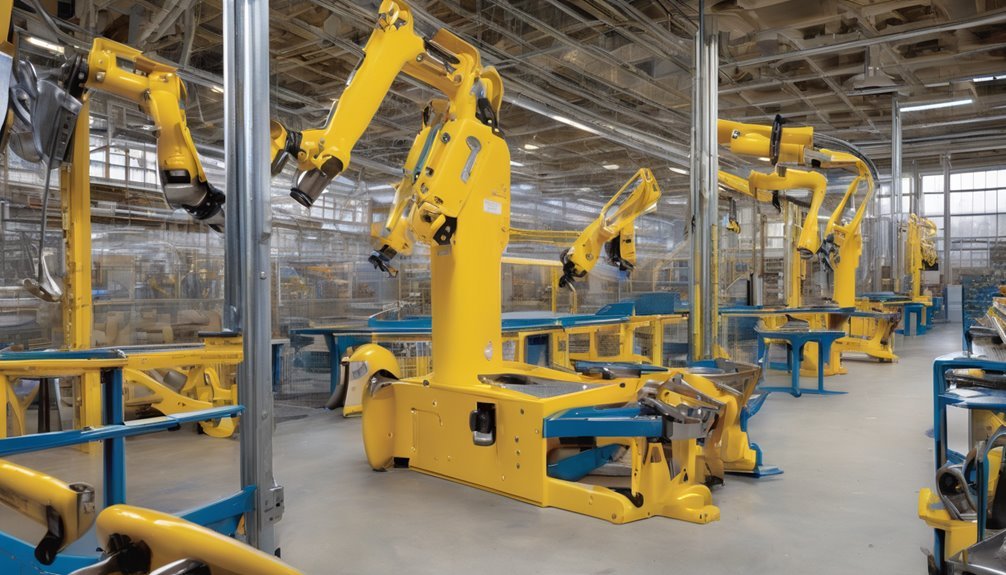
Fasteners, connectors, and assembly methods are selected to meet load, durability, and safety requirements while minimizing risk of failure. You’ll rely on proven fasteners selection principles, matched to loads, environment, and maintenance expectations, ensuring long-term performance. Connectors reliability comes from standardized interfaces, compatible materials, and proper installation practices that prevent loosening, corrosion, or fatigue. Assembly methods emphasize repeatability, traceability, and verification steps that support safe playground operation. You’ll find comfort in evidence-based decisions, clear documentation, and alignment with applicable standards, reducing uncertainties for families and operators alike.
- Material compatibility and corrosion resistance
- Proper torque, seating, and self-locking practices
- Verification, labeling, and documented assembly steps
Quality Control, Inspection Protocols, and Traceability
How do you guarantee playground safety across every step of production and use? You implement rigorous quality control and documented inspection protocols, integrating traceability from raw material to finished product. You follow recognized standards, validate processes, and maintain objective criteria for every component. You perform statistical sampling, dimension checks, and non-destructive testing where appropriate, ensuring compliance before any release. You record results transparently, enabling root-cause analysis and rapid corrective action. You require supplier oversight, clear calibration schedules, and ongoing worker training to reduce human error. You establish traceability for lot numbers, batch histories, and inspection milestones, so any issue can be tracked to its origin. You communicate findings clearly to stakeholders, reinforcing trust and a shared commitment to safety.
Sustainable Manufacturing and Lifelong Durability
Sustainable manufacturing and lifelong durability must be built into every stage of production, from material selection to end-of-life considerations, as durable playground equipment reduces environmental impact and long-term maintenance costs. You’ll conform processes with validated standards, emphasize recyclability, and minimize waste through design-for-disassembly. Evidence-based choices guide material sourcing, coating systems, and fastener compatibility to prevent corrosion and failure. Lifelong durability isn’t luck—it’s engineered reliability, verified by ongoing testing, traceability, and supplier oversight. Your team prioritizes safety margins, predictable performance, and compliant documentation. Together, these practices support sustainable manufacturing and enduring value for communities.
- Clear material provenance and lifecycle data
- Durable, low-maintenance coatings and connections
- End-of-life planning and recycling pathways
Frequently Asked Questions
How Are Playgrounds Tested for Real-World Weather Wear and Tear?
Playgrounds are tested through controlled weather simulations and real-world field trials, measuring wear under sun, rain, freeze-thaw, humidity, and wind. You’ll see standardized cycles for UV exposure and corrosion, plus impact and surface friction tests. This evidence-based approach assesses weather resilience and material longevity, ensuring safety commitments. By following rigorous standards, you gain confidence that equipment endures diverse climates, encouraging belonging and trust in communities that value durable, well-supported play environments.
What Happens During Emergency Maintenance and Quick-Field Repairs?
During emergency maintenance, you promptly isolate the affected area, assess risk, and implement temporary reductions in load while securing with approved fasteners and barriers. For quick field repairs, you follow standard procedures, use certified parts, document the issue, and verify compatibility with safety standards. You test function and stability before reopening, ensuring ongoing weather resistance and user safety. This approach minimizes hazards, supports trust, and reinforces a sense of belonging through transparent, evidence-based actions.
Do Playgrounds Adapt for Accessibility Beyond Basic Compliance?
Yes, playgrounds increasingly adapt for accessibility beyond basic compliance, focusing on accessible design and inclusive features that invite everyone to participate. You’ll find multi-sensory elements, transfer platforms, and ground-level activities designed to reduce barriers. Standards-based planning emphasizes risk-averse, evidence-backed choices—tilt-free surfaces, clear pathways, and consistent independent access. You’ll feel a sense of belonging as you experience inclusive features that support varied abilities, whereas safety data guides ongoing improvements and equitable playground use.
How Is Child User Feedback Incorporated Into Design Updates?
You incorporate child user feedback through structured, iterative design cycles, prioritizing safety and inclusivity. You collect observations, adjust features, then test for usability, documenting outcomes as evidence-based decisions. You’ll emphasize accessibility milestones and clear, measurable standards to show progress. You consider diverse voices, cultivate belonging, and you rely on customer feedback to validate improvements. You repeat this iterative process, ensuring each update aligns with safety guidelines, risk assessments, and regulatory requirements.
What Training Do Installers Receive for Safe Assembly Practices?
Installer training emphasizes safe assembly practices, including step-by-step safety checks, fall-protection awareness, and hazard communication. You’ll learn validated methods, proper tool calibration, and how to verify ballast, fasteners, and anchor points meet standards. Courses stress risk assessment, supervision, and adherence to manufacturer instructions. You’ll gain confidence through documented procedures, checklists, and real-world scenarios, fostering a sense of belonging to a safety-conscious team. This evidence-based approach reduces incidents and supports ongoing professional development.