
Start with a quick, calm scan: check surface padding for wear, gaps, or bare spots; look for loose mulch, cracking rubber, and clear paths. Inspect equipment for loose parts, rust, sharp edges, or wobbling joints, and tag anything unsafe. Note boundary edges, gates, and nearby hazards like traffic or driveways. Move slowly, test edges, and mark tripping risks. Keep routes clear and repairs timely. Keep this checklist handy—there’s more to help you stay safe and informed.
Common Playground Hazards to Watch For
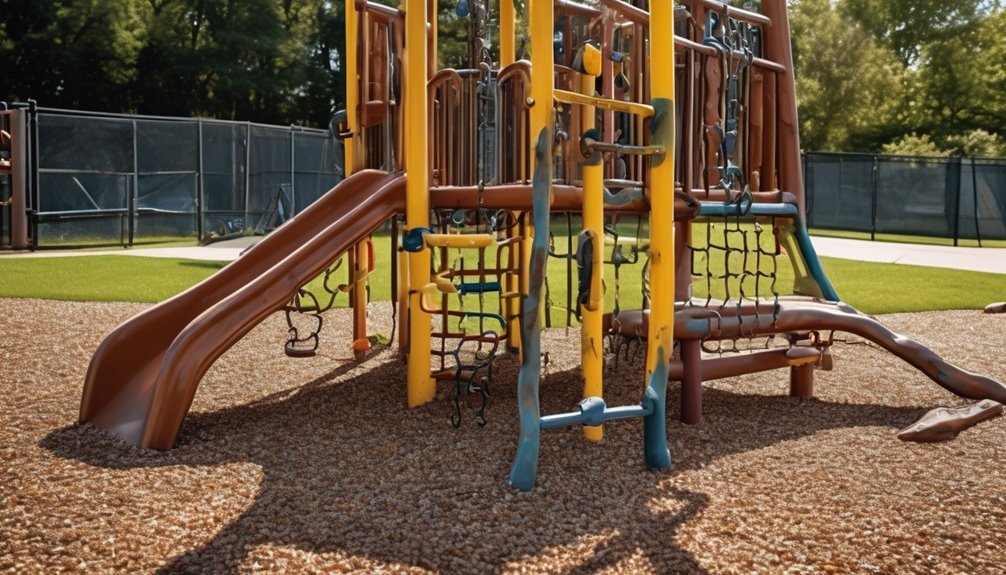
Playgrounds can hide hazards that aren’t obvious at first glance. You step closer with a careful eye, noting how surface material wears and where roots push through. Common hazards lurk beneath your toddler’s favorite slides and swings, so you scan for loose bolts, cracked panels, and sharp edges that could snag clothes or skin. You also check for protruding hardware, rusting metal, and splinter-prone wood that scream for attention. In terms of playground maintenance, you prioritize timely repairs and routine cleaning: fill gaps in mulch, rake gravel smoothly, and keep pathways clear. You verify all signage is readable and safety rules are posted. Your aim is prevention, clarity, and belonging—so every visit feels secure for every child.
How to Inspect Equipment for Loose Parts and Rust
Start by giving the equipment a careful visual and tactile check for any loose parts or rust. You scan joints, bolts, screws, and fasteners for looseness, stiffness, or wobbly movement, noting any gaps or gaps in coating. With your hands, feel rails, pedals, and handles for rough edges, burrs, or flaking paint that signals rust or wear. In your rust inspection, look for orange-brown staining, pitting, or scale along seams and brackets. Confirm that protective covers sit flush and replace any missing caps. Record findings with a calm, precise voice to empower others. If you detect looseness or rust, tag the item and cordon it off until repaired. This approach builds trust, promotes safety, and reinforces a shared commitment to every child’s well-being.
Surface Safety: What to Look For and Why It Matters
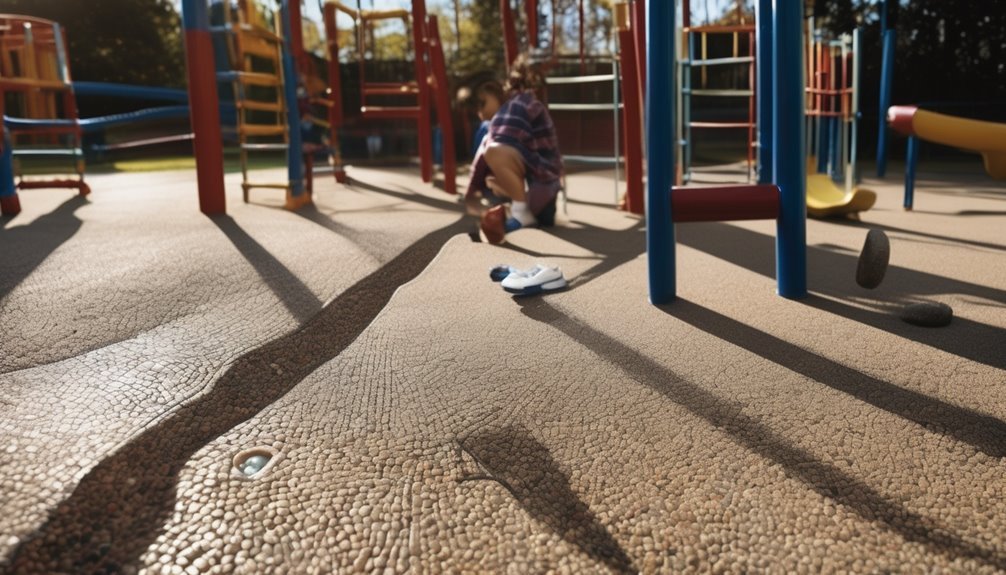
After you’ve checked for loose parts and rust, turn your attention to surface safety. You’ll want a playground that cushions falls and reduces injuries, not just looks tidy. Assess the surface padding under and around equipment for uniform depth, compression, and integrity. Look for bare spots, gaps, or worn areas that expose hard surfaces. If padding shifts, tears, or settles unevenly, it’s time to repair or replace. Consider how the surface performs during impact testing—does it bounce back, or linger with a dull feel? A well-kept surface supports confidence and belonging.
Ensure uniform, intact padding under and around equipment for safer, confident play.
- Check surface padding depth, condition, and uniform coverage
- Look for worn, torn, or displaced padding and resecure as needed
- Review recent impact testing results and address gaps promptly
Hidden Tripping Hazards Around the Playground
Hidden tripping hazards can lurk in plain sight, so scan as you move and note every irregularity that could trip a footstep or snag a shoe. You’re building playground awareness by steady, purposeful observation: walk slowly, crouch, test edge turns, and track surface transition changes. Marked changes—uneven pads, protruding bolts, loose mulch, and cracked rubber—go into your mental checklist next to sturdy edges and clear sightlines. Keep paths tidy, footwear ready, and belongings secured to prevent late surprises. Your approach is practical, calm, and inclusive, inviting others to join without feeling judged. Together, you create safer play spaces where belonging grows from careful care and collective vigilance.
| Observation | Action |
|---|---|
| Uneven surfaces | Note and report |
| Protrusions | Mark and address |
| Loose materials | Remove or secure |
Safe Play Area Check: Boundaries and Nearby Dangers
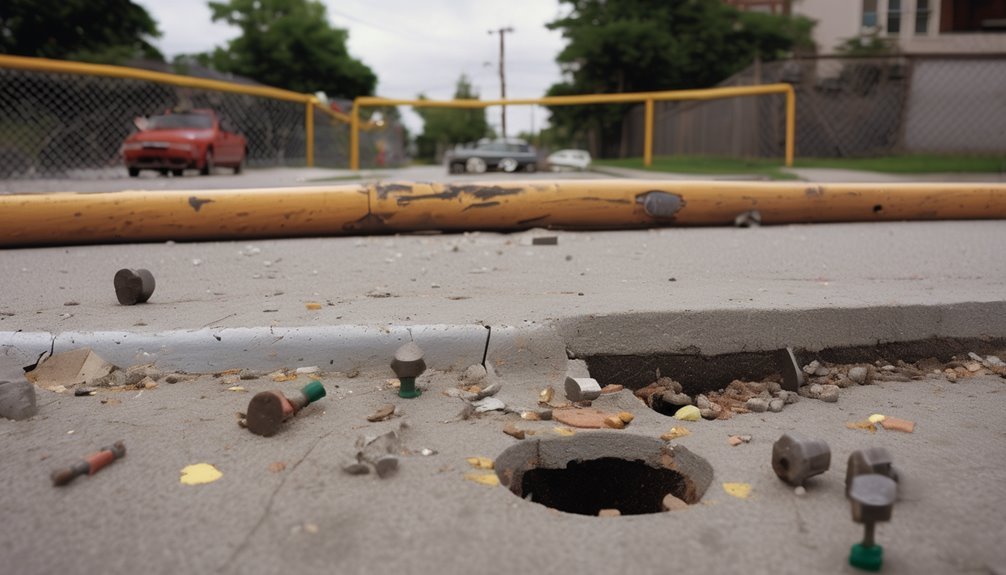
Boundaries matter: are there clear edges between the play area and surrounding zones, plus any nearby hazards that kids might wander into? You’ll assess visibility, fencing, and gate security to prevent unintended exits. Boundaries awareness means you notice small gaps, overgrown plants, or uneven thresholds that invite drift. Scan for parked cars, driveways, street crossings, and low-hanging branches that tempt curious feet. Nearby dangers require prioritizing safe routes to and from the structure, shade, and seating away from traffic. Your goal is a self-contained zone that invites outdoor play without intrusion from outside risks.
1) Check edge integrity and gate latch reliability to minimize escapes.
2) Map clear safe pathways from the gate to playground features.
3) Note any external hazards like traffic, utilities, or hazards beyond the boundary.
Quick, Everyday Checks You Can Do in Minutes
Quick, everyday checks you can do in minutes: you can walk the play area, scan every surface for obvious hazards, and verify that safety features are intact. You’ll notice loose bolts, chipped coatings, and protrusions with a careful, methodical eye, then address them calmly. These quick checks become everyday tips that invite confidence and belonging, not fear. Below is a simple table you can reference on the fly, as you stroll with your child, neighbors, or caring group.
| Area | What to look for | Immediate action |
|---|---|---|
| Ground | Gaps, loose mulch | Refill or alert |
| Surfaces | Splinters, cracks | Note and replace |
| Railings | Stability, rust | Tighten or replace |
| Swings | Chain wear | Inspect and secure |
| Entrances | Clear path | Remove debris |
When to Report Hazards and Make a Plan to Stay Safe
If you spot a hazard, report it to the park staff or authorities right away and note the time, location, and what you observed. Then, outline a simple Safe-Plan for your kids, including what to avoid, safer alternatives, and a backup activity. Keep your family informed, so you know exactly what to do if hazards recur or the situation changes.
When to Report Hazards
When should you report a hazard? You report a hazard as soon as you notice it, even if you’re unsure it’s serious. Quick reporting helps others stay safe and shows you’re organized and responsible, part of a community that looks out for one another. Use clear details: location, what happened, and any injuries or risks. Then follow up with a plan to prevent recurrence, tying into emergency planning and communal care.
- Report immediately for issues that could cause injury or worsen quickly.
- Notify staff or park authorities if the hazard isn’t your responsibility.
- Document actions taken and dates, so others know the status and next steps.
Safe-Plan for Kids
Spot hazards early and make a plan so kids stay safe. You observe the equipment, ground, and flow of play, noting cracked surfaces, loose bolts, and wet patches. If you spot risk, you pause, log details, and decide who to tell. Your safe plan includes immediate actions: restrict access, document with photos, and mark the area with clear signs. Next, you determine escalation: if repairs aren’t underway, you contact facility staff, local authorities, or your park district, following their reporting channels. Communicate calmly with kids, explaining safety steps and why limits exist. Reinforce routine checks before every visit, rotating responsibility so everyone participates. A well-structured approach supports kids safety and builds trust, ensuring your community values shared, proactive care.
Frequently Asked Questions
How Often Should I Rotate Playground Equipment Usage by Age Group?
You should rotate playground equipment usage by age group every 30 to 60 minutes, adjusting for energy levels and weather. This rotation frequency helps keep activities safe and engaging. Plan an age appropriate scheduling that alternates stations so younger kids aren’t overtaxed by older peers. You’ll notice smoother transitions when you label zones and communicate clearly. By coordinating turns, you create belonging and reduce crowding, while maintaining safety and enjoyment for every child.
What Tools Are Best for Documenting Hazard Reports Effectively?
You’ll want simple, reliable tools: digital forms on a shared device and a concise notebook for quick notes. For documenting hazard reports effectively, focus on clear documentation methods and standardized reporting templates so everyone can follow the steps. Use checklists to capture location, type, and severity, plus photos for context. Choose templates that feel inclusive and easy to use, fostering belonging as you log, track, and resolve issues together.
How Can I Involve Kids in Identifying Safety Concerns Safely?
Yes—you can involve kids safely by turning observations into collaborative checks during playground activities. You guide them to note hazards with simple, concrete prompts, like “spot any loose screws” or “feel if rails wobble,” while you verify and document together. Use kid-friendly roles, highlight kids safety priorities, and celebrate accurate findings. Keep sessions short, praise careful reporting, and share results openly to cultivate belonging as you protect everyone during playground activities and beyond.
Are There Seasonal Hazards Specific to Winter or Rain?
Yes—seasonal hazards show up in winter rain. You’ll notice slick, leaf-blanketed surfaces, puddles hiding uneven ground, and frozen equipment grips that snag gloves. Inspect before you walk, test footing, and avoid areas with pooling water. Bring a flashlight after dusk, and treat salt or sand for traction. Watch for exposed bolts or rust. You’ll feel safer when you document risks, involve kids in simple checks, and plan safer routes together.
What Signage Is Essential for Immediate Safety Communication?
You should implement essential signage: clear signage color coding and hazard pictograms placed at eye level. You’ll communicate immediate safety because bold colors flag hazards, while simple icons convey universal meaning. Ensure you include directional arrows for exits, wet floor alerts, and equipment warnings. Use concise wording, high contrast, and durable materials. This approach helps you feel you belong in a safe, caring space where everyone understands the rules and looks out for one another.