
Soft play equipment works by combining thoughtful design with crucial safety features to create a welcoming space for kids to explore. Bright colors and engaging shapes invite play as they promote physical development and social skills. Safety standards guarantee non-toxic materials and impact absorption, minimizing injury risks. Regular maintenance preserves hygiene and durability, cultivating a nurturing environment. This supportive setting allows children to express themselves creatively through imaginative play. There’s so much more to uncover about its benefits and impact on your child’s development.
Key Takeaways
- Soft play equipment is designed with bright colors and engaging shapes to encourage exploration and imaginative play among children.
- The equipment promotes physical development by enhancing gross motor skills through activities like climbing, jumping, and crawling.
- Safety features, including impact-absorbing materials and non-toxic fabrics, ensure a secure environment for children during play.
- Regular maintenance and safety inspections are conducted to uphold industry safety standards and prevent potential hazards.
- Soft play areas foster social interaction, creativity, and teamwork, allowing children to engage in collaborative and imaginative play scenarios.
The Design of Soft Play Equipment
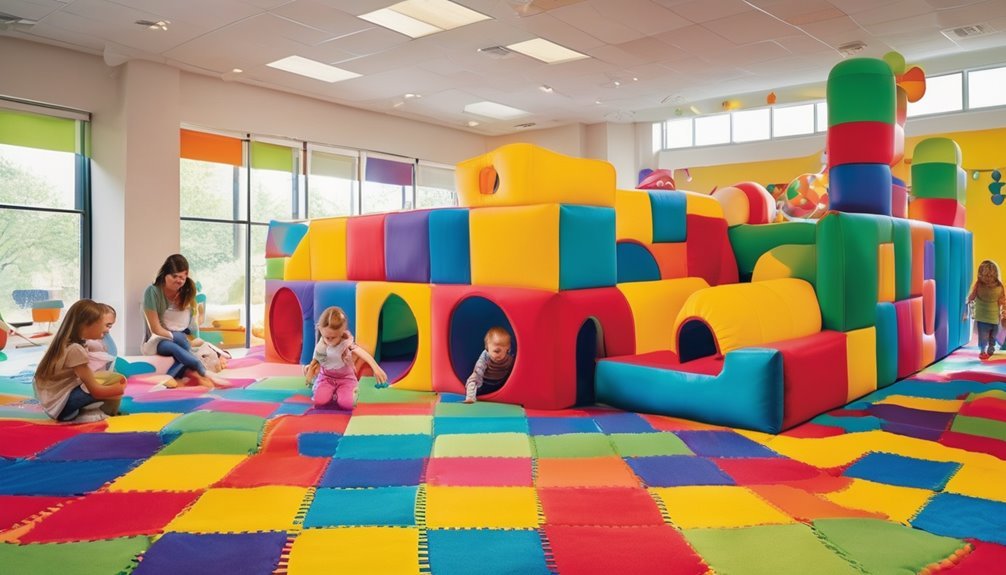
When you step into a soft play area, you might not realize the thought that goes into the design of the equipment surrounding you. The design aesthetics play an essential role in creating an inviting atmosphere that encourages exploration and play. Bright colors and engaging shapes draw children in, nurturing a sense of belonging as they traverse the space. But it’s more than just looks; the user experience is carefully crafted to guarantee safety and accessibility for all children. Each piece of equipment is designed to promote physical development whilst also prioritizing emotional well-being. By comprehending these elements, you can appreciate how thoughtfully created environments cultivate connections and joy among children, allowing them to thrive in shared play experiences.
Key Components of Soft Play Structures
When considering soft play structures, you’ll notice several key components that contribute to their effectiveness and safety. Comprehending the various safety features, material types, and design variations can help you make informed decisions for your space. Let’s explore how these elements work together to create a fun and secure environment for children.
Safety Features Explained
While soft play equipment is designed for fun and exploration, safety features are crucial for ensuring a secure environment for children. You’ll find that each structure undergoes regular safety inspections to identify and address potential hazards. These inspections help maintain the integrity of the equipment, ensuring that your little ones can play without worry. Furthermore, effective emergency protocols are in place, providing clear guidance on how to respond in case of an incident. This commitment to safety not only promotes a sense of belonging among parents and caregivers but also allows children to participate freely in play. By prioritizing these features, soft play areas create a nurturing atmosphere where everyone can enjoy peace of mind.
Material Types Used
Safety features are only part of what makes soft play areas enjoyable and secure for children. Comprehension of the materials used is equally important. Different foam types are employed in soft play equipment, such as polyethylene and polyurethane, ensuring comfort and safety during play. These foams are designed to absorb impact, making them ideal for energetic play. Furthermore, the fabric durability is vital; high-quality, tear-resistant materials are used to cover the foam, providing a sturdy surface that withstands wear and tear. This combination of reliable foam and durable fabric not only improves the play experience but also encourages a sense of belonging and security, allowing children to explore and interact freely within a safe environment.
Design Variations Overview
Comprehending how design variations in soft play structures function can greatly improve a child’s play experience. These structures combine design aesthetics with functionality balance, ensuring not just fun but likewise safety and involvement.
- Colorful Themes: Bright colors attract and stimulate children’s imaginations.
- Varied Textures: Different surfaces encourage sensory exploration.
- Safety Features: Rounded edges and cushioned materials minimize injury risks.
- Interactive Elements: Incorporating slides, tunnels, and climbing walls promotes physical activity.
- Flexible Layouts: Modular designs allow for customization, adapting to various spaces.
Safety Features and Standards
When it pertains to soft play equipment, comprehending safety features and standards is essential for ensuring a safe environment for children. You’ll want to be aware of industry safety standards, material safety regulations, and equipment age requirements that guide the design and use of these structures. By keeping these factors in mind, you can help create a playful space that prioritizes safety and enjoyment.
Industry Safety Standards
During enjoying soft play equipment, you might not realize just how stringent the industry safety standards are that protect users. These standards guarantee that everyone can play safely and have fun without worry. Here’s what you should know:
- Safety certifications are mandatory for all equipment.
- Compliance regulations vary by region but aim for universal safety.
- Equipment is regularly tested for durability and non-toxicity.
- Manufacturers must provide clear guidelines for setup and maintenance.
- Ongoing inspections are crucial to uphold safety standards.
Understanding these elements promotes a sense of community and trust, knowing that proper measures are in place. Your experience in soft play areas is safeguarded, so you can focus on the joy of play, surrounded by others who share a love for fun and safety.
Material Safety Regulations
Though you might be focused on the fun, grasping material safety regulations is essential for guaranteeing that soft play equipment is not only enjoyable but likewise safe. Recognizing the importance of material durability and safety certifications can give you peace of mind.
| Feature | Importance | Certification Needed |
|---|---|---|
| Non-toxic Materials | Protects children’s health | ASTM F963 |
| Impact Absorption | Reduces injury risk | EN 1177 |
| Fire Resistance | Prevents fire hazards | ISO 11925-2 |
| Durability | Guarantees long-lasting use | ISO 14001 |
When you choose equipment that meets these regulations, you cultivate an environment where children can explore, learn, and grow safely together. Your commitment to safety helps everyone feel like they belong.
Equipment Age Requirements
Grasping material safety regulations lays the foundation for discussing equipment age requirements. Comprehending age restrictions helps guarantee that children interact with soft play equipment that’s appropriate for their development. Here are some key points to reflect on:
- Equipment is designed with specific age groups in mind.
- Manufacturers often label suitable age ranges for safe use.
- Adhering to these guidelines prevents accidents and injuries.
- Age restrictions promote social interaction among peers.
- Regular checks can help maintain equipment safety standards.
Benefits for Physical Development
During engaging with soft play equipment, children experience numerous benefits for their physical development. These activities improve gross motor skills, as climbing, jumping, and crawling help strengthen muscles and enhance coordination. As they maneuver through various structures, they learn to balance and control their movements, which is crucial for their overall physical health. Additionally, soft play cultivates social skills; when kids play together, they learn to share, negotiate, and communicate effectively. This interaction not only promotes teamwork but also builds confidence in their physical abilities. Ultimately, soft play equipment creates an inclusive environment, allowing children to connect and thrive as they develop vital physical skills that lay the foundation for a healthy, active lifestyle.
Encouraging Imaginative Play

As children build their physical skills on soft play equipment, they simultaneously access a world of imaginative play. This environment nurtures imaginative exploration, allowing kids to participate in creative storytelling as they invent scenarios and characters. Here’s how soft play supports their creativity:
- Diverse Play Structures: Each piece invites unique narratives.
- Role-Playing Opportunities: Kids can act out various roles, from superheroes to explorers.
- Social Interaction: Collaborating with peers improves storytelling depth.
- Sensory Experiences: Different textures and colors stimulate the imagination.
- Safe Environment: Freedom to experiment without fear encourages bold creativity.
In this playful setting, children learn to express themselves and form connections, making soft play not just a physical outlet but an essential space for social belonging and creative development.
Maintenance and Care for Soft Play Equipment
Though soft play equipment provides a safe and stimulating environment for children, proper maintenance and care are vital to guarantee its longevity and safety. Establishing regular cleaning routines is fundamental; this verifies that the equipment remains hygienic and free from germs. Consider using non-toxic cleaners to protect your little ones during their play. Furthermore, scheduling routine equipment inspections helps identify wear and tear before it becomes a safety issue. These inspections can cultivate a sense of community, as parents and caregivers work together to maintain a safe space. By investing time in maintenance, you not only extend the life of the equipment but also create a nurturing environment where everyone feels welcomed and secure.
Frequently Asked Questions
What Age Groups Are Soft Play Areas Suitable For?
Soft play areas are like nurturing gardens for toddlers’ development, ideally suited for ages 0 to 6. They meet safety standards, providing a secure space where little ones can explore, socialize, and grow with confidence.
How Much Space Is Needed for Soft Play Equipment?
You’ll need adequate space, typically around 1,000 to 2,500 square feet, depending on the layout considerations of your soft play equipment. This guarantees safety and allows children to explore freely during nurturing a sense of belonging.
Can Soft Play Equipment Be Customized for Specific Themes?
Yes, you can customize soft play equipment with custom designs and themed structures. This personalization creates an inviting atmosphere, nurturing a sense of belonging for children, making their play experience more engaging and memorable.
How Do I Choose the Right Soft Play Supplier?
When choosing a soft play supplier, remember: “You get what you pay for.” Check their reputation, prioritize equipment safety, and make certain they correspond with your vision. A reliable supplier cultivates a sense of community and belonging.
Are There Any Indoor/Outdoor Restrictions for Soft Play Equipment?
Yes, there are restrictions. Indoor safety standards emphasize softer materials and fewer hazards, whereas outdoor durability requires weather-resistant materials. You’ll want to choose equipment suited for each environment to guarantee a safe, enjoyable experience for everyone.