
Exporting play from Bengaluru hinges on a regulator-driven, safety-first approach. You’ll see design-for-safety and ergonomics shaping concepts early, with durable, child‑focused construction that minimizes pinch points and tamper-resistance. Rigorous QA and traceability back every material, test, and supplier to auditable records. Certification journeys map to ISO, EN, and ASTM pathways, while transparent packaging, labeling, and after-sales plans support global compliance. If you keep exploring, you’ll uncover the exact steps fueling international approvals.
Safety-Driven Innovation in Bengaluru’s Toy Sector

Is Bengaluru’s toy sector driving safety-forward innovation that meets global standards? You’re stepping into a landscape where regulatory rigor guides every decision, and you feel the assurance of compliance in every design choice. You’ll notice how safety-driven innovation shapes product concepts from the ground up, prioritizing risk assessment, traceability, and consistent documentation. You’ll engage with ergonomic testing early in development, ensuring that form, fit, and function align with international comfort and accessibility expectations. Material sourcing becomes a governance point as you verify supplier certifications, sustainability claims, and material compatibility with child-safety regulations. This approach builds trust with partners and regulators alike, reinforcing a shared commitment to safe play. Belong here, where precise standards meet practical, scalable solutions.
From Raw Materials to Finished Play: Quality Assurance Processes
Quality assurance in play product development begins at the sourcing table and extends through final packaging, with each step mapped to verifiable standards. You’ll implement a rigorous, globally minded QA framework that emphasizes traceability, risk assessment, and documented conformity, so every stakeholder trusts the process. From raw materials to finished play, you’ll enforce clear checkpoints, supplier collaboration, and continuous improvement loops, all while upholding sourcing ethics and regulatory alignment. Vendor audits become a core habit, ensuring supplier capabilities meet safety, labeling, and performance criteria. You’ll maintain auditable records, test data, and nonconformance responses that demonstrate accountability to regulators and customers alike.
Quality assurance in play product development ensures traceable, compliant, end-to-end quality from sourcing to packaging.
- Traceable supply chain maps showing origin, handling, and storage
- Preproduction material qualification with standardized testing
- Final product verification through end-to-end quality checks
Aligning With ISO, EN, and ASTM: Global Standards Roadmap

A framework of compliance forms the backbone of your export-ready play products, guiding you through ISO, EN, and ASTM requirements with clear, actionable milestones. You’ll align risk management, labeling, and documentation to global expectations, ensuring harmonized quality across markets. Detail-oriented planning shapes ergonomics optimization, so every interactive element supports user comfort and safety without compromising efficiency. Material sourcing becomes traceable, with supplier audits and verifiable certificates embedded in the supply chain. EN and ISO standards cue you to modular designs, robust fasteners, and clear threshold limits for impact, bite, and foul-weather performance. ASTM benchmarks sharpen performance metrics, helping you demonstrate conformity in audits and declarations. This roadmap fosters belonging—partners and regulators see your commitment to universal safety, compliance discipline, and sustained, responsible growth.
Rigorous Testing Lab Practices and Compliance Checks
Rigorous testing lab practices and compliance checks tighten the seams between design intent and real-world safety, ensuring your export-ready products meet the full spectrum of international expectations. You’ll follow strict protocols, validate performance, and document results, so regulators and customers alike see your commitment to safety. This approach isn’t optional; it’s a competitive necessity that signals reliability, quality, and consistency across markets. By integrating concurrent testing, calibration, and traceability, you reduce risk and improve manufacturability, scalable for global demand. Your teams align to accepted standards, maintaining audit-ready records and clear nonconformity resolutions. Ultimately, rigorous testing and compliance checks protect brand integrity while easing market entry and post-sale confidence.
- Visualize a lab where every measurement mirrors a global standard exactly.
- Picture a metadata trail that proves every component’s provenance and performance.
- Envision a regulatory-ready package your customers trust at first sight.
Transparent Supply Chains: Traceability and Accountability
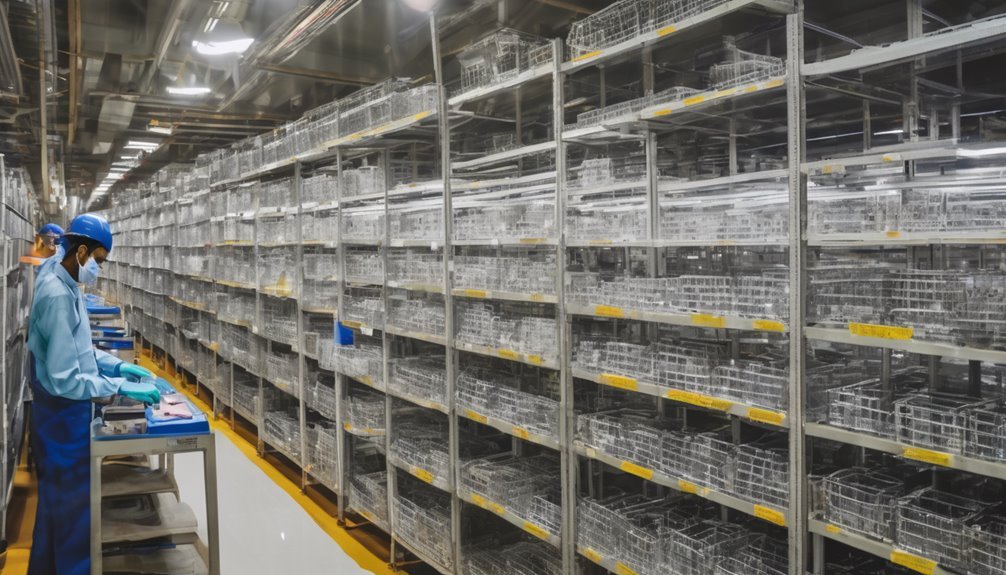
You’ll explore traceability protocols that map materials from source to shelf, ensuring each step aligns with international safety and labor standards. Accountability frameworks will be central, detailing roles, responsibilities, and remedies across suppliers, manufacturers, and distributors. Transparent audit trails will support verifiability, enable rapid corrective actions, and bolster trust with regulators and global partners.
Traceability Protocols
Traceability protocols are the backbone of transparent supply chains, ensuring every step from sourcing to final delivery is documented, verifiable, and auditable. You’ll align with global standards, enabling rapid verification during audits and smoother regulatory reviews. By integrating standardized data schemas, you’ll create a single, auditable narrative across suppliers, manufacturers, and logistics partners, reducing ambiguity and risk. Your approach emphasizes proactive risk assessment, batch-level tracing, and immutable records that survive relocations or system changes. This mindset supports cross-border confidence and collaborative growth, inviting partners to join a compliant ecosystem.
1) Map each tier of your supply chain with timestamps and lot numbers.
2) Implement regular supplier and facility audits, recording findings transparently.
3) Use tamper-evident technologies to safeguard data integrity.
Accountability Frameworks
Accountability frameworks bind traceability to action, ensuring that every stakeholder in the supply chain is identifiable, responsible, and answerable for compliance outcomes. You’ll adjust contracts, standards, and escalation paths with clear roles, reducing ambiguity across borders. In practice, safety governance becomes a lived obligation, not a checkbox; you map governance structures to concrete decisions, approvals, and corrective measures. Risk assessment informs ongoing monitoring, enabling proactive responses to potential failures before they erupt. You’ll integrate supplier due diligence with internal controls, so performance signals translate into timely interventions, training, or supplier development. At the same time, transparency remains purposeful—sharing outcomes with regulators, customers, and workers to reinforce trust. This globally minded approach reinforces belonging, accountability, and consistent safety performance across diverse markets.
Transparent Audit Trails
How can you guarantee visibility across every link of the chain whilst meeting global safety standards? Transparent audit trails empower you to prove compliance through traceability systems that capture each handoff, decision, and result. You’ll align documentation with international norms, converting scattered notes into an auditable narrative that regulators trust and partners respect. When audit findings surface, you’ll respond with speed, accuracy, and accountability, closing gaps before they widen. This approach strengthens supplier integrity, reduces risk, and reinforces your reputation for reliability in a global market.
- Visualize each step as a labeled checkpoint, from raw materials to finished goods, with immutable timestamps.
- Correlate supplier certifications, production logs, and inspection results to create a cohesive story.
- Archive findings and corrective actions in a centralized, secure repository accessible to stakeholders.
Design for Safety: Ergonomics, Durability, and Child-Centricity
You’ll balance ergonomics with safety to minimize risk during use, ensuring every dimension supports correct posture and easy, enforceable compliance with international standards. Durability isn’t just about longevity; it requires traceable materials and sturdy joints that withstand varied climates and regulatory testing. Your child-centric approach centers on intuitive interaction, age-appropriate design, and a user-centric durability strategy that keeps safety at the forefront from concept through end-of-life.
Ergonomics for Safety
Could ergonomics really be the deciding factor in safety outcomes for products destined for international markets? You’ll see how precise safety ergonomics shape every touchpoint—from graspability to control interfaces—ensuring compliance across borders. A rigorous ergonomics assessment identifies misalignments before samples reach labs, reducing costly redesigns and accelerating approvals. By centering human factors, you align with global standards and foster user confidence, inviting trust from partners and communities worldwide. You’ll translate regulatory expectations into tangible, repeatable practices that elevate product safety and user satisfaction.
- Clear handle angles that fit varied grip sizes, preventing slips and strain.
- Intuitive controls with obvious haptic feedback, reducing misoperation.
- seating and posture considerations that support sustained, safe use across ages.
Durable, Child-Focused Design
Durable, child-focused design translates safety into longevity by prioritizing rugged construction, tamper-resistance, and age-appropriate use scenarios from the outset. You’ll align every component with international standards, ensuring durability prioritization across materials, fasteners, and assemblies that endure field handling and transport stresses. In practice, you assess pediatric-grade tolerances, gripping surfaces, and guard geometries to reduce pinch points while maintaining ease of maintenance for technicians worldwide. Compliance hinges on documenting performance data, material declarations, and test protocols that verify child ergonomics without compromising durability. You’ll incorporate modular, tamper-evident features that deter unauthorized modification while supporting lifecycle servicing. This approach communicates responsible manufacturing and fosters trust among buyers seeking predictable safety outcomes across markets, reinforcing a shared commitment to inclusive, compliant play environments.
User-Centric Durability Strategy
User-Centric Durability Strategy integrates ergonomic insight with rugged construction to meet international safety mandates in real-world use. You’ll balance child ergonomics with durable materials, ensuring products fit small hands while resisting wear. This approach reduces risk across borders, aligning regulatory expectations with end-user dignity and trust.
- You design grips, hinges, and surfaces for extended play, minimizing pinch points and sharp edges.
- You select durable materials that endure temperature, moisture, and impact without compromising safety or recyclability.
- You validate usability across ages and cultures, confirming clear labels, intuitive assembly, and consistent performance in diverse environments.
Certification Journeys: Navigating International Approvals
Certification journeys aren’t a straight path; they’re a structured process of demonstrating compliance, testing, and documentation that align with each country’s safety and performance standards. You’ll map regulatory gaps early, so you know which standards apply to your product category. With a global mindset, you assess certification pathways across markets, prioritizing where mutual recognition exists and where unique local criteria matter. You’ll assemble technical dossiers, risk assessments, and test reports that withstand audit scrutiny, all while maintaining transparent traceability for regulators and customers alike. This approach reduces delays, clarifies ownership of compliance tasks, and strengthens collective confidence in your brand. In Bangalore and beyond, consistent documentation, proactive liaison with notified bodies, and iterative testing empower you to build trust and expand your reach.
Collaborations That Elevate Safety Benchmarks
Collaborations that elevate safety benchmarks begin where certification journeys leave off: by weaving together industry, regulators, and standardization bodies to create a shared path to compliance. You’ll discover how robust safety partnerships translate every guideline into actionable practices, aligning operations with global expectations while preserving local context. In this ecosystem, collaboration benchmarks become tangible, measurable steps rather than abstract ideals. You’re invited to engage in ongoing dialogues, ensuring audits reflect real-world risk management and continuous improvement.
1) A Multi-Stakeholder Forum that harmonizes regulatory interpretations, test protocols, and certification criteria, reducing duplication and accelerating approvals.
2) Joint Industry-Government R&D pilots that validate safety controls under diverse conditions, strengthening reliability across markets.
3) Cross-Border Compliance Councils that standardize documentation, traceability, and incident reporting for consistent global adoption.
Export Readiness: Packaging, Labeling, and After-Sales Support
Export readiness hinges on packaging, labeling, and after-sales support that meet international expectations during preserving local practicality. You align processes by validating packaging compliance across borders, ensuring materials, durability, and tamper-evidence meet global norms while honoring Bengaluru’s logistical realities. Your labeling clarity communicates safety, usage instructions, and export documentary data in local languages plus universally understood terminology, avoiding ambiguity. Regulatory diligence means pre-emptive checks: harmonized product codes, country-specific warnings, and expiration or safety icons, all documented for audits. After-sales support becomes a cornerstone of trust, with clear service promises, warranty terms, and accessible fixtures for international customers. This approach fosters belonging—distributors feel confident partnering with you, suppliers see predictable demand, and end users sense dependable, compliant playtime with respect for global standards.
Frequently Asked Questions
What Markets Require Rapid Approval Timelines for Toy Exports?
Rapid approvals are common in markets like the EU, UK, and parts of North America, where export timelines require stringent compliance checks. You’ll find emphasis on standard conformity and rapid clearance for toy exports. South Korea, Japan, and Singapore also push for expedited processes to stay competitive. By aligning your safety certifications, you ensure you meet rapid approvals, minimize delays, and sustain reliable export timelines that support global trust and inclusive market access.
How Do Bengaluru Firms Manage Post-Market Vigilance Abroad?
Post market vigilance is how Bengaluru firms monitor abroad after launch, ensuring safety notices, recalls, and quick corrective actions. You’ll implement robust incident reporting, harmonized with international standards, to maintain export credibility. By tracking field feedback, you’ll adjust designs, labeling, and packaging to prevent recurrence. This global approach signals trusted compliance, fosters customer confidence, and strengthens market access. You’ll collaborate with regulators and partners, sharing data transparently to sustain long-term goodwill and continuous improvement.
Which Safety Standards Are Most Challenging for Indian Toy Exporters?
The most challenging safety standards for Indian toy exporters are those with stringent testing, labeling, and traceability requirements across jurisdictions. You’ll face tightening certification timelines and potential noncompliance penalties if any step slips. Navigating evolving EN/ISO/KD standards, CPSIA, and EU toy safety rules demands meticulous documentation and supplier audits. You’ll feel a sense of belonging by aligning internal processes, harmonizing quality systems, and communicating transparently with buyers and regulators worldwide.
What Is the Cost Impact of Compliance for Small Manufacturers?
Compliance costs a small manufacturer bears can be substantial but manageable. You’ll encounter upfront fees for certifications, testing, and facility audits, plus ongoing surveillance and documentation costs. Cost implications vary by product risk, volume, and target markets, yet scale helps: larger orders dilute per-unit expenses. For small manufacturers, partnerships, phased certifications, and external labs can reduce burden. You’ll gain credibility, access to global buyers, and long-term resilience by prioritizing compliant practices and budgeting for audits from the outset.
How Do Recalls and Warranty Claims Affect Export Credibility?
Recalls and warranty claims impact export credibility by signaling product reliability you’ll protect through rigorous QA, traceability, and timely remediation. You’ll establish clear recall procedures, fast root-cause analyses, and transparent communications to regulators and customers. Documented recall impact metrics and proactive warranty claims management show you’re globally responsible, compliant, and customer-centered. This strengthens trust, reduces market disruption, and demonstrates governance that appeals to partners seeking belonging in a safety-focused, standards-driven ecosystem.