
You’ll weigh space constraints, branding needs, and maintenance realities to decide between custom design and modular sets. Custom design delivers branding cohesion, bespoke layouts, and in-depth site integration, but can raise design budgets and extended timelines. Modular sets offer speed, predictable costs, and easier maintenance with interchangeable parts, while potentially limiting unique branding. Consider hybrid solutions for branding and terrain fit. If you keep exploring, you’ll learn how to balance interfaces, safety, and lifecycle needs for your project.
Assessing Your Space and Site Constraints

Assessing your space and site constraints sets the foundation for any playground project. You’ll evaluate available footprint, grade, drainage, and sun exposure to shape feasible layouts. Consider required setbacks, utility lines, and jurisdictional accessibility rules that govern design and safety. Space planning informs equipment density, circulation paths, and containment zones, ensuring compliant use by children and caregivers. Measure clearance around every element to avoid pinch points and trip hazards while preserving sightlines for supervision. Inspect site access for delivery routes, staging areas, and emergency access, aligning with local codes. Document environmental constraints, such as soil stability or flood risk, and plan appropriate mitigation. Clear, data-driven decisions reduce rework and accelerate approvals, helping your community feel confident in the project’s practicality and inclusivity.
Custom Design Advantages for Branding and Cohesion
Your playground design can establish brand-consistent visuals that align with your district’s identity. A custom approach enables a cohesive narrative across equipment, colors, and signage, reinforcing recognition and trust. By prioritizing standardized elements, you ensure clear, durable branding across all user touchpoints.
Brand-Consistent Visuals
Brand-consistent visuals matter as cohesive branding across a playground project reinforces recognition and trust. You’ll align design decisions with the client’s brand identity, ensuring every element supports a unified message. A deliberate color palette anchors spaces, guiding user flow and signaling function to caretakers and councils alike. When you select materials, finishes, and signage, you’ll reference established brand standards so consistency isn’t accidental but intentional. You’ll document the visual system, including typography, iconography, and color usage, to prevent drift during procurement and installation. This clarity reduces change orders and strengthens stakeholder confidence. By prioritizing uniform visuals, you create belonging—neighborhoods seeing their brand echoed in playgrounds, facilities, and wayfinding, which reinforces trust and ongoing collaboration.
Cohesive Playground Narrative
A cohesive playground narrative ties branding to everyday use, turning a collection of features into a connected story that residents experience from entry to experience. You’ll foster design language, materials, and wayfinding so every element reinforces a shared identity, engaging belonging through consistent cues and rituals. In custom design, you manage design challenges head-on, ensuring each feature supports the brand while serving safety and accessibility. Material scoring guides decision‑making, prioritizing durability and maintenance predictability without dulling user engagement. The result is a legible sequence: arrival, orientation, interaction, return.
| Brand cue | Functional outcome |
|---|---|
| Color, typography, iconography | Instant recognition and trust |
| Materials, textures | Perceived quality and safety |
Benefits of Modular Sets: Speed and Adaptability
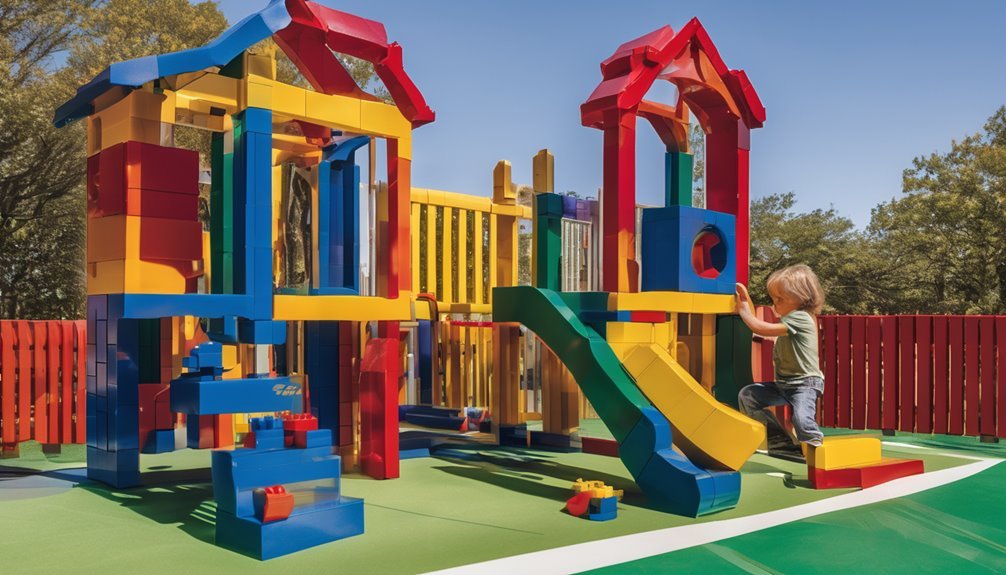
Are modular sets really faster to deploy and easier to adapt on the fly? Yes. When you choose modular sets, you gain predictable timelines, standardized components, and clear assembly steps, reducing ambiguity on site. You’ll move from planning to installation with fewer delays, because modules arrive pre-certified and fit together through proven interfaces. Adaptability follows: you can reconfigure layouts quickly as needs change, without redesigning the core structure. This approach supports efficient resource allocation, clearer responsibilities, and transparent milestones, all critical to stakeholders who value belonging and dependable outcomes. In practice, modular maintenance becomes straightforward, since components are interchangeable and accessible for servicing. You’ll also benefit from quick customization when client requirements evolve, preserving safety and quality while meeting deadlines and budget constraints.
Safety, Compliance, and Maintenance Considerations
How can you ensure safety, meet regulatory requirements, and maintain play structures effectively across both modular and custom designs? You’ll apply rigorous safety audits and clear maintenance planning to every design choice. For modular systems, verify compatibility with current standards, inspect connection points, and document component lifecycles. For custom builds, demand design-for-safety reviews, material testing, and robust fall zone calculations. Establish ongoing maintenance planning that schedules inspections, surface testing, and component replacements before wear degrades performance. Adhere to jurisdictional codes, keep certifications up to date, and maintain transparent records for owners and operators. Prioritize user accessibility, predictable maintenance cycles, and swift corrective actions. This approach builds trust, protects users, and creates a sense of belonging through reliable, compliant playground experiences.
Budgeting Across Custom and Modular Approaches

Budgeting for playground projects requires a clear, comparable framework that unites custom design and modular approaches. You’ll arrive at a transparent cost structure by separating design budgeting from installed components, enabling apples-to-apples comparisons. Begin with core needs, then map constraints to outcomes, so every dollar aligns with safety, accessibility, and user experience. For custom design, anticipate higher design budgeting due to bespoke engineering, site surveys, and qualified labor. For modular costs, leverage standardized components, faster deployment, and reduced site disruption, which often yield lower contingency buffers. Build a single lifecycle view: initial construction, ongoing maintenance, and potential upgrades. Document assumptions, quantify risks, and set milestones tied to approvals. This disciplined approach supports informed decisions, reinforces accountability, and fosters belonging through predictable, compliant project delivery.
When to Mix: Hybrid Solutions for Flexible Playgrounds
Hybrid solutions shine when flexibility matters most: you mix custom elements with modular components to adapt to evolving site constraints, user needs, and budget realities. You’ll assess hybrid feasibility by mapping safety standards, installation timelines, and maintenance implications against project goals, then determine where bespoke detail delivers value without compromising reliability. Use modular kits for standard playground zones, while reserving custom features to align with local branding, terrain, and sightlines. This approach supports inclusive access, sight-distance requirements, and jurisdictional approvals, ensuring predictable risk management. Brand integration matters: harmonize color palettes, finishes, and signage across components for a cohesive identity that fosters belonging. Document interfaces, load paths, and warranty terms clearly, so stakeholders trust the mixed system as durable, compliant, and adaptable to future needs.
Frequently Asked Questions
What Resale Value Do Custom vs. Modular Playgrounds Hold?
Custom resale tends to be higher for well-made, durable playframes with timeless design, whereas modular resale benefits from flexible configurations and easy upgrades. You’ll typically see stronger value retention with custom designs that reflect unique needs, but modular systems attract buyers seeking lower upfront costs and scalable layouts. In jurisdictions with safety and accessibility standards, maintaining documentation boosts both. Plan for long-term maintenance, warranties, and local demand to maximize custom resale and modular resale potential.
How Do Maintenance Cycles Compare Long-Term for Each Option?
Maintenance cycles are similar long-term, but nuances differ. You’ll find modular sets often require predictable maintenance cadence because standardized components, simplifying scheduling and part replacement. Custom designs may demand longer intervals between inspections if higher-grade materials are used, yet specialized parts can extend or complicate cycles. You should build a documented cadence that tracks wear, ensuring part replacement occurs before failures. You’ll gain consistency, control, and belonging by following a transparent, jurisdictional-compliant maintenance plan.
Can Modular Sets Be Reconfigured After Installation?
Yes, modular sets are reconfigurable structure after installation. You can adjust layouts to accommodate aging users or new safety standards, leveraging modular flexibility to reframe play zones. You’ll reassemble components, swap panels, and reposition platforms without tearing down the entire system. This approach supports ongoing inclusion and belonging, stays within code when properly documented, and ensure your playground remains accessible and compliant as needs evolve.
Do Customization Options Affect Warranty Coverage?
Customization can affect warranty coverage, so you should check with the manufacturer for specifics. If you alter components or installation beyond approved specs, you may lose warranty protection. However, we aim to provide you with clarity and belonging: choose options that stay within documented customization impact guidelines, keep receipts, and ensure certified installers. By confirming compliant modifications, you protect warranty coverage while enjoying tailored features that fit your playground’s needs.
What Training Is Required for Site Staff on Upkeep?
You should ensure staff receive formal training for upkeep, including documented refreshers, before opening, and ongoing supervision. Training upkeep requirements vary by jurisdiction, but you’ll typically need hands-on maintenance modules and safety procedures, plus completion verification. Achieve staff certification through recognized programs, maintain records, and schedule periodic audits. You’ll benefit from clear roles, ongoing competency checks, and accessible guidance. This approach reinforces safety, confidence, and belonging, showing you’re committed to reliable, compliant care for every playground user.