
To design a neighborhood park that truly connects people, start with flexible gathering spaces that adapt to crowds, weather, and events, using modular furniture and clear sightlines. Create kid-friendly zones aligned with developmental needs and safety, plus safe, accessible pathways with ADA-ready features. Ground programming in data—track participation, dwell time, and feedback—while partnering with local cultural groups for rotating events. Ensure shade, wind breaks, and restorative seating. If you keep exploring, you’ll uncover practical steps and benchmarks.
Designing Flexible Gathering Spaces
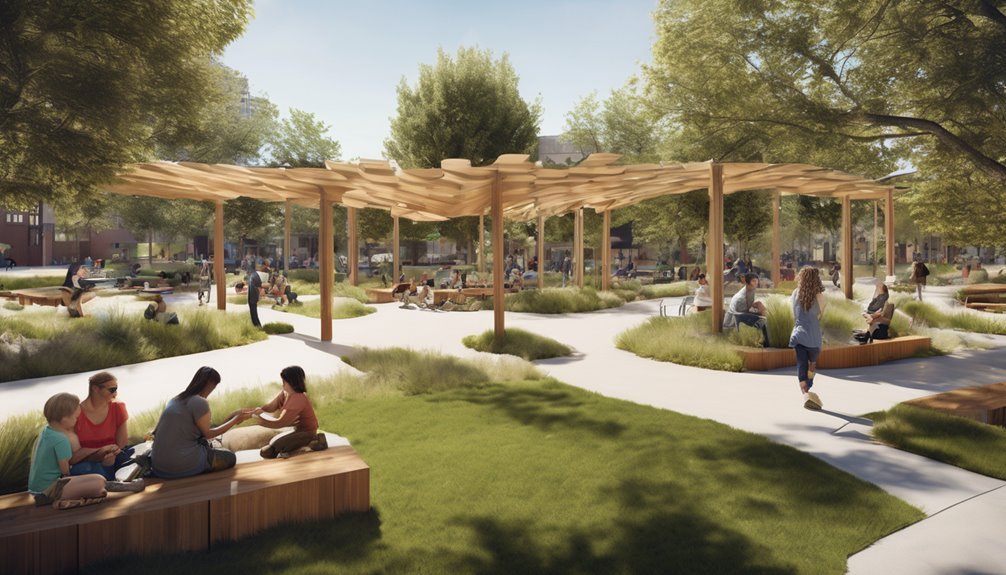
Designing flexible gathering spaces starts with understanding how people actually move, use, and adapt under varying conditions. You’ll observe flow patterns, seating use, and shade demand across different times and events, then translate findings into responsive layouts. Consider flexible seating that can reconfigure into intimate clusters or open, mingling areas, supporting both conversation and presentation. Flexible seating, combined with adaptable spaces, lets you shift capacities without structural changes, maximizing utility during rain, heat, or crowds. Use modular furniture, clear sightlines, and accessible routes to foster inclusion and ease of use for diverse groups. Pair data-driven insights with a collaborative design process, inviting neighbors to test prototypes and refine arrangements until the park genuinely feels like a place you belong.
Creating Kid-Friendly Zones
How can we design play spaces that kids naturally gravitate to whereas ensuring safety and inclusivity? You’ll shape kid-friendly zones by aligning play value with developmental needs and parental reassurance. Analyze usage data from similar parks to identify peak times, crowd patterns, and preferred features, then prototype modular areas that adapt over time. Prioritize playground safety through durable surfacing, visible sightlines, and clear age divisions, while preserving inclusivity with universally accessible equipment. Integrate child friendly amenities like shaded seating for caregivers, hydration stations, and intuitive wayfinding. Use color, texture, and sound to stimulate exploration without overwhelming senses. Collaborate with families, educators, and therapists to refresh zones based on feedback and observation, ensuring spaces feel welcoming, safe, and capable of fostering belonging for every child.
Ensuring Safe and Accessible Pathways
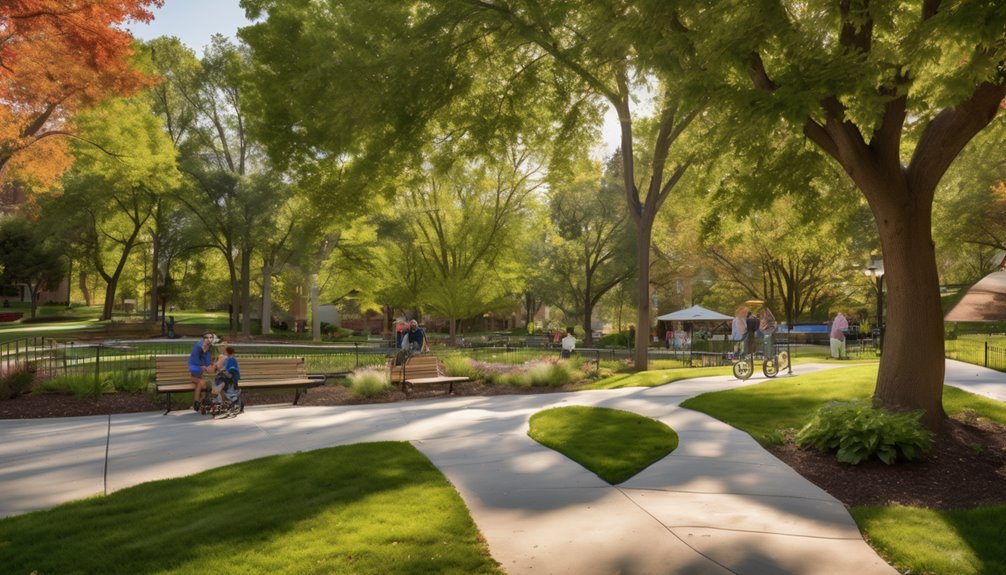
You’ll map clear and continuous routes that minimize detours and exposure to hazards, using data on pedestrian flow and congestion to guide layout choices. We’ll incorporate ADA-accessible design details from the start, ensuring slope, surface, signage, and lighting meet standards and real user needs. We should also prioritize safe crossing considerations, integrating signal timing, curb cuts, and pedestrian refuge islands to support all ages and abilities.
Clear and Continuous Routes
Could clear and continuous routes truly boost safety and accessibility in a neighborhood park? You’ll assess how uninterrupted pathways reduce confusion, lower collision risks, and support diverse abled users. Data suggests that legible layouts with connected pedestrian networks improve wayfinding and park utilization, especially when routes prioritize sightlines and predictable transitions. Design decisions should minimize abrupt changes in elevation, curb height, and surface texture to prevent trips and slips. Integrate wayfinding signage at strategic nodes to reinforce orientation without clutter. Shade structures placed along main loops encourage sustained use during peak hours and heat events, extending accessibility for all ages. A collaborative review with neighbors helps identify priority corridors, ensuring routes reflect lived experiences while preserving ecological integrity.
Ada-Accessible Design Details
Three core Ada-accessibility considerations shape safe, accessible pathways: level changes should be minimized, surface transitions must be predictable, and unobstructed sightlines kept at critical intersections. In designing this park, you’ll evaluate gradients, cross-slope limits, and transition points using local data on mobility device usage and pedestrian flow. Handrails and curb ramps should integrate seamlessly with ramps, stairs, and paths, ensuring predictable hand guidance and footing. Tactile paving and audible signals provide non-visual cues at key wayfinding nodes, aiding users with varying senses. You’ll test materials for slip resistance, durability, and maintenance cycles, documenting outcomes to inform ongoing improvements. Collaboration with users, designers, and public agencies ensures pathways meet safety, independence, and belonging for all communities.
Safe Crossing Considerations
How can we ensure crossings are truly safe and accessible for everyone who uses this park? You’ll evaluate data on pedestrian volumes, sight lines, and incident reports to inform design choices that reduce risk and foster belonging. Emphasize visibility and predictability through standardized cues, consistent lighting, and clearly marked routes. Prioritize accessible features like visible crosswalks and curb ramps to support mobility, sight, and balance across ages and abilities. Engage neighbors in reviewing routes and refining timing to minimize conflicts and wait times. Pair infrastructure with education and wayfinding so families, seniors, and visitors feel confident crossing. Your collaborative approach turns problem-solving into shared ownership.
- Assess current crossing data and set measurable safety targets
- Integrate visible crosswalks with high-contrast markings
- Install curb ramps at all pedestrian entrances
- Optimize signal timing and pedestrian priority
- Pilot residents’ feedback loops for continuous improvement
Integrating Local Culture and Programs
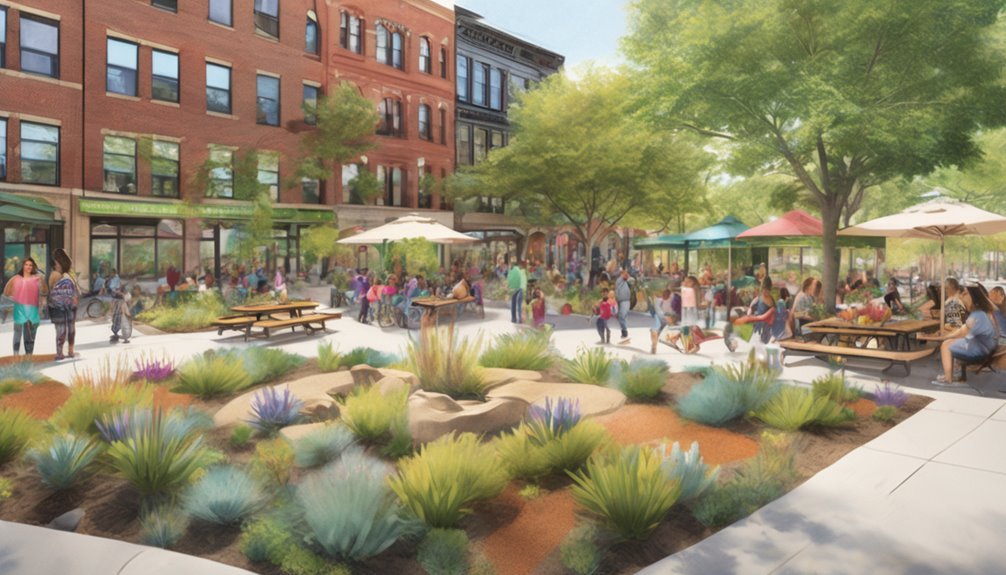
Integrating local culture and programs means the park isn’t just a place to visit—it becomes a living canvas that reflects nearby traditions, communities, and everyday needs. You approach this analytically, aligning spaces with measurable participation, feedback, and equity goals. Partner with cultural groups to map recurring events, skills, and stories that resonate across ages. Implement event branding that signals inclusivity while preserving authenticity, ensuring branding elements respect local sensibilities and accessibility. Design cultural programming around rotating themes, co-created with residents, to maximize relevance and repeat visitation. Data-informed scheduling, evaluation, and adaptability keep offerings responsive rather than prescriptive. By centering belonging, you cultivate steady participation, stronger social ties, and a park that mirrors the community’s diverse rhythms and aspirations.
Promoting Well-Being Through Green Design
Promoting well-being through green design hinges on measurable outcomes and collaborative planning. You’ll design spaces that invite daily use, monitor usage patterns, and adjust layouts to maximize comfort and inclusivity. By prioritizing evidence-based choices, you align park quality with community well-being, ensuring residents feel valued and connected. Focus on shared, transparent goals and track metrics like dwell time, perceived safety, and vegetation health to guide improvements.
- garden aesthetics that lift mood and invite casual gatherings
- noise reduction strategies to protect calm, readable environments
- water features as focal points for reflection and social interaction
- shade strategies that extend usable hours and comfort
- equitable access, ensuring all neighbors benefit from green investments
Real-World Examples and Practical Steps
You’ll see how real-world layouts influence user flow, safety, and accessibility by comparing successful neighborhood parks and their circulation patterns. We’ll pull data on footprint, seating density, and activity zones to guide practical implementation steps that fit your site constraints. Together, we’ll translate these examples into clear, actionable steps you can adapt for your community needs.
Real-World Layouts
Where do real-world layouts succeed in turning park spaces into daily hubs? You’ll see it in designs that balance flow, comfort, and purpose, backed by data on usage patterns and user feedback. Effective layouts cluster activities, prioritize accessibility, and adapt to local culture, climate, and safety concerns. They incorporate shade strategies and consider neighborhood acoustics to foster calm, inclusive spaces. By analyzing case studies, you’ll identify which elements drive repeat visits and civic pride, then tailor them to your community’s needs. Real-world success comes from iterative testing, clear wayfinding, and flexible zones that accommodate events, play, and socializing without friction.
- Clustered activity zones with clear sightlines
- Efficient circulation and minimal wait times
- Evidence-based shade strategies and wind breaks
- Restorative, inclusive seating and sight comfort
- Data-informed programming that invites participation
Practical Implementation Steps
How can you translate real-world layouts into actionable steps that consistently work? You begin by mapping user needs to tangible tasks, then assign owners, timelines, and measurable outcomes. Start with site scoping: identify daylight hours, soil, drainage, and flood risk, and align them with safety and accessibility standards. Integrate multifunctional shelving into public program zones—libraries, seed banks, and tool hubs—to maximize flexibility without clutter. Use rainwater harvesting for irrigation and toilet facilities, collecting data on input-output efficiency to justify scale. Pilot small deployments, track utilization, and adjust configurations based on usage metrics and community feedback. Document costs, maintenance cycles, and training requirements. Finally, schedule periodic reviews to refine layouts, ensuring inclusion, adaptability, and a sense of shared ownership.
Frequently Asked Questions
How Can Funding Be Secured for Ongoing Park Maintenance?
Yes—you can secure ongoing park maintenance through diverse funding models and strong volunteer stewardship. You’ll analyze data, work with stakeholders, and craft sustainable budgets, knowing belonging grows when community members invest, plan, and fund year after year.
What Metrics Measure Long-Term Community Impact?
Long term impact hinges on how you track community metrics, such as usage, safety, and satisfaction. You’ll analyze trends collaboratively, adjust programs, and communicate outcomes transparently to cultivate belonging while demonstrating data-driven stewardship of the park.
How to Balance Noise With Nearby Residential Needs?
You balance noise with nearby homes by implementing noise management strategies, prioritizing residential compatibility, and evaluating outcomes with data. Together we monitor, adjust, and share results for noise mitigation, fostering community harmony through collaborative, inclusive decision making.
Which Stakeholders Should Be Involved During Design Review?
In design review, you involve key stakeholders: residents, business owners, schools, park users, and safety officials, guided by stakeholder mapping and design review governance. You’ll collaborate, analyze data, and foster belonging through transparent, data-driven decision processes.
How to Adapt the Park for Future Climate Conditions?
Like a sturdy tree sheltering a village, you design shade strategies, flood resilient materials and features to adapt to future climate conditions. You analyze data, collaborate openly, feel belonging, and implement scalable, inclusive, climate-ready park improvements together.