
When comparing playground equipment prices, you’ll maximize value by evaluating total cost of ownership, not just upfront price. Compare material longevity (wood, metal, plastic), maintenance needs, warranties, safety inspections, and retrofit needs over time. Inspect installation, site prep, shipping, and hidden fees, plus accessories and fall-zone surfacing. Favor transparent, itemized quotes and long-term service agreements. Build a reserve for unforeseen maintenance and compare across vendors with clear cost breakdowns. If you keep at it, you’ll uncover practical long-term savings beyond the sticker price.
Understanding Total Cost of Ownership for Playground Equipment
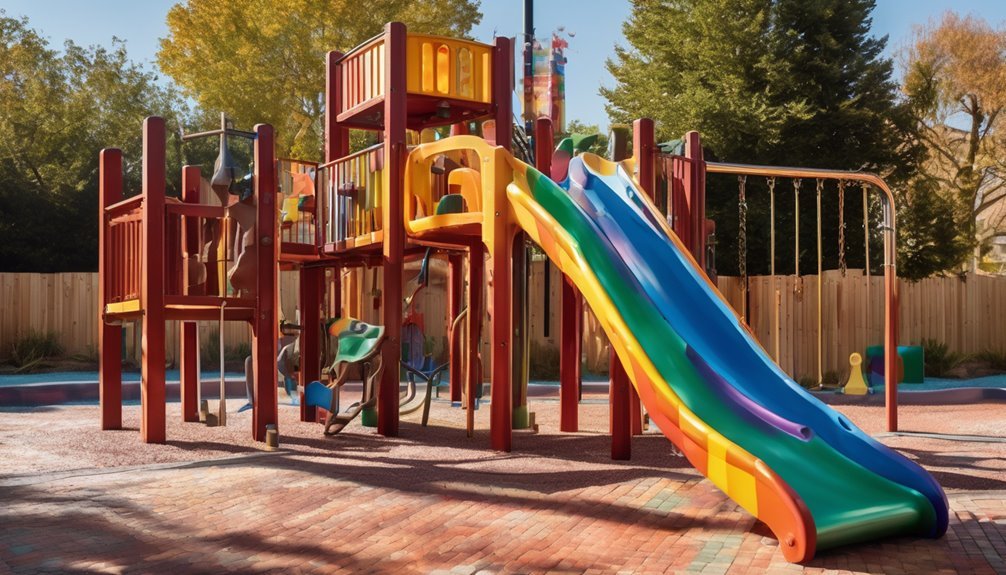
Total cost of ownership (TCO) for playground equipment goes beyond the sticker price. You’ll weigh initial purchase, installation, maintenance, warranties, safety inspections, and retrofit needs over time. To make smart, inclusive choices, map every dollar you’ll spend across years, not just quarters. Track maintenance intervals, expected downtime, spare parts availability, and energy use if you’re powering features. Build a transparent process with clear communication strategies that align stakeholders—parents, town officials, and facilities staff—around cost realities and shared goals. Document lifetime savings from durable materials, service contracts, and reliable performance. Use vendor evaluation to compare total value, not just upfront quotes. Prioritize vendors that provide transparent cost breakdowns, responsive support, and long-term partnerships that foster belonging and confidence in your project.
Assessing Material Longevity: Wood, Metal, and Plastic Choices
When evaluating material longevity for playgrounds, how long each option lasts under real-world use matters as much as upfront cost. You’ll compare wood, metal, and plastic by expected service life, maintenance needs, and failure modes. Wood longevity depends on species, treatment, and exposure; expect potential warping, rot, and insect risk without ongoing preservation. Metal offers strength and longevity but may corrode in wet or salty environments, requiring coatings and inspections. Plastic durability can resist moisture and decay but may crack or fade under UV exposure and heavy impact. Factor in replacement cycles and maintenance costs alongside initial price to determine total value. For a sense of belonging, choose materials align with your climate, budget, and care philosophy, and document performance benchmark for your team. wood longevity, plastic durability.
Safety Standards and Compliance as a Cost Factor
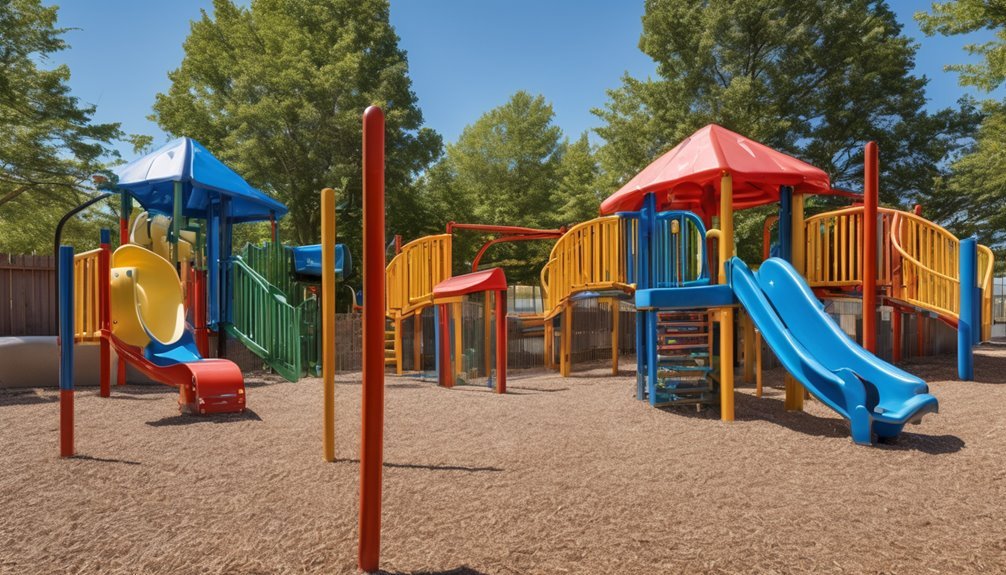
Safety standards and compliance add measurable, ongoing costs to playground projects as adherence affects design choices, inspections, and documentation. You’ll see how compliance costs surface in material specs, safety margins, and maintenance planning, shaping overall price without sacrificing safety. By quantifying expected inspections and recordkeeping, you can forecast lifecycle budgets and avoid surprises. Data shows that higher safety standards often correlate with lower long-term risk and downtime, a value you’ll recognize in total cost of ownership. To couple quality with affordability, compare vendors’ certification claims, renewal timelines, and documentation ease.
Safety standards drive ongoing costs, inspections, and records, shaping lifecycle budgets without sacrificing safety.
- Safety standards adherence timelines and inspection frequency
- Documentation burden and recordkeeping expenses
- Certification and retrofit costs over project life
Installation and Site Prep: What to Expect
Installation and site prep set the foundation for a project’s timeline and budget. You’ll assess installation logistics early, aligning crew availability, permits, and access with your site constraints to minimize delays. Site prep includes grading, drainage, and surface readiness; precise measurements reduce rework and hidden costs. Expect clear, data-driven estimates for labor, equipment, and contingencies, plus a phased schedule that shows when each task impacts downstream activities. By coordinating with suppliers and installers, you’ll improve cost predictability and adherence to your completion window. The example table highlights cost-sensitive focus areas:
| Focus Area | Value Impact |
|---|---|
| Grading & Drainage | Reduces future maintenance costs |
| Access & Logistics | Shortens setup time and idle labor |
Shipping, Delivery, and Hidden Fees to Watch For
You’ll want to scrutinize hidden shipping costs and expected delivery timing to avoid surprises that inflate the total price. Use clear, itemized quotes to compare fees, surcharges, and delivery windows across vendors. This early look sets the baseline for cost-conscious decisions as you weigh value and timing.
Hidden Shipping Costs
Hidden shipping costs can surprise buyers after checkout, so it’s essential to read the small print before you buy. When budgeting, you’ll want to surface hidden fees early—they often appear as handling, fuel surcharges, or remote-area surcharges that aren’t obvious at listing time. Track total landed cost by adding transit insurance and pallet fees to your math, then compare against competitors with transparent line items. Knowing delivery timing can help you synchronize project milestones and avoid paid expedited options you don’t need. Aim for sources that disclose carrier restrictions and curb vs. threshold delivery. To help, consider:
- Hidden shipping and handling charges that aren’t on the sticker price
- Delivery timing and accessibility constraints affecting total cost
- Transparent quotes with all fees itemized up front
Delivery Timing Tricks
You’ve seen how hidden shipping fees can surprise you; now it’s time to map delivery timing as part of the total cost. You’ll compare delivery windows, blackout periods, and carrier constraints to quantify predictability. Track shipment scheduling trends: weekday vs weekend deliveries, rural vs urban access, and the impact of available release dates on project timelines. Factor in potential tolls, lift-gate charges, and per-day storage fees that accrue if staging takes longer than planned. Build a timing-aligned budget by simulating arrival dates against need-by milestones, noting rush options and their costs. Communicate lead times clearly with suppliers to avoid last-minute changes. Delivery timing becomes a value lever: reduce idle time, align shipment scheduling with site readiness, and protect your project’s overall cost performance.
Warranties and After-Sale Support: Finding Real Value
When you compare warranties, start with the scope: what’s covered, for how long, and any exclusions that could affect total cost. Assess after-sales support quality by evaluating service response times, on-site visit options, and the availability of spare parts. This helps you gauge real value beyond sticker price, tying warranty details to long-term maintenance costs.
Warranties Scope Details
Warranties and after-sale support are key value levers when evaluating playground equipment as they directly affect long-term total cost of ownership. You’ll want a clearly defined warranty scope and predictable coverage limits that align with your project’s risk profile and replacement cycles. Read the policy against actual usage patterns, noting what is covered, time frames, and any exclusions. Compare vendor performance on claim responsiveness, required maintenance, and documentation. A well-scoped warranty reduces surprises during budget reviews and procurement sign-off.
- Clear warranty scope and defined coverage limits that match your equipment lifecycle
- Transparent terms on repairs, replacements, and maintenance expectations
- Defined conditions, claim steps, and escalation paths to ensure timely support
After-Sales Support Quality
Even with solid warranties in place, the real value comes from the actual quality and speed of after-sales support, so you should assess response times, on-site service options, and escalation processes against your project’s risk profile. You’ll want transparent SLAs, clear parts availability, and proven case timelines, not vague promises. Track tangible metrics: first-response time, repair window, and on-site visit feasibility. Compare providers on how they handle remote diagnostics, stock rotation, and warranty fulfillment charges, then weight by your site’s criticality. The following table summarizes expected performance and cost implications:
| Metric | Target Timing | Cost Impact |
|---|---|---|
| Response time (initial) | 4–8 hours | Moderate |
| On-site service | Within 24–48 hours | High |
| Escalation path | 24/7, defined owners | Low |
irrelevant topic, unrelated discussion
Budgeting for Accessories, Surfacing, and Fall Zones
Budgeting for accessories, surfacing, and fall zones requires a clear cost map: itemize mandatory components (safety mats, edge restraints, and protective borders), estimate per‑unit prices, and apply quantities based on your layout.
- pricing heuristics for each category to calibrate overall cost
- structured supplier selection criteria to ensure reliability and value
- a phased budgeting approach that align with project milestones
You’ll compare quotes using consistent unit measures, then adjust for installation complexity and shipping. Track subtotal by category, then apply contingency margins based on risk exposure and site-specific constraints. Favor transparent line items, documented assumptions, and historical data from similar playgrounds. This disciplined method strengthens your cost confidence, reinforces shared ownership, and keeps your team feeling connected throughout procurement. Your project stays on budget, on schedule, and in reach for all stakeholders.
Comparing Manufacturer and Supplier Reputation
When you’re comparing quotes, the reputation of manufacturers and suppliers matters as much as price and features. You’ll weigh warranty terms, service response times, and track records for on-time deliveries, then map those metrics to your project timeline. Data shows that established brands with transparent sourcing and verifiable certifications tend to reduce risk and after‑sale costs over time. Look for third‑party audits, customer reference lists, and case studies that align with your size and scope. Be cautious of marketing jargon that masks performance gaps; ask for failure rates and maintenance histories. Remember, irrelevant topic or unrelated concept mentions are signals you should probe for real substance. A reputation anchored in consistency supports value, belonging, and smoother project execution for your playground.
Negotiation Tactics to Maximize Savings
You’ll start by anchoring your quote with precise price comparisons across multiple vendors and documented line-item costs. Use bulk purchase leverage to quantify savings, projecting unit costs at various volumes and highlighting breakpoints. Track supplier negotiation triggers, like early payment options and delivery timing, to drive actionable, data-backed concessions.
Price Comparison Tactics
How can you extract real value from price comparisons when shopping for playground equipment? You’ll assess total cost, not just sticker price, to support accurate price comparison and solid project budgeting. You’ll track unit costs, shipping, installation, and after-sales support, anchoring decisions in data rather than hype.
- Compare identical models across vendors to avoid hidden differences
- Request detailed quotes and demand expiration dates to lock favorable terms
- Map delivery windows against your project timeline to prevent costly delays
This approach creates a sense of belonging, as you align choices with community standards for value and reliability. By prioritizing transparency, you gain clearer visibility into costs, enabling smarter negotiations and more predictable budgeting outcomes.
Bulk Purchase Leverage
Bulk purchasing can unleash meaningful savings, especially when you harmonize order size with supplier capacity and efficiency gains. In this section, you align procurement volume with project scalability to unlock budget-friendly outcomes. You evaluate total landed cost, not just sticker price, to determine true value. Use tiered pricing by requesting bulk discounts tied to clear volume thresholds, and verify how bulk fulfillment impacts lead times, inventory storage, and logistics costs. Compare unit costs across rival suppliers and confirm consistency in quality specs, warranties, and after-sales support. Build a documented case showing incremental savings as you increase quantity, so stakeholders see tangible benefits. Communicate collaboration benefits to suppliers, emphasizing shared risk reduction and a reliable forecast to maximize mutual value.
Supplier Negotiation Triggers
Are you aware of the triggers that can unlock better terms in supplier negotiations, and how you can systematically deploy them to maximize savings? In supplier negotiations, timing, volume commitments, and risk sharing drive favorable pricing and stronger product warranties. You’ll want data-driven targets, transparent cost breakdowns, and a clear walk-away point to guard your budget.
- Leverage early-order commitments to lock supplier pricing and extend product warranties.
- Bundle product lines for consolidated pricing and favorable payment terms, uncovering supplier pricing efficiency.
- Tie volumes to service level guarantees and warranty coverage, ensuring consistent quality without hidden costs.
Practical focus: quantify impact on total cost of ownership, monitor changes in supplier pricing, and verify warranty scope before signing. This builds belonging and trust in your procurement team.
Planning for Maintenance: Long-Term Costs and Care Tips
Planning for maintenance means budgeting for both predictable and surprise costs over the life of your playground equipment, so you can avoid costly downtime and keep kids safe. You’ll map out annual upkeep, inspections, and component replacements, then compare these long term costs against upfront price. A data-driven approach uncovers trends: higher-quality hardware often lowers frequent repairs, while modular designs simplify parts sourcing. Schedule preventive maintenance at defined intervals and document findings to forecast future needs. Consider lifecycle costs, including paint, sealants, and surface refurbishments, not just initial installation. Build a reserve for unforeseen failures, and track service response times to minimize downtime. Shared best practices foster belonging: families see consistent care, trust your project, and stay engaged in maintenance decisions. planning maintenance sustains value and safety, balancing upfront spend with long term costs.
Frequently Asked Questions
How Do Seasonal Pricing Fluctuations Affect Playground Equipment Costs?
Seasonal pricing fluctuations raise costs when seasonal demand spikes and supplier lead times stretch, so you’ll see higher quotes during peak installation windows. You’ll secure better value by planning ahead, ordering early, and locking in rates before demand surges. Track supplier lead times and inventory, compare bids across seasons, and time purchases to mid-cycle lulls. By aligning purchases with demand patterns, you’ll optimize costs and feel part of a community that values prudent budgeting.
What Hidden Costs Occur During Post-Installation Maintenance?
Hidden costs during post installation include ongoing inspections, repairs, and part replacements. You’ll want to budget for rust prevention, surface maintenance, and annual safety checks, plus potential downtime if components fail. Hidden costs also arise from warranty gaps, shipping for replacement parts, and labor surcharges for urgent service. Plan for scheduled maintenance windows, track corrosion risk, and keep a spare parts shelf. With proactive budgeting, you’ll feel secure, connected, and confident in your project’s long-term value.
Do Prefab Units Offer Better Value Than Custom Builds?
Prefab units offer better value for many projects when you weigh total cost of ownership, but it depends on scope. You gain faster deployment, standardized unit value comparison, and predictable maintenance. If you need custom layouts, the gap narrows but costs rise. In a data-driven view, prefab vs custom typically favors prefab for cost efficiency and schedule, while still letting you tailor safety and aesthetics to your community’s needs, strengthening belonging among users.
How Does Re-Sale Value Influence Total Project Cost?
Re-sale value can lower your total cost over time, especially if you select durable, popular systems. You’ll recoup more when demand remains steady, reducing net expense. If resale prospects look weak, your total cost rises as depreciation hits. Favor modular, well-maintained units with strong brand support to maximize re sale value. Track market prices, factor in maintenance, and model scenarios to see how resale shifts overall affordability and your sense of belonging within the community.
What Financing Options Best Fit Public Playground Budgets?
For public playground budgets, the best financing options balance predictability and total cost. Consider multi-year leases, municipal bonds, or state/federal grants, then compare interest, fees, and payback timelines. Budget planning should include contingency reserves and amortization schedules, plus resale or reuse value. Use data to forecast annual payments, ensuring cash flow won’t strain operations. You’ll optimize affordability, choose sustainable options, and feel confident that your financing options support inclusive, high-quality play spaces for all.