
When choosing flooring for Karnataka parks, prioritize climate-aware, slip-resistant options that handle humidity and heat while staying durable. Consider rubber mats for cushioning near play zones and entryways, engineered composites for weather resistance and good drainage, and sand pits with textured surfaces to guide movement and accessibility. Ensure ADA compliance with smooth transitions, tactile cues, and clear sightlines. Plan drainage, maintenance cycles, and lifecycle costs upfront. If you keep exploring, you’ll uncover practical design choices and phased implementation tips.
Understanding Local Climate and Safety Considerations
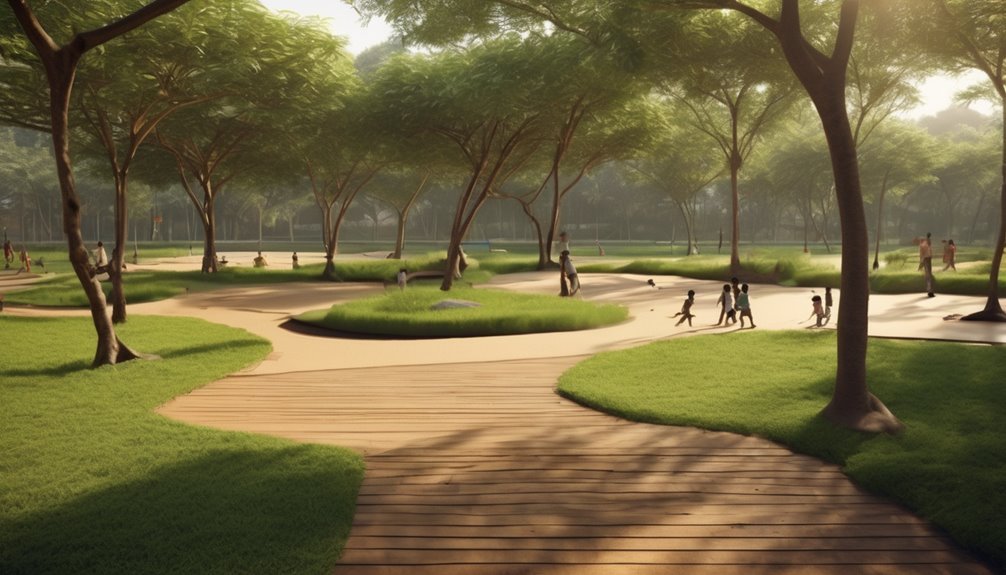
When selecting flooring, start by evaluating how your climate affects performance—humidity, temperature swings, and moisture levels can influence durability, comfort, and maintenance. In Karnataka parks, you’ll balance heat with seasonal rains, so plan for slip resistance and drainage without compromising comfort. Consider porous options that still feel solid underfoot, and map shade versus sun exposure to protect longevity. Sand safety matters: ensure play areas are clearly fenced, edges are smooth, and daily checks remove debris that could trap feet or injure ankles. allergen awareness should guide material choices and cleaning routines, reducing pollen, mold, and dust buildup. You’ll foster safety and belonging by communicating maintenance schedules, inviting community input, and aligning surfaces with local needs and activities.
Material Options: Rubber Mats, Engineered Composites, and Natural Surfaces
What flooring options fit a parks setting with climate realities and safety goals? You’re looking for practical choices that balance resilience, maintenance, and user comfort. Here, focus on material options that suit Karnataka’s varied weather. Rubber mats offer slip resistance and cushioning, ideal around playgrounds and entryways, while resisting moisture and moderate heat. Material options, engineered composites, blend durability with lower maintenance: they resist weathering and fading, and can be engineered for specific grip and drainage. Natural surfaces—safety underfoot with proper rubberized infill and compacted soil—circle the spectrum for accessibility and sustainability. Consider lifecycle costs, replacement cycles, and seasonal swings. Your goal is consistent safety, inclusive feel, and straightforward upkeep across parks, trails, and gathering spaces.
Accessibility and ADA Compliance in Park Flooring

Ensuring inclusive access starts with surfaces that meet ADA standards for slopes, transitions, and tactile cues, so every user—including wheelchairs, strollers, and those with visual impairments—can move safely and confidently. In park flooring, you’ll prioritize accessible procurement: choose materials that tolerate diverse use, weather, and maintenance routines without compromising grip or surface evenness. Prioritize smooth transitions at all edges to prevent tripping, and clearly marked tactile indicators for navigation. Consider climate adaptation by selecting resilient, slip-resistant surfaces that stay compliant after rain or heat waves. You’ll design paths with consistent cross-slopes and avoid abrupt changes in texture. Engage diverse users in testing to ensure inclusive experiences, fostering belonging and trust in the park’s commitment to accessible, equitable spaces.
Drainage, Drainage Systems, and Water Management
When you plan flooring, prioritize drainage system design that channels moisture away from living areas and away from foundations. Consider water management strategies that balance surface runoff, indoor humidity control, and slip resistance, so your choice remains safe and durable in all conditions. By anticipating moisture paths and choosing compatible materials, you’ll reduce maintenance needs and extend the life of your flooring.
Drainage System Design
Effective drainage system design balances reliability and cost to protect the structure and its surroundings from water damage. You’ll map flow paths with clean grading and accessible catch basins, ensuring continuous drainage during heavy rainfall. Choose pipe sizes and materials that resist clogging and corrode under local conditions, while allowing for easy maintenance. Incorporate durable coatings on exposed concrete and metal to extend lifespan and reduce surface staining. Position trenches and swales to direct runoff away from play areas and seating zones, minimizing erosion and mud. Plan for seasonal variations, including wet-season testing and debris screening. Aim for noise mitigation by aligning drainage routes away from gathering spaces and using protective enclosures. This approach supports lasting comfort, safety, and belonging in Karnataka parks.
Water Management Strategies
As you build on solid drainage concepts from the previous topic, Water Management Strategies focus on how to keep surfaces dry, safe, and accessible in Karnataka parks. You’ll implement integrated water harvesting, guiding runoff to sustainable reuse while supporting drought resilience. Choose drainage systems that minimize standing water, reduce slip risk, and enhance parking lot and pathway reliability for park accessibility. Align material sourcing with long‑lasting, low‑maintenance ground cover maintenance to cut noise, waste management, and erosion control needs. Emphasize outdoor lighting that complements safety without glare, improving child safety after dusk. Prioritize green certification by documenting water performance and erosion controls. Develop a maintenance plan that tracks soil moisture, and reclaims water through rain gardens. This approach fosters belonging and responsible stewardship.
Maintenance, Durability, and Lifecycle Costs
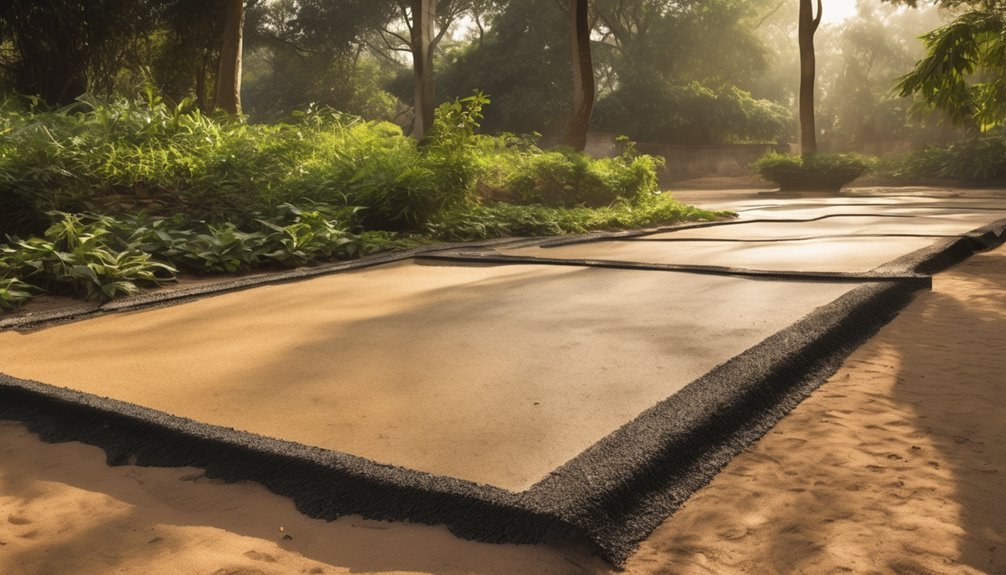
Maintenance, durability, and lifecycle costs matter as they determine how long flooring stays functional and affordable. You’ll assess material wear, maintenance needs, and replacement intervals to keep parks welcoming and safe. Rubber mats resist weathering but may require edging and cleaning schedules; sand pits demand dust control and sub-base drainage. Track lifecycle costs from purchase to disposal, and include maintenance budgeting for routine refurbishments. Durability hinges on load, moisture, and UV exposure, so you’ll choose surfaces that tolerate foot traffic without cracking or flattening. Plan budgeting for resealing, cleaning, and partial replacements to spread costs over time. This approach creates belonging by ensuring reliable safety, consistent aesthetics, and predictable expenses.
| Factor | Action | Outcome |
|---|---|---|
| Material wear | Schedule checks | Prolongs life |
| Maintenance | Set budget | Stable costs |
| Replacement | Plan intervals | Smooth transitions |
| Durability | Consider environment | Resilient surface |
| Costs | Track lifecycle costs | Transparent budgeting |
Design for Play Zones: Sand Pits, Textured Surfaces, and Interactive Areas
As you design play zones, consider how Sand Pit Design, Textured Surface Play, and Interactive Zone Concepts come together to encourage safe exploration and imaginative interaction. Think about material choices, drainage, and accessibility so kids can dig, crawl, and discover without hindrance. This opening discussion sets the stage for practical guidance on creating engaging, durable areas that complement your flooring choices.
Sand Pit Design
Are you designing a sand pit that’s safe, engaging, and accessible? Start with clear boundaries using rug markers to define play zones and keep movement intuitive for all users. Choose sand pits with coarser, cleanable sand to minimize dust and ensure easy maintenance. Elevate safety by bordering edges with rounded, low-profile barriers and avoiding protrusions that snag clothing. Depth should accommodate various ages: a shallow area for toddlers and a deeper pocket for curious explorers, smoothly transitioning between levels. Incorporate shade and seating nearby so caregivers stay connected and comfortable. Plan for drainage to prevent puddles after rains, and add permeable, non-slip surfacing surrounding the pit. Ensure storage near the pit for tools and toys, fostering ownership and gentle, supervised play.
Textured Surface Play
Textured surfaces add multi-sensory interest and invite exploratory play, especially when integrated into clearly defined zones around the sand pit. You’ll choose textures that guide movement, grip, and safe interaction, inviting kids to explore with hands, feet, and wheels. In practice, combine sand textures with nearby rubber mats to create predictable changeovers between soft digging zones and firm transition paths. The mats offer stability for rapid movements, while textured surfaces encourage curiosity and tactile feedback without overwhelming the play rhythm. Design thoughtfully: keep pathways clear, avoid abrupt contrasts, and ensure accessibility for all children. This approach reinforces belonging, inviting families to participate, observe, and celebrate progress. Sand textures and rubber mats together become a cohesive, inclusive playground language.
Interactive Zone Concepts
Interactive Zone Concepts bring together sand pits, textured surfaces, and hands-on play areas into cohesive, inviting spaces. You’ll design zones that invite exploration, with clear sightlines and safe circulation paths. Start with accessible entries, then layer activities so kids of all abilities discover something engaging without feeling overwhelmed. Sand pits encourage tactile curiosity, while textured pavements offer sensory feedback and directional cues. Interactive areas, like modular panels or loose-parts challenges, promote collaboration and problem-solving. Use durable materials that resist wear and weather, and choose colors that calm yet energize. Consider shading, seating, and wayfinding to foster belonging and安心. Deliberately weave in opportunities for unrelated topic, off topic discussion, as playful prompts that spark conversation without derailing safety or supervision.
Phased Implementation: Budgeting, Scheduling, and Minimizing Disruption
Phased implementation helps you balance cost and disruption by breaking the flooring project into manageable steps, each with clear budgets, timelines, and milestones. You’ll map a realistic sequence—from assessment to procurement, installation, and final touch-ups—so stakeholders can anticipate changes. In budget planning, allocate contingencies for unexpected site conditions and weather windows, and track spend against a transparent ledger shared with park teams. Scheduling focuses on minimizing downtime, staggered installations, and safe access routes for visitors, especially near high-traffic play areas. Communicate milestones in plain language, so volunteers and staff feel included. Your phased plan should emphasize flexibility, permitting quick pivots if a supplier delays or a method evolves. This approach builds trust, belonging, and smooth progress during every phase of the play area upgrade.
Case Studies and Best Practices for Karnataka Parks
What do Karnataka parks teach us about turning best practices into tangible improvements? You’ll see how case studies fuel practical decisions, turning insights into safer, welcoming spaces. By comparing sites, you identify scalable best practices that fit local needs and budgets. You’ll note how stakeholders collaborate—from park staff to communities—to sustain improvements. This isn’t theory; it’s actionable, with measurable impacts you can replicate.
- Case studies reveal patterns for material longevity, maintenance, and accessibility
- Best practices emerge through inclusive planning, stakeholder buy-in, and clear goals
- Real-world benchmarks guide budgeting, scheduling, and risk reduction
- Continuous feedback loops ensure adaptations fit Karnataka’s diverse parks
Adopt these lessons to create flooring solutions that welcome every visitor, fostering belonging and pride in public spaces.
Frequently Asked Questions
How Does Karnataka’s Climate Affect Material Aging and Safety?
The Karnataka climate accelerates material aging, especially with heat, humidity, and monsoon moisture. You’ll notice faster wear, fading, and corrosion if you don’t select durable options. Prioritize safety standards and accessibility compliance to protect every user. Choose materials with UV resistance, non-slip textures, and proper drainage. Regular inspections help you catch degradation early, maintaining safe, inclusive spaces where everyone feels they belong.
What Are Cost Comparisons for Rubber Mats vs. Sand Pits?
Rubber mats cost more upfront but lower long‑term maintenance, whereas sand pits cost less initially but require ongoing replenishment and frequent leveling. You’ll likely spend more on installation for rubber mats, yet they resist weathering and provide consistent safety, reducing replacement needs. Sand pits demand frequent material top‑ups and rake work after storms, but may be cheaper to install. If budgeting long term, rubber mats often win; for short projects, sand pits can fit tighter pockets.
Which Materials Meet Accessibility Standards in Indian Parks?
You’ll find materials that meet accessibility standards in Indian parks by prioritizing accessible design and material standards. Look for rubberized flooring, textured concrete, and permeable pavers that offer slip resistance, wheel-chair maneuverability, and tactile cues. Ensure plans specify uniform slopes and edge protection. Materials should be non-toxic, durable, and easy to maintain. By choosing these options, you’ll create inclusive spaces where everyone feels they belong, with clear, consistent pathways and safe play areas.
How Does Monsoon Season Impact Drainage and Maintenance?
Monsoon season primarily affects drainage by overwhelming surface and sub-surface paths, so you’ll notice pooling and slower water runoff. You’ll want sturdy monsoon drainage planning and regular inspection to prevent clogs and erosion. Maintenance challenges include clearing debris, resealing joints, and monitoring wear on rubber mats or sand pits. You’ll maintain accessibility by prioritizing graded surfaces and timely repairs, ensuring safe, inclusive spaces where everyone feels they belong even during heavy rains.
What Maintenance Schedules Minimize Disturbance During Installation?
To minimize disruption, set clear maintenance windows and stick to them, scheduling heavy work during off-peak hours. You’ll want phased tasks, predictable routines, and advance notifications to foster belonging among visitors and staff. Prioritize noise minimization by using quieter equipment and temporary sound barriers. Communicate daily progress and adjust timelines if weather or monsoon drainage considerations arise. Your adherence to these schedules shows respect for the park’s rhythm and keeps communities engaged and informed throughout installation.