
When you plan outdoor fitness and open-gym gear, start with a thorough site assessment: space, drainage, accessibility, and nearby utilities, plus local codes and permit needs. Choose modular, durable equipment with clear sightlines and ADA-compliant paths. Establish safety, maintenance, and inspection schedules, and ensure proper surface protection. Secure diverse funding and partnerships, track usage and safety data, and document accessibility features. This approach keeps projects compliant and sustainable, while guiding you toward practical, inclusive programs that scale—if you keep exploring, more details await.
Planning and Site Assessment
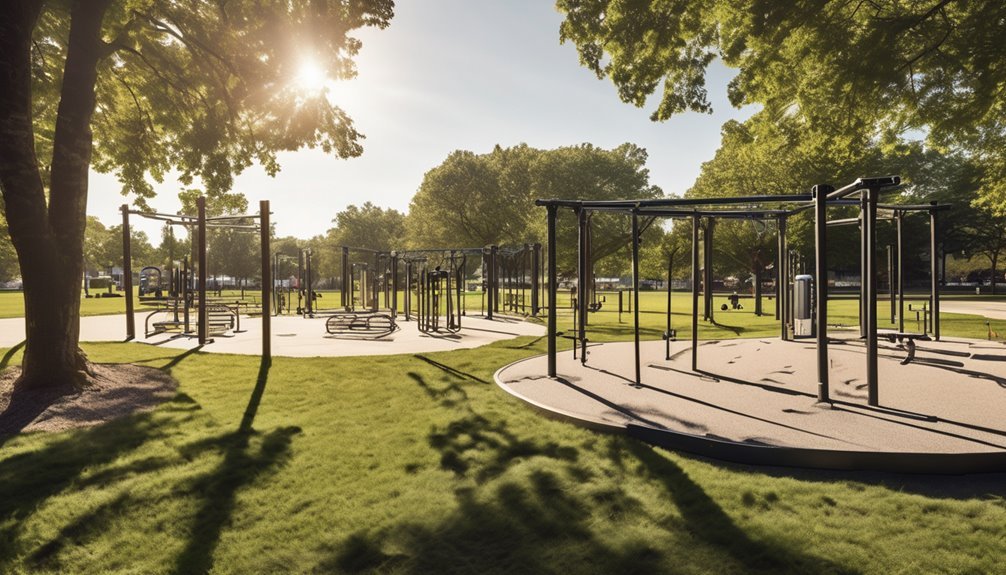
Before selecting outdoor fitness and open gym equipment for a park, assess the site’s current conditions and regulatory context: evaluate space, topography, drainage, accessibility, safety hazards, and proximity to utilities, while noting local codes, permit requirements, and maintenance capabilities. In planning zoning terms, you’ll map existing land use and future flexibility, ensuring alignment with park master plans and community needs. Conduct a precise site survey to document boundaries, slopes, soil stability, drainage paths, and shade patterns, then translate findings into practical constraints and opportunities. Establish regulatory safeguards early: ADA compliance, accessibility routes, emergency access, and stormwater considerations. Engage stakeholders to confirm priorities, set measurable objectives, and define responsibilities. Your disciplined approach creates a solid foundation, fosters trust, and signals a collaborative, belonging-focused process.
Equipment Selection and Accessibility
You’ve mapped the site and regulatory framework, so now you can focus on selecting equipment that fits both the space and the rules. You’ll balance durability, cost, and installation ease, while prioritizing inclusive design. Your choices should meet accessibility considerations, ensuring paths, clearances, and seating align with standards. Favor modular units that tolerate weather, vandalism, and heavy use, with straightforward maintenance routines. Document manufacturer specifications, anchoring methods, and warranty terms to support long-term viability. Plan layouts that minimize collision risk and maximize user sightlines for supervision and belonging.
- Choose durable, weather-resistant components with clear maintenance schedules.
- Prioritize equipment that supports varied ability levels and complies with accessibility standards.
- Favor modular configurations that reconfigure easily for multi-user groups and diverse activities.
Safety, Maintenance, and Durability
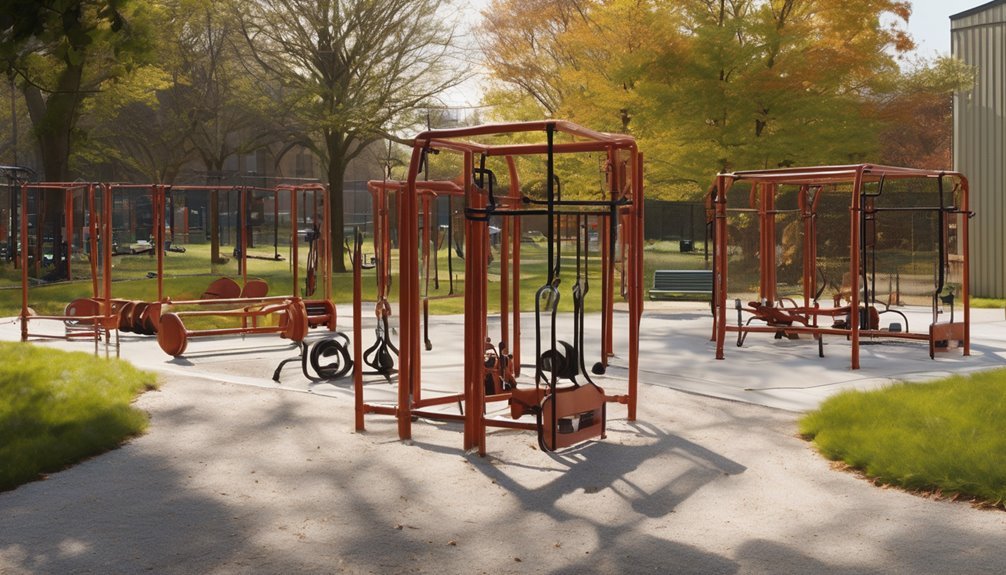
How can you ensure safety, reliability, and long-term usability in outdoor fitness and open gym equipment? You follow clear safety protocols from planning through daily use. Begin with tested, code-aligned equipment, installation by qualified technicians, and proper surface protection to deter injuries. Establish documented maintenance schedules that cover inspection frequency, lubrication, corrosion checks, and bolt tensioning; log results so trends emerge early. Train staff and volunteers to recognize wear, vandalism, and hygiene concerns, reinforcing inclusive, community-driven care. Replace or retrofit components promptly to minimize downtime and liability. Use signage outlining correct use and emergency steps, and maintain access for all users, including those with disabilities. Regular audits ensure durability, compliance, and a shared sense of belonging in your park.
Funding, Partnerships, and Sustainability
Funding, partnerships, and sustainability are vital to keep outdoor fitness and open gym programs viable over the long term. You’ll align resources with clear rules, ensuring accountability and safe access for all users. Prioritize formal agreements, transparent budgets, and measurable outcomes to satisfy funders and communities. Track progress with sustainability metrics, including maintenance costs, usage patterns, and environmental impact. You’ll seek diverse funding streams—grants, sponsorships, municipal support—and document match requirements to strengthen viability. Build partnerships with schools, health groups, and local businesses to share facilities, programming, and compliance responsibilities. You’ll communicate success honestly, fostering trust and belonging among residents, volunteers, and decision makers.
Secure diverse funding, formalize partnerships, and publish transparent sustainability metrics to sustain inclusive outdoor fitness programs.
1) Secure multi-source funding and formalize partnerships
2) Publish annual sustainability metrics and compliance reports
3) Align operations with safety, accessibility, and equity standards
Programming, Engagement, and Usage Metrics
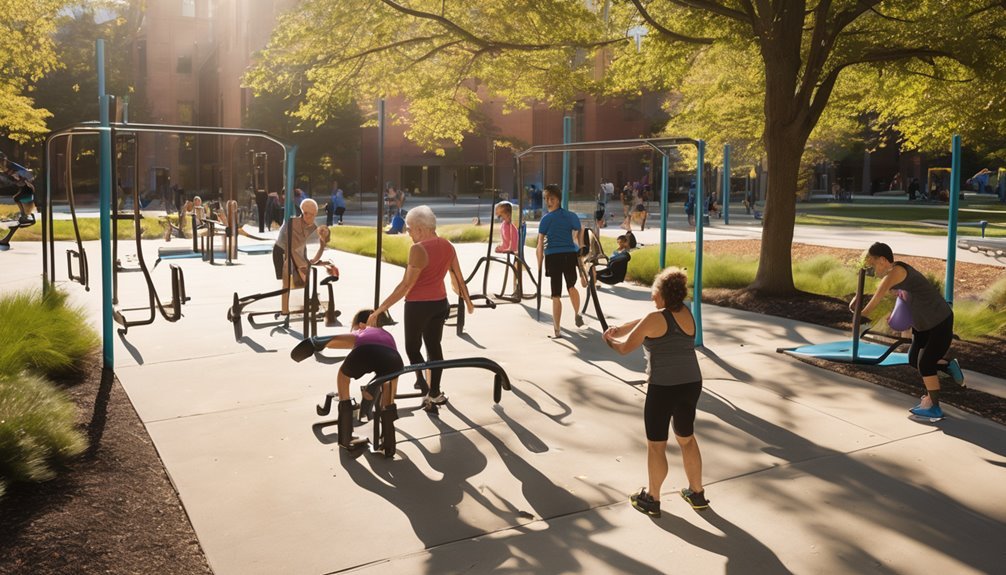
What metrics matter most for programming, engagement, and usage, and how will you track them to ensure accountability? You’ll define clear targets for planning engagement, such as visit frequency, user diversity, and participation in guided sessions. Track usage metrics like peak times, duration, equipment utilization, and throughput, with daily audits and quarterly dashboards. Prioritize equipment selection accessibility, documenting accessibility features, ADA compliance, and user feedback loops to inform adjustments. Ensure safety maintenance data is integrated, including incident reports, corrective actions, and time-to-resolution metrics. Align with funding partnerships by tying outcomes to grant requirements, cost per user, and program reach. Regulate processes through standardized onboarding, consent, and code of conduct, fostering belonging through transparent, accountable, and inclusive programming.
Frequently Asked Questions
How to Measure User Demand Beyond Basic Usage Counts?
You measure user demand beyond basic usage counts by tracking customer engagement signals, like repeat visits, time spent per session, and program participation rates, then analyze trends for long term feasibility. You’ll gather feedback through surveys, focus groups, and event signups, adjusting offerings to meet needs. You should document regulatory considerations, accessibility needs, and safety concerns, ensuring inclusive access. This practical approach cultivates belonging while informing governance and budgeting for sustainable, compliant park fitness programs.
What Permits Are Needed for Temporary Outdoor Setups?
You’ll need permits for temporary outdoor setups, typically including a site permit and a special events permit. Check permitting timelines with your city early to avoid delays. Ensure you meet insurance requirements, naming the hosting agency and project partners. Attach a simple risk assessment and site plan. The process is regulatory, but clarity and timely communication help you feel part of the community. Stay proactive, document everything, and coordinate with park staff for smoother approvals.
How to Ensure Inclusivity for All Ages and Abilities?
You guarantee inclusivity by offering inclusive access routes, equipment with universal design, and clear signage. You implement adaptive programming, tailoring activities to varied abilities and providing staff training on accessibility needs. You assess site compliance with safety regs, install fall protections, and maintain equipment to prevent barriers. You invite feedback from participants of all ages, then adjust offerings accordingly, guaranteeing everyone feels they belong while meeting regulatory requirements and prioritizing safe, welcoming experiences.
What Privacy Considerations Arise in Open-Air Spaces?
Privacy concerns arise in open-air spaces when you consider how data collection happens around usage, cameras, and Wi‑Fi. You should limit data collection to what’s necessary, anonymize where possible, and publish a clear privacy notice. Ensure signage explains monitoring practices, retention periods, and user rights. Implement access controls, secure devices, and regular audits. Create a belonging-focused plan so participants feel safe exercising publicly, with transparent, practical rules and responsive channels for concerns.
How to Market Open Gym Options to Non-Athletes?
Open gym marketing should emphasize accessibility, safety, and community for non athletes, highlighting simple routines and inclusive goals. You’ll craft outreach that speaks to belonging, not competition, and frame activities as low-pressure, adaptable options. Use clear guidelines, signage, and supervision to address regulation concerns. Focus on non athlete outreach by sharing testimonials, beginner-friendly programs, and drop-in sessions. You’ll remove intimidation, invite curiosity, and show steady progress as you build trust in a compliant, welcoming environment.