
When selecting commercial playground equipment, you’ll weigh materials by durability, maintenance, and safety. Steel offers strength and vandal resistance but needs reliable coatings and regular fastener checks. Aluminum stays light, corrosion-resistant, with finishes like anodizing or powder coating, yet thickness and weld quality matter. Plastics and composites provide UV stability and low maintenance, but wear and heat tolerance vary. Expect a plan for inspection, coatings, and modular parts to ease repairs; more details await beyond this overview.
Materials Overview: Steel
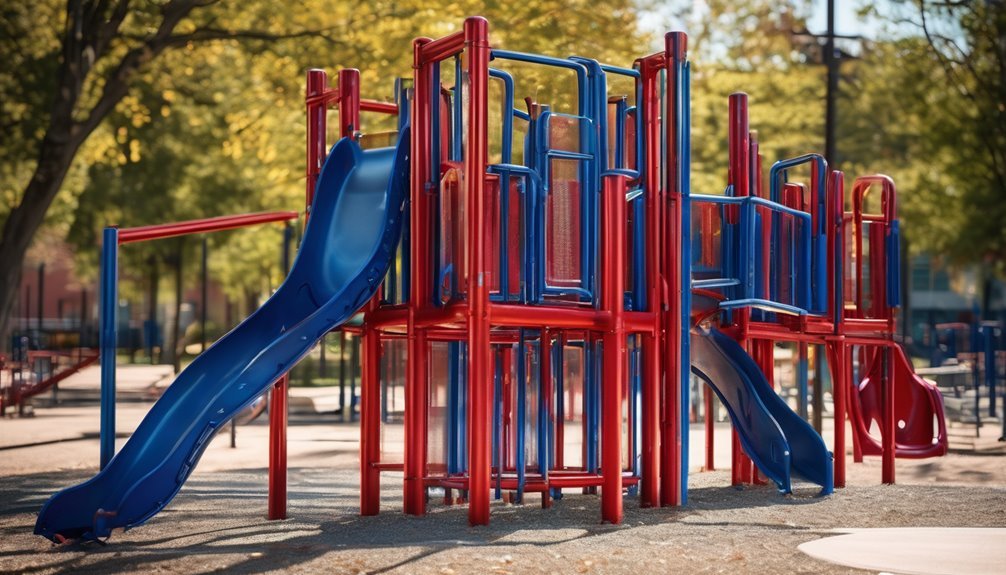
Steel is a versatile choice for commercial playgrounds thanks to its strength, durability, and design flexibility. You’ll appreciate how steel handles heavy use, resisting panel wobble, racking, and vandalism in busy parks. When you evaluate steel durability, consider gauge, weld quality, and frame geometry, all of which influence long-term stability and maintenance needs. A well engineered steel framework supports complex play structures without sacrificing safety margins. Focus on a reliable playground coating to guard against corrosion, abrasion, and weathering; this coating is essential for longevity and consistent visuals. Plan for routine inspections of fasteners, joints, and coating wear to prevent hidden rust. By aligning material choice with site conditions and usage, you cultivate safer, more inclusive spaces where families feel they belong.
Materials Overview: Aluminum
aluminum offers strong durability with low weight, but your selection should consider factors such as how design impacts structural load, impact resistance, and fatigue life. You’ll want a clear view of the corrosion resistance profile, including alloy grades, coatings, and environmental exposure that affect longevity. Also, outline maintenance needs—inspection frequency, cleaning methods, and any touching up or refinishing required to preserve performance and safety.
Aluminum Durability Factors
Curious about how aluminum holds up in playground use? You’ll assess durability factors with precision, focusing on performance during daily wear and visual longevity. Aluminum resists rust and most weathering, so you benefit from low maintenance and predictable upkeep. Look for alloys with balanced strength and formability; T6 temper often delivers rigidity without excess weight. Be aware of surface finishes—anodizing or powder coating can extend color retention and abrasion resistance, yet coatings may chip if joints flex or impact occurs frequently. Welds and joints matter: clean welds reduce stress risers, improving fatigue life. Assembly tolerances influence play-safety margins over time, so choose components with consistent dimensions. Regular inspections catch minor dents before they spread, preserving aesthetics and structural integrity for years of trusted use. daily wear, color fading.
Corrosion Resistance Profile
What makes aluminum corrosion-resistant in outdoor playground use matters for your long-term investment. You’ll learn how corrosion mechanisms interact with your site’s environmental exposure to inform spec choices, fittings, and lifecycle planning. Aluminum forms a protective oxide layer that slows weathering, but salinity, acid rain, and humidity can challenge it. In practice, alloy composition, surface treatment, and protective coatings determine true performance under field conditions. Expect consistent behavior when exposed to typical parkside environments, with maintenance designed to preserve shielding and prevent crevice attack. This profile supports durable design decisions and a sense of belonging to responsible ownership.
| Attribute | Implication |
|---|---|
| Corrosion mechanisms | Guides risk assessment |
| Environmental exposure | Drives protective measures |
| Alloy/surface treatment | Determines longevity |
Maintenance Requirements for Aluminum
Maintenance for aluminum playground components is straightforward but fundamental; what routine care keeps this material performing for years? You’ll benefit from a simple, consistent routine. Begin with a weekly visual check for scratches, dents, and loose fasteners, tightening hardware to manufacturer specs. Clean surfaces with mild soap and water; avoid abrasive cleaners that can dull anodized finishes. Rinse and dry to prevent water spots and salt buildup near coastal areas. Schedule quarterly inspections of joints, brackets, and mounting hardware, addressing corrosion-prone spots promptly to prolong strength and safety. Use non-metallic or corrosion-resistant fasteners where possible, and apply a light, silicone-based protectant on anodized surfaces if recommended by the manufacturer. This aluminum maintenance supports corrosion prevention and dependable performance, reinforcing a sense of shared trust in your playground.
Materials Overview: Plastics
Plastics in playgrounds come in a range of formulations, each balancing cost, color stability, and UV resistance. You’ll want to consider how “Plastic Types in Play” affects safety, maintenance, and play value, as well as how durability and care impact lifecycle costs. This brief server will set the stage for comparing material performance, cleaning needs, and long-term upkeep.
Plastic Types in Play
There are several plastic types you’ll encounter in playground equipment, each with its own balance of durability, impact resistance, and cost. You’ll see vinyl, polyethylene, polypropylene, and fiberglass-reinforced plastics used for panels, rails, and components. Consider how durability factors—UV stability, colorfastness, heat resistance, and load tolerance—shape long-term performance. For safety and longevity, choose options with sturdy core materials, reinforced corners, and smooth, seamless surfaces to reduce pinch points. In practice, match plastic type to intended use, exposure, and maintenance expectations, then verify warranties and recycling options.
| Plastic type | Typical use | Key durability factor |
|---|---|---|
| Polyethylene | Panels, shells | UV stability |
| Polypropylene | Bearings, hinges | Impact resistance |
| Vinyl | Covers, cushions | Weather resistance |
| Fiberglass-reinforced | Framing, structural | Load tolerance |
Durability and Care
Durability and care for plastics in playground equipment hinge on comprehension how each material behaves under sun, heat, and use. You’ll want a clear sense of how plastics resist fading, cracking, and fatigue over time. Prioritize materials with high UV stability and impact resistance, and verify durability testing results from reputable sources. Regular inspections should target fasteners, joints, and surface wear, for hidden damage can escalate quickly. Develop a practical maintenance scheduling that slots cleanings, lubrication, and fastener checks into your weekly routine, reducing downtime and extending lifespan. Document conditions, repairs, and replacements to inform future purchases. With disciplined care and informed choices, you create a safer, more inclusive play environment that families trust and return to.
Materials Overview: Composite Blends
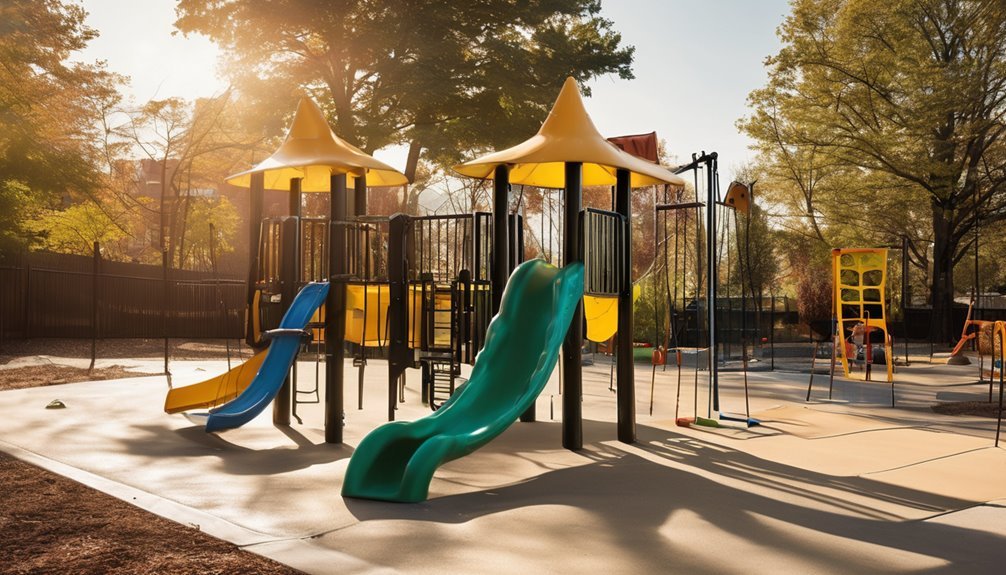
Composite blends mix durability with cost-effectiveness, offering a practical middle ground between pure plastics and solid wood. You’ll find a balanced profile: tough, fade-resistant surfaces paired with softer, easier fabrication. These materials typically combine recycled polymers with wood fibers or other fibers, boosting stiffness while keeping weight manageable. Consider how they respond to sun exposure, moisture, and temperature swings, since installation considerations hinge on environmental conditions and fastener compatibility. Routine inspection highlights surface wear, edge chipping, and joint integrity, guiding timely maintenance decisions. Selection should align with your site’s traffic, safety standards, and budget constraints, ensuring a cohesive playground aesthetic. With proper care, composites sustain color, grip, and structure for years.
Composite blends offer durable, cost-friendly surfaces with fade resistance and thoughtful installation considerations.
- Durability with cost-effectiveness
- Sun, moisture, and temperature tolerance
- Installation considerations and fastener compatibility
Construction Quality and Safety Standards
How do you ensure a playground stands up to daily use and local safety codes? You focus on construction quality from the ground up, vetting materials, welds, fasteners, and coatings for consistency and performance. Look for manufacturer adherence to safety standards, third-party testing, and compliant installation manuals. Your checklist should include corrosion resistance, impact attenuation, and pinch-point prevention, plus guardrail heights and structural redundancy. Evaluate connection details: reinforced joints, tamper-resistant hardware, and proper anchoring to prevent movement. Documentation matters: traceability, warranty terms, and maintenance schedules that align with local requirements. Prioritize products with clear safety standards certifications and easy-to-follow inspection routines. By selecting thoughtfully, you create a community-friendly space that delivers reliable, long-term safety and shared confidence.
Lifespan and Durability Under Heavy Use
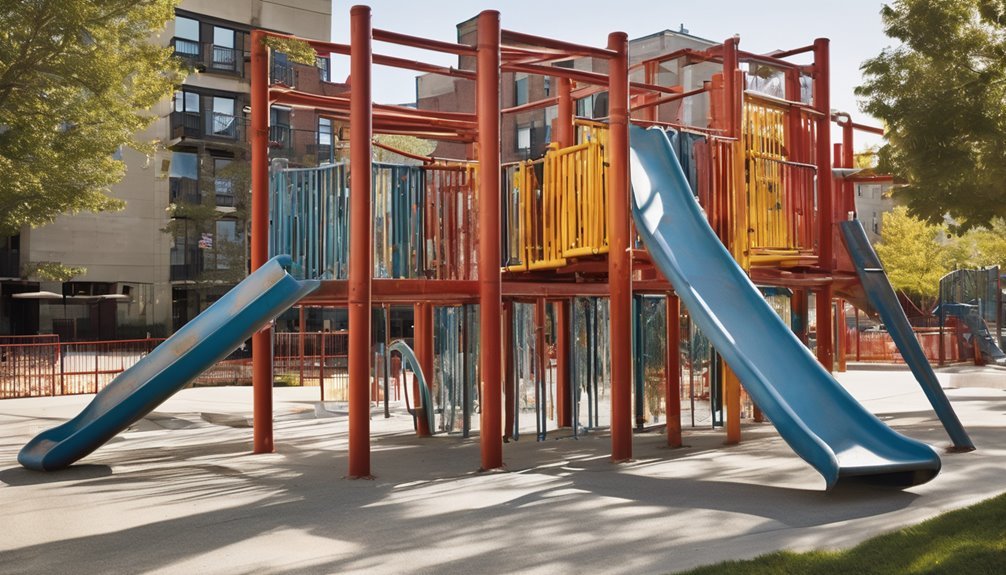
Are you confident your playground can survive years of daily use and rough conditions? In this section, you’ll assess lifespan and durability under heavy use. Focus on durability factors that influence performance: frame material strength, joinery, coating adhesion, and component redundancy. Consider how heavy use impact stresses—swing and slide loads, climbing forces, and soil impact from play surfaces. Choose designs that tolerate repetitive cycles, resist deformation, and maintain trim lines for safety. Look for standardized testing results, warranty language, and visible wear indicators that alert you early. Prioritize modular systems allowing replacement of worn parts rather than entire units. Your goal is predictable service life, minimal downtime, and consistent safety standards.
- Durability factors and heavy use impact in real-world scenarios
- Replaceability, warranties, and serviceability over time
- Visible wear indicators guiding proactive maintenance
Maintenance and Upkeep Requirements
Maintaining a playground designed for heavy use requires a clear, ongoing upkeep plan that protects both performance and safety. You’ll implement a practical maintenance schedule that fences in inspection intervals, component checks, and timely replacements before failures occur. Prioritize a predictable rhythm: daily visual sweeps for hazards, weekly surface and anchor inspections, and monthly undercover checks of soft mulch, rubber, or turf infill. Document findings in a centralized log so your team and stakeholders share accountability. Cleaning protocols should address debris, growth, and weather effects without compromising material integrity; specify soap types, brush techniques, and rinse practices to avoid residue buildup. Train staff to recognize wear patterns, corrosion, and loose fasteners, enabling swift, consistent action. With disciplined routines, your playground stays safe, inviting, and enduring for communities you serve.
Budgeting, Planning, and Site Considerations
Budgeting, planning, and site considerations are the cornerstones of a successful playground project, ensuring you get safe, durable equipment within your means and on schedule.
You’ll optimize budget by identifying must-haves vs. nice-to-haves and pricing for permits, installation, and maintenance. Budgeting considerations include lifecycle costs, freight, and contingencies so you’re not surprised by hidden fees. For site feasibility, assess soil, drainage, access, and local codes early to avoid costly redesigns. Engage stakeholders so everyone feels included in decisions and timelines.
- Budgeting considerations: prioritize value, avoid scope creep, and build a realistic contingency.
- Site feasibility: evaluate soil, drainage, and accessibility to ensure smooth installation.
- Planning milestones: set clear deadlines, responsibilities, and approval checkpoints to stay aligned.
Warranty and Support: What to Expect
When you invest in commercial playground equipment, you should get clear, actionable coverage that aligns with your installation timeline and maintenance plan. In this section, you’ll map out warranty expectations upfront, focusing on material durability, frame integrity, and coating systems. Look for timelines that match your project schedule and on-site needs, plus documented procedures for claims and replacements. Understand what constitutes normal wear versus defect, and whether labor or shipping is included. Clarify support channels: dedicated phone lines, email, or portal access, with defined response times and escalation paths. Review transferability if ownership changes, and whether annual inspections are required to maintain coverage. Solid warranties reduce risk, while reliable support keeps your team confident and engaged long after kickoff.
Frequently Asked Questions
How Do Installation Timelines Vary by Playground Size?
An installation timeline scales with playground size: larger sites need more planning, permitting, and spacing, extending sequencing events from weeks to months. For you, a smaller playground might land in a few weeks, while a medium to large setup could stretch several months, inclusive of relocation and accessibility adjustments. You’ll benefit from phased work, clear milestones, and ongoing coordination, ensuring every detail fits your site and community needs, so every kid feels a sense of belonging from day one.
Can Equipment Be Relocated After Installation?
Yes, equipment can be relocated after installation, but it’s subject to relocation feasibility. You’ll need professional assessment, potential anchor reconfigurations, and compliance checks for safety standards. Post installation adjustments are possible, though certain structures, footprints, and surfacing may limit moves. Plan with your playground team to outline exact objectives, timelines, and reuse areas. If feasible, you’ll minimize downtime and keep disruption low, ensuring the new layout maintains safety margins and accessibility for every user.
Are There Accessibility Compliance Features Beyond ADA?
Yes—there are accessibility features beyond ADA you should consider. You’ll want inclusive design elements like multi-sensory surfaces, adjustable-height equipment, transfer platforms, and clear wayfinding. Compliance considerations also include local accessibility codes, sightline visibility, and boundary-free routes. You’ll benefit from partnering with manufacturers who test for universal design, not just minimum standards. By prioritizing these features, you create a welcoming, safe space where everyone feels they belong while meeting evolving regulations.
What Environmental Certifications Do Materials Carry?
Environmental certifications vary by material, but common ones include FSC, GREENGUARD, Green Seal, and BREEAM. You’ll want to verify chain-of-custody, low-VOC finishes, and third-party audits. When evaluating playground components, ask for documentation on material sustainability, lifecycle analyses, and post-consumer recycled content where applicable. This helps you make responsible choices that fit your site’s values, supports inclusive participation, and builds trust with families and staff alike.
How Does Seasonal Weather Affect Warranty Validity?
Seasonal weather can affect warranty validity, especially through weather related exclusions that specify how normal seasonal conditions aren’t covered. You should review your plan for freeze-thaw cycles, excessive moisture, and heat exposure, which may void certain claims. To protect yourself, document installation dates and weather during installation, and follow maintenance schedules closely. Understanding Seasonal warranty impact helps you belong to a responsible ownership group, ensuring you meet conditions and keep coverage intact during changing seasons.