
To pitch a playground upgrade to your apartment association, start by framing the need around belonging, safety, and daily resident routines. Present data on usage, fall zones, surface resilience, and accessibility to show how upgrades reduce injuries and broaden access. Outline a phased plan with clear costs, timelines, and maintenance commitments, plus a transparent ROI tied to property value and resident satisfaction. Anticipate concerns with a Q&A and show win-wins for safety, community cohesion, and pride—you’ll learn more as you proceed.
Identify the Need: Why a Playground Upgrade Matters to Residents
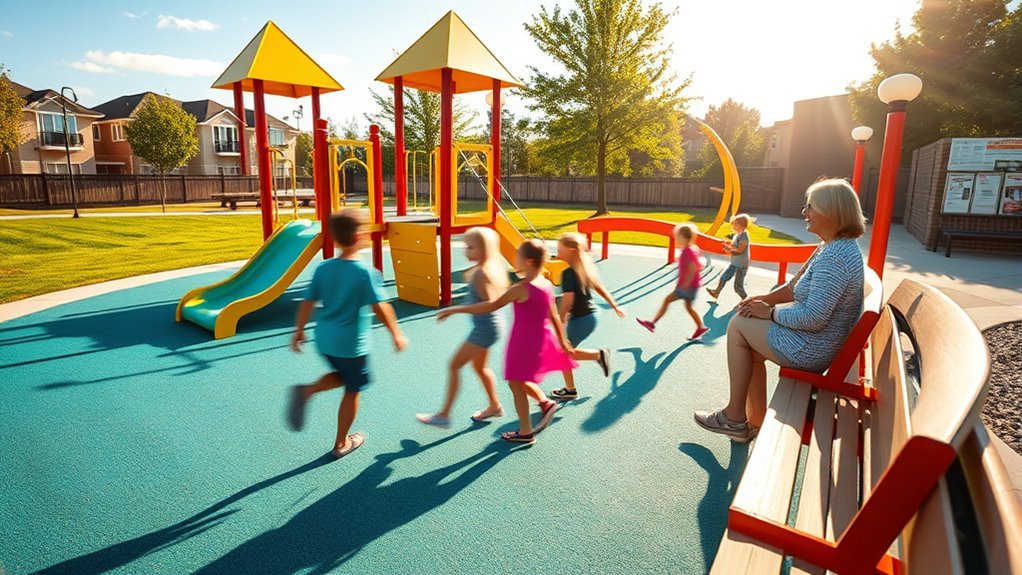
A playground upgrade matters as it directly impacts how residents experience daily life: safer, more inclusive, and enjoyable outdoor space for kids and families. You’ll frame the need around belonging, showing how a better play area strengthens community ties. Concerns from concerned residents aren’t obstacles; they’re guidance, pointing to what matters most: safety metrics, accessible design, and reliable maintenance. When you present data on fall zones, surface resilience, and sightlines, you convert worry into confidence. Emphasize how upgrades reduce injuries, invite broader usage, and support daily routines—after school, weekends, and casual meetups. A clear, targeted case helps the association see value beyond aesthetics, linking improvements to resident wellbeing, brand trust, and long‑term property resilience. Your proposal becomes a shared, compelling vision.
Gather Data: Usage, Safety Concerns, and Accessibility Facts
To show the case for a playground upgrade, gather concrete usage data, safety concerns, and accessibility facts that residents care about. You’ll quantify how often equipment is used, peak times, and observed wear. You’ll surface safety concerns—trip hazards, broken rails, and surfacing adequacy—so everyone understands risk. You’ll collect accessibility facts—ramp access, ADA-compliant pathways, and inclusive play options—so families feel welcome. Present a clear baseline that anchors discussions and builds trust among neighbors who value belonging and safety.
Assess usage, safety, and accessibility to ground a trusted playground upgrade plan.
- usage data: current utilization, peak hours, and user demographics
- safety concerns: hazards, maintenance gaps, and incident trends
- accessibility facts: barriers, compliance status, and inclusive design opportunities
Define Goals and Success: What Does Success Look Like for Families?
What does success look like for families when we upgrade the playground? You’re aiming for tangible, measurable outcomes that lift belonging and everyday joy. Define success as increased community engagement, inclusive play, and safer, longer use by diverse ages. Pin down how you’ll measure happiness, usage, and accessibility, then anchor goals to residents’ lived experiences. Align features with inclusivity design: shade, accessible paths, varied play levels, and seating that welcomes caregivers. Set clear milestones—monthly park visits, feedback sessions, and reduced incidents. Use the table to visualize priorities and outcomes.
| Priority | Outcome |
|---|---|
| Community engagement | More neighborhood events, volunteer days |
| Inclusivity design | Accessible routes, multi-sensory equipment |
This clarity guides decisions, builds trust, and fuels collective pride.
Build the Cost-Benefit Case: Budget, ROI, and Risk Considerations
You’ll map out where the budget fits, clarify how funds are allocated, and highlight the ROI you can realistically expect. We’ll outline a practical ROI in practice, showing how increased property value, leasing appeal, and resident satisfaction translate to long-term gains. Then you’ll present a risk and mitigation plan that details potential hurdles and how you’ll minimize them, keeping the project on track.
Budget Allocation Basics
Allocating the budget for a playground upgrade isn’t just about numbers; it’s about proving value to your association. You’ll frame costs as a clear plan: initial build, ongoing maintenance, and guardrails for safety and participation. Focus on shared benefits, not just price tags, so members feel ownership from day one.
1) Prioritize low cost options that meet safety and longevity, reducing future surprises.
2) Map seasonal usage to scheduling, maintenance windows, and fundraising events, smoothing cash flow.
3) Quantify risk mitigation—insurance, compliance, and warranties—to protect the association’s assets.
A concise, structured proposal that aligns with member values invites belonging and trust, while showing you’re thoughtful about every dollar and every season.
ROI in Practice
Ever wondered how a playground upgrade pays for itself beyond the upfront costs? You’ll build a solid cost-benefit case by linking budgets, ROI, and risk awareness to resident value. Focus on three levers: boosting community engagement, enhancing playground branding, and elevating daily satisfaction. When residents feel ownership, you gain higher turnout at fundraising and stronger advocacy at meetings. Calculate ROI with tangible metrics: reduced maintenance over time, increased leasing appeal, and potential sponsorships. Communicate quick payback timelines and long-term savings to stakeholders.
| Impact | Metric | Timeframe |
|---|---|---|
| Community engagement | Participation rate | 12–18 months |
| Playground branding | Brand recognition | 6–24 months |
| Financial health | Net savings | 2–5 years |
| Resident retention | Tenure, renewals | 1–3 years |
| Sponsorship opportunities | Funds raised | 12 months |
Risk and Mitigation Plan
A solid cost-benefit case isn’t complete without a clear risk and mitigation plan that ties budget, ROI, and resident value to action. You’ll map risks to concrete mitigations, showing how costs stay controlled while benefits stay visible to neighbors. Use accessible materials to simplify maintenance and ensure quick turnover if plans change, and address weather considerations so play spaces stay safe year-round. Your plan demonstrates foresight, builds trust, and reinforces belonging.
- Identify top risks (cost overruns, supply delays, weather impacts) and assign owners with deadlines.
- Define mitigation actions (bulk purchasing, phased rollout, durable materials, weatherproofing) and a monitoring schedule.
- Align contingency buffers with ROI targets, updating residents regularly on budget vs. outcomes.
Stakeholders and Buy-In: Who to Engage and How to Persuade
Who matters most when you pitch a playground upgrade to your apartment association, and how do you win their support? You’ll engage key stakeholders early, speaking in terms of shared belonging and community value. Your aim is stakeholder engagement that feels collaborative, not combative, and to harness persuasive storytelling that connects everyday benefits to resident pride. Map allies (board members, parents, staff) and concerns (budget, safety, maintenance). Then demonstrate win-wins: improved safety, social cohesion, and property appeal. Use transparent timelines and cost clarity to build trust.
| Who to engage | Why it matters |
|---|---|
| Board members | Set priorities and approve funding |
| Parents and residents | Drive adoption and usage |
| Property staff | Ensure safe, sustainable maintenance |
Craft a Clear, Persuasive Presentation: Messaging, Visuals, and Q&A
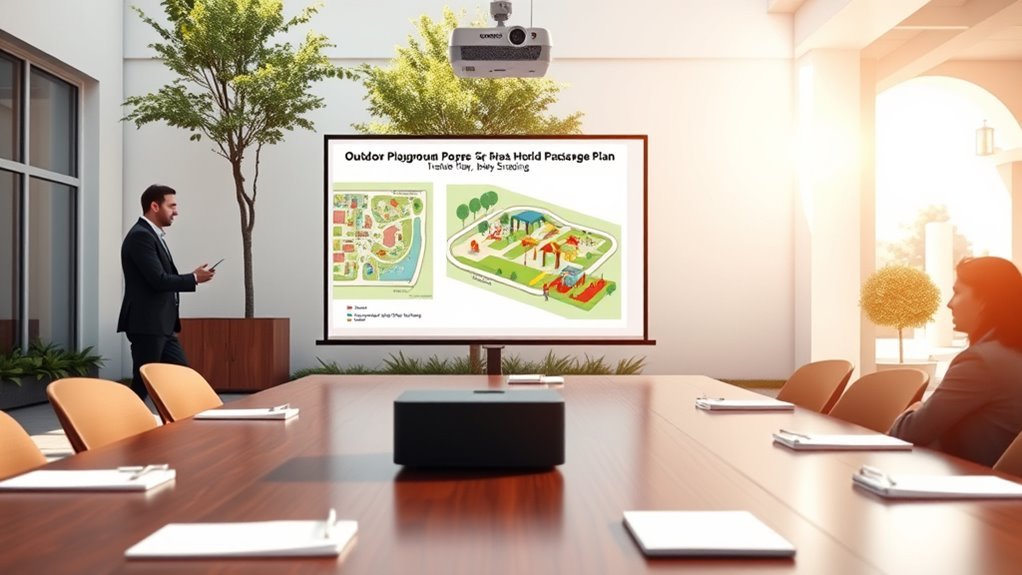
Craft a clear, persuasive presentation by aligning messaging with resident priorities, using concise language, and backing every claim with tangible benefits. You’ll frame the upgrade around community joy, safety, and value, not just features. Tie visuals to everyday experiences: bright, durable playground aesthetics that invite all ages and backgrounds. Follow branding guidelines to ensure consistency, credibility, and pride in the project. Prepare to address questions with data and real-world outcomes, showing timelines, costs, and maintenance plans.
1) Structure your slides to tell a simple story: problem, solution, impact.
2) Use visuals that reflect inclusivity and durability, echoing branding guidelines.
3) Anticipate concerns with clear, evidence-backed Q&A slides that reframe objections as wins.
Plan for Safe, Inclusive Rollout: Implementation, Safety Checks, and Accessibility
How can you roll out a playground upgrade safely and inclusively, without disruption to residents? Plan a phased rollout with clear milestones, so you can monitor progress and address promptly. Begin with a detailed implementation map: site prep, equipment delivery windows, and temporary play zones to maintain activity for families. Establish safety checks at each phase—inspection checklists, fall zones, and compliant surface materials—to protect all ages and abilities. Prioritize accessibility from day one: curb-cut paths, inclusive playground equipment, and clear signage. Communicate progress regularly to build trust and avoid surprises. Ensure vendor negotiation yields transparent timelines, warranties, and support. Tie decisions to playground aesthetics that welcome everyone, while align with budget and compliance. This disciplined approach demonstrates belonging and responsible stewardship.
Frequently Asked Questions
How Will Maintenance Costs Be Funded Long-Term After Upgrade?
Even 60% of residents prefer shared costs for upgrades. You’ll fund long term sustainability through blended funding models: a mix of reserve contributions, user fees, grants, and philanthropy, ensuring predictable maintenance without imposing sudden assessments on you.
What Metrics Indicate Success Beyond Resident Satisfaction?
You measure success by resident engagement and cost transparency, not just smiles. You’ll see sustained participation, fund stewardship, and clear budgeting every quarter, reinforcing belonging as well as demonstrating responsible upgrades that invite ongoing community pride and shared responsibility.
How Will Noise and Space Constraints Affect Neighbors?
Did you know 60% of residents report quiet hours matter most? Noise impact and space constraints shape neighbors’ experience; you’ll minimize disruption by smart layout, sound-friendly materials, and phased construction so everyone feels included and respected.
What Are Emergency Accessibility Fixes During Renovation?
During renovation, implement emergency accessibility upgrades like ramps, clear exits, and portable signage. Plan renovation contingencies to keep paths open, stairwell access maintained, and coordination with building staff to ensure everyone feels included and safe.
How Can Residents Participate in the Decision-Making Process?
Coincidence sparks involvement: you shape the outcome by joining discussions, sharing ideas, and asking questions. You’ll follow a clear resident participation, decision framework, to guarantee your voice guides upgrades and strengthens community belonging.