
Transform Bangalore societies into a Disneyland-style playground by centering tropical-climate design, local culture, and durable, low-maintenance materials. You’ll boost safety with visible supervision, soft surfaces, and clear safety checks while creating immersive story-driven zones that blend imaginative play with physical development to cut screen time. Use locally resonant motifs, multilingual signage, and shade-rich layouts to cultivate inclusion and belonging. Plan in phased budgets, involve residents and builders, and track participation and maintenance to guide improvements—the next steps await.
Identify the Needs: Why Bangalore Benefits From a Disneyland-Style Playground
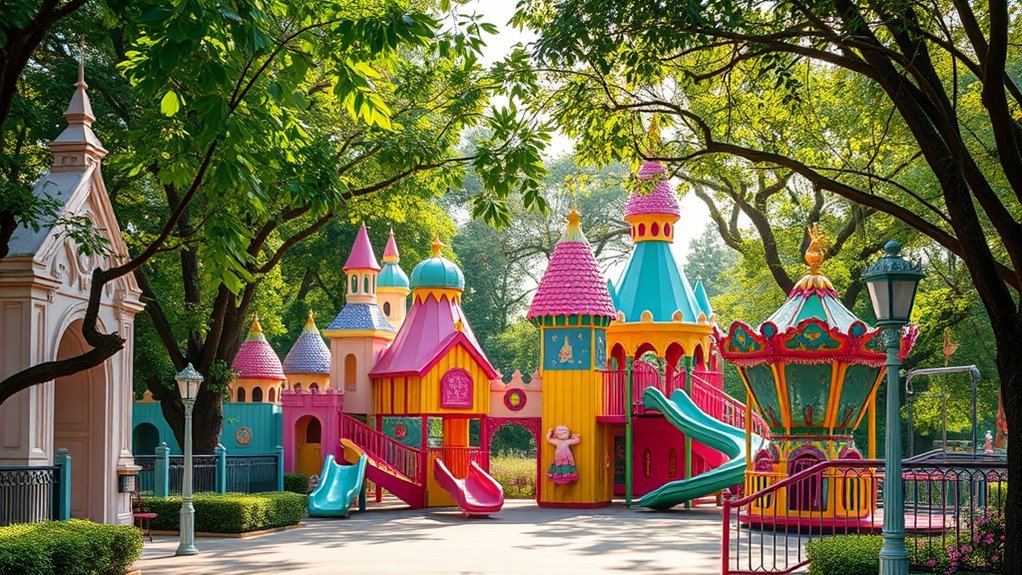
A Disneyland-style playground in Bangalore isn’t just about fun; it responds to a clear set of community needs: safe, inclusive, and engaging spaces that nurture active play, social interaction, and outdoor time for children of all ages. You’re seeking immersive safety, where visibility, soft surfaces, and standardized checks support calm supervision and confidence for families. Data shows youngsters benefit from structured yet flexible zones that blend imaginative play with physical development, reducing screen time and increasing outdoor activity. Budget phasing helps communities scale features without overextension, aligning capital outlay with ongoing maintenance. A locally sourced, sustainable approach lowers long-term costs while boosting inclusivity—accessible paths, calm-down corners, and multilingual signage invite participation from diverse households. In sum, the project reinforces belonging through intentional design, measured investment, and shared stewardship.
Design for Tropical Climate: Core Principles That Work in Bangalore
Comprehending the tropical climate of Bangalore guides what a themed playground can actually endure and serve. You design with shade, rain runoff, and ventilation in mind, prioritizing comfort across monsoon and heat. Data shows high footfall in evenings; thus, layout cool microclimates and accessible paths nurture inclusion. Sustainable materials and smart shading reduce energy use while keeping play joyful. You harmonize with residents’ routines, inviting input on peak usage times and safety checks, since theme implementation succeeds when users feel ownership. Site planning emphasizes rainfall resilience, drought-friendly planting, and low-maintenance greenery that still delights. You advance equity by scheduling collaborative workshops, ensuring every voice shapes features. Through ongoing user collaboration, the playground remains adaptable, inviting, and truly belonging to your community.
Climate-Resilient Materials and Safety: Durability You Can Trust
How can you guarantee playgrounds in Bangalore endure weather and wear without sacrificing safety or joy? You’re seeking materials that are durable, low-maintenance, and toxin-free, so communities feel confident and connected. Climate-resilient choices reduce lifecycle costs while supporting safety standards and inclusive use. Data shows UV-stable polymers, corrosion-resistant metals, and composite surfaces outperform in monsoon cycles and heavy use, helping theme parks thrive without frequent replacements. Pair with accessible, shade-friendly layouts and color palettes that hide wear while inviting all ages to explore together. Your decisions shape trust, longevity, and belonging across the neighborhood.
Climate-resilient, toxin-free playgrounds shielded by durable materials and inclusive layouts.
- Material lifecycles that minimize maintenance and waste
- Non-slip, impact-absorbent surfaces aligned with safety data
- Color palettes and finishes that sustain aesthetics in rain and sun
theme parks, color palettes
Locally Resonant Theme Concepts for Bangalore’s Parks
You’ll explore how Local Cultural Motifs can shape Playful Public Spaces that reflect Bangalore’s neighborhoods. Data shows these resonant themes boost community engagement and reuse of spaces, with Eco-Friendly Materials supporting long-term sustainability. Together, we can map preferences for locally inspired designs and pilot low-waste playgrounds that celebrate tradition while promoting inclusivity.
Local Cultural Motifs
Local Cultural Motifs in Bangalore’s parks should reflect everyday life, heritage, and crafts that residents already recognize, weaving motifs like the hafla of street vendors, temple chariots, and Mysore finery into design elements that feel familiar and respectful. You’ll see quantifiable benefits when motifs reinforce cultural symbolism and religious symbols, guiding maintenance, safety, and community buy-in. Data indicates residents rate recognizability and inclusivity high in shared spaces, boosting footfall and stewardship. Patterns should minimize resource waste while maximizing durable resonance with local identity. Engaging residents in motif selection improves upkeep and reduces vandalism, creating a sense of belonging that lasts across generations.
- Hafla-inspired market silhouettes that honor daily commerce
- Temple chariot motifs integrated with accessible pathways
- Mysore finery textures expressed in durable, low-waste materials
Playful Public Spaces
Can playful spaces truly dive a park’s sense of belonging whereas staying true to Bangalore’s daily rhythms? You’ll notice how locally resonant theme concepts shape gathering points, not just attractions. Data shows higher visitation when play zones mirror daily commutes, markets, and school rhythms, inviting everyday users to linger. Thoughtful design blends familiar textures with subtle /theme crossover elements, balancing novelty with comfort. Community surveys highlight pride when spaces host informal performances, pop-up workshops, and visible stewardship by residents associations. Consider outside influence as a design input, ensuring diverse voices shape safety, wayfinding, and inclusivity. The aim is low-wussiness maintenance, high-use resilience, and shared ownership—so play becomes a civic practice, not just recreation, reinforcing belonging across Bangalore’s neighborhoods.
Eco-Friendly Materials
Eco-friendly materials anchor locally resonant theme concepts by blending durability with Bangalore’s everyday rhythms. You’ll see how recycled plastics, rubber, and responsibly sourced timber translate into safe playground surfaces, sturdy panels, and tactile cues that echo neighborhood textures. Data shows lower lifecycle costs when maintenance aligns with local supply chains, supporting theme cohesion across zones. By prioritizing regional manufacturers, you reduce transport emissions and support budget realism without sacrificing quality. Community surveys reveal stronger ownership when materials reflect local craft and climate resilience. The result is inclusive spaces where kids and families feel they belong, and where planners can justify decisions with concrete metrics. Together, we chart practical, sustainable builds that endure season after season.
- Locally sourced materials with clear lifecycle data
- Transparent cost tracking aligned to budget realism
- Culturally resonant, durable design elements
Roles That Drive Success: Residents, Architects, and Builders
You’ll see how Residents’ Vision Alignment guides safer, more inclusive play spaces aligned with local needs and long-term sustainability goals. Architects’ Thematic Innovation translates data and community input into engaging, durable designs that fit budgets and environmental targets. Builders’ Timely Coordination ensures projects stay on schedule, minimizing waste and disruption while unlockable scalable, high-impact playgrounds.
Residents’ Vision Alignment
Residents’ vision alignment hinges on clear, collaborative roles among residents, architects, and builders. You’ll see success when you co-create a shared shortlist of goals, measurable benchmarks, and ongoing feedback loops that honor cultural symbolism and mythic mascots as storytelling anchors. Data guides decisions, while community input ensures relevance and belonging. You’ll track metrics like participation rates, budget adherence, and sustainability outcomes, adjusting plans transparently to keep trust high.
- Co-design sessions that map symbols, rituals, and spaces to daily living
- Transparent dashboards for budget, timelines, and environmental impact
- Regular rituals or micro-events that reinforce mythic mascots and local identity
Architects’ Thematic Innovation
Architects’ thematic innovation builds on residents’ and builders’ shared goals by turning local stories, myths, and symbols into concrete design choices. You translate data from resident surveys, site visits, and safety audits into play zones that feel authentic yet inclusive. Theme inspiration guides layout, color, and play equipment, ensuring each element reinforces a sense of place without sacrificing accessibility. You prioritize material sourcing that reduces embodied energy, favors local crafts, and sustains long-term maintenance. Stakeholder workshops shape prototypes, with iterative feedback loops that refine safety, durability, and playful surprise. Sustainability-minded decisions—shade canopies, permeable pavements, rainwater capture—support community resilience. When residents see their narratives echoed in structures, belonging deepens, trust grows, and the playground becomes a shared identity, not just a space.
Builders’ Timely Coordination
Builders’ timely coordination keeps project momentum intact by synchronizing schedules, budgets, and on-site workflows among residents, architects, and builders. You’ll see how transparent planning reduces delays, guarantees quality, and supports a shared sense of ownership. Data shows coordinated reviews cut rework by a meaningful margin, while inclusive decision-making strengthens community trust. When budget constraints come into play, proactive communication about milestones and contingencies minimizes surprises. Speculative funding discussions, staged investments, and clear accountability keep the project sustainable and socially responsible. You’re part of a collaborative network that values belonging, accountability, and measurable progress.
- Synchronize schedules and budgets through collective planning for predictable outcomes
- Prioritize transparent reporting to counter budget constraints and enable informed decisions
- Utilize speculative funding with phased milestones to sustain momentum and community trust
Immersive Elements for Kid-Centric Play (Safe and Inclusive)
In Bangalore’s themed playgrounds, immersive, kid-centric play should feel like a living story—safe, inclusive, and grounded in what families actually experience. You’ll design with data-backed insights: inclusive access points, multilingual signage, and sightlines that reduce anxiety for anxious children. Immersive elements must pair wonder with clear safety cues, routine sanitization, and age-appropriate challenge levels to sustain participation across seasons. Story-driven zones should reflect local heritage while inviting global imagination, tracked by user feedback and attendance metrics. Prioritize durable, low-emission materials and modular components that adapt to community needs. Center community outreach to surface diverse perspectives, and align with funding strategies that blend grants, resident-led fundraising, and phased material upgrades. This approach builds belonging, trust, and long-term stewardship among residents.
Budget and Phasing: Planning a Realistic Rollout for Societies
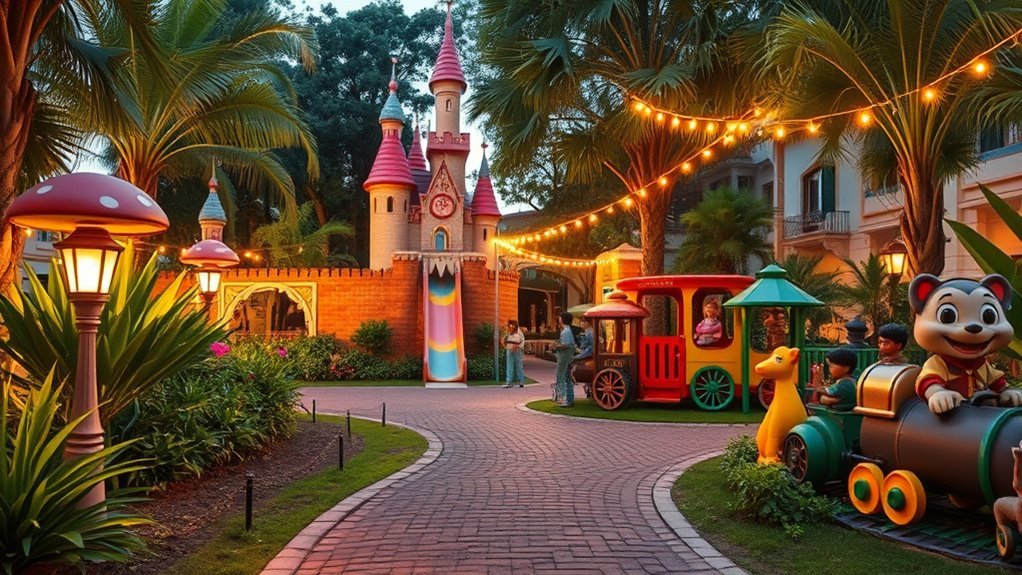
How can you translate a vision for themed playgrounds into a realistic budget and phased rollout that works for Bangalore societies? You’ll map costs against community value, prioritizing activities that amplify safety, inclusivity, and local materials. A data-driven plan highlights budget constraints, identifies phasing risks, and keeps stakeholders aligned with transparent timelines. Start with a baseline, then layer in scalable features, so every rupee advances belonging and long-term sustainability. Use phased milestones tied to funding cycles, resident committees, and local partnerships, reducing disruption and maximizing social impact.
Translate a Bangalore-friendly, budget-smart phased plan for themed playgrounds that maximizes safety, inclusivity, and local materials.
- Prioritize high-impact zones first, with modular designs that adapt to budget cycles
- Align procurement, permits, and safety standards to minimize phasing risks
- Track metrics on participation, satisfaction, and resource use to guide iterative improvements
Maintenance and Community Engagement: Keeping Playgrounds Lively
As you transition from planning to sustaining a lively space, you’ll rely on regular upkeep, resident involvement, and transparent feedback loops to preserve safety and appeal. Maintenance schedules and safety audits become daily habits, not afterthoughts, guiding timely repairs and risk reduction. You’ll foster a sense of belonging by inviting neighbors to volunteer rotations, share observations, and celebrate small wins together. Data-driven reviews help you track usage, wear, and incident trends, informing smarter renewals and material choices. Transparent reporting builds trust, while sustainability-minded tweaks—local materials, rainwater use, and energy-efficient lighting—keep the playground vibrant for generations. Your community thrives when upkeep feels collective, inclusive, and purposeful.
| Topic | Responsibility | Frequency |
|---|---|---|
| Routine checks | Maintenance team | Weekly |
| Resident reports | All residents | Ongoing |
| Safety audits | Safety officer | Quarterly |
| Inventory | Committee | Monthly |
| Improvements | Steering group | Biannual |
Measuring Success: What Wins Look Like in Your Society
What exactly counts as a win for your playground community, and how do you measure it in a way that’s clear and actionable? In a data-driven, inclusive approach, you’ll use a needs assessment to identify priorities and track progress against shared goals, while safety compliance remains non-negotiable. Success isn’t just smiles; it’s measurable improvements in participation, usage diversity, and perceived safety. You’ll align metrics with resident feedback, monitor maintenance turnaround, and quantify environmental benefits from sustainable design choices. The outcome is a thriving, belonging‑driven space that families trust and defend.
- Participation rates and activity variety across age groups
- Safety compliance scores and incident trends
- Maintenance response times and sustainability indicators
Frequently Asked Questions
How to Balance Cost With Iconic Disneyland Vibes in Bangalore?
To balance cost, you prioritize cost efficiency, budgeting tips, and immersive branding; study design references, track data on usage, involve the community, and choose sustainable materials to foster belonging while delivering iconic vibes within your budget.
What Permits or Approvals Are Required for Themed Playgrounds?
Permits required and approvals needed vary by city, but you’ll traverse through local building, safety, and environmental checks. You’ll submit plans to authorities, involve stakeholders, and adopt green standards for a community-minded, sustainable playground.
How to Ensure Accessibility for Children With Disabilities?
You ensure accessibility by inclusion design and ongoing accessibility audits, designing with universal paths, sensory-friendly spaces, and adaptive equipment; you prioritize data-driven insights, community voices, and sustainable materials to nurture belonging for every child.
Which Local Vendors Supply Climate-Ready, Durable Play Elements?
You’ll find local vendors supplying climate-ready, durable play elements through credible vendor sourcing, prioritizing themed materials and longevity. This data-driven, sustainability-minded approach helps you build belonging in the community while showcasing resilient, engaging play spaces.
How to Align HOA Rules With Immersive Theme Experiences?
On balance, align HOA rules with immersive experiences by formalizing theme compliance guidelines and neighbor engage plans, ensuring consistent standards; you’ll foster belonging, drive data-driven decisions, and sustain communities through transparent, inclusive, and eco-conscious governance.