
Custom branding your school playground equipment is a growing trend as it turns outdoor spaces into daily learning moments and a source of pride. When you harmonize colors, mascots, and logos with your school values, you cultivate safer social interactions, stronger belonging, and easy wayfinding. Branding creates a coherent campus voice, boosts engagement, and supports long‑term behavioral outcomes beyond classrooms. If you keep going, you’ll uncover practical steps from design to rollout and measurable impact.
Problem and Purpose: Why Schools Brand Playground Spaces and What Success Looks Like
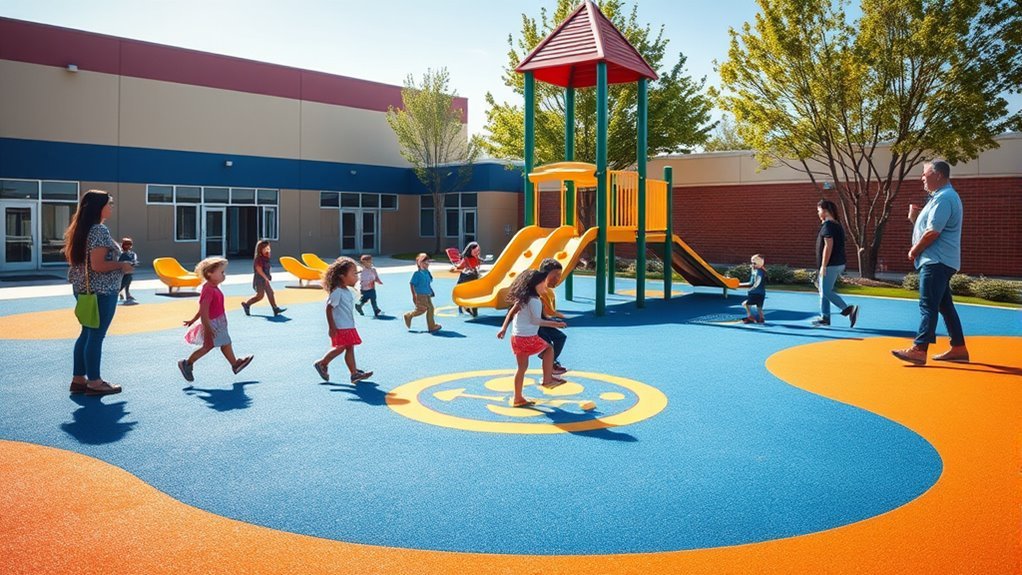
Branding a school playground isn’t vanity; it’s a strategic move to shape daily behavior, pride, and a sense of belonging. You’re aiming to create spaces that invite consistent use, positive interaction, and shared ownership. When spaces reflect your values, students feel safer, more inclusive, and motivated to contribute—not just spectate. The purpose isn’t decoration; it’s behavior shaping, community cohesion, and long-term engagement with learning beyond classrooms. Success looks like increased playground play that reinforces respect, cooperation, and school identity. You measure it through participation, feedback, and reduced conflicts during recess. Consider brand colorways and a thoughtful mascot evolution to ensure the space communicates continuity, progress, and belonging. Clear goals, inclusive design, and ongoing reflections keep the brand alive where students play, explore, and belong.
Define the Brand: Elements That Drive Recognition (Colors, Mascots, Logos)
To shape a recognizable brand for your school playground, you’ll focus on three core elements that people notice first: colors, mascots, and logos. These choices create instant recognition and belonging, guiding how students, families, and staff feel when they approach the space. When you engage these elements, you craft a cohesive story that supports ongoing interaction. Consider how color palettes evoke energy or calm, how mascot integration personifies values, and how logos signal safety and pride. Use these ideas to build consistency across signage, equipment, and uniforms.
1) Color palettes that echo your school spirit and drive positive mood
2) Mascot integration that reinforces shared identity
3) Logos placed for visibility and trust
Brand Identity in Play Spaces: How Branding Shapes Campus Culture
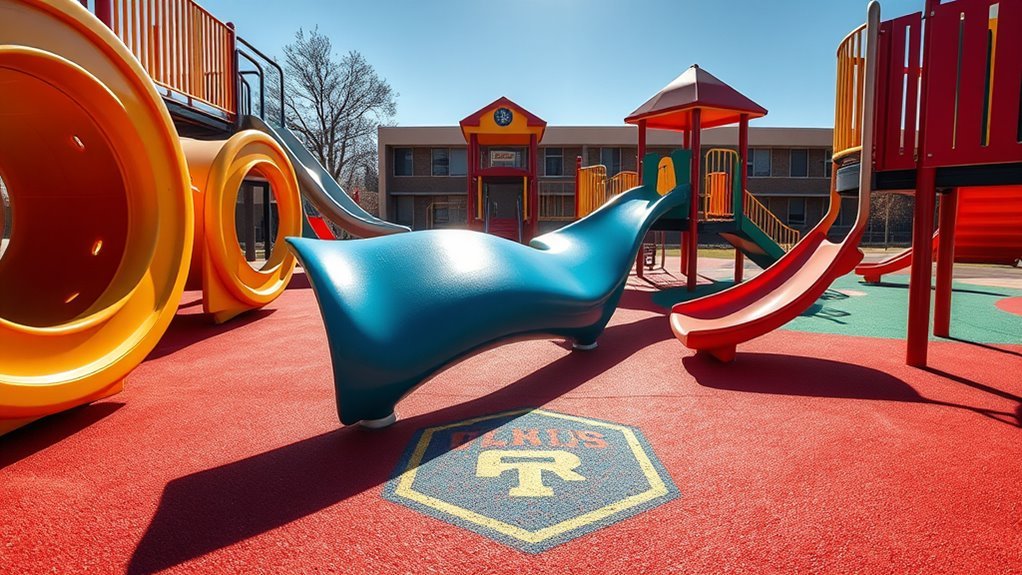
Could branding in play spaces really shape how a campus feels and functions? Yes. Brand identity in play spaces isn’t just decoration—it’s a daily cue that reinforces shared values, norms, and belonging. When you align playground branding with campus culture, you create a coherent environment where students, staff, and visitors instantly recognize the school’s voice. Consistent symbols, colors, and messaging build trust and safeguard a sense of unity across classrooms, hallways, and recreation areas. Color psychology guides mood and interaction, influencing cooperation, focus, and playfulness in moments of choice. You’ll notice stronger school pride, easier wayfinding, and calmer social dynamics during recess and after-school activities. Invest in brand consistency across equipment to cultivate an inclusive, recognizable atmosphere that people want to join.
Durability for Outdoor Branding: Materials That Stand Up to Weather and Wear
Ever wonder how the right materials can keep outdoor branding looking sharp year after year? When you choose durable options, your school’s look stays consistent through seasons and playtime. You’ll feel confident that investments pay off, and students sense care in every corner of their campus.
- Materials that pass durability testing keep colors vivid and logos intact, even after heavy use.
- Weather resistance matters most, from sun bleaches to rain and freeze-thaw cycles, preserving readability.
- Low-maintenance options save time for caretakers while ensuring long-term visibility and pride.
Budgeting for Branding: How to Estimate Costs and Measure ROI
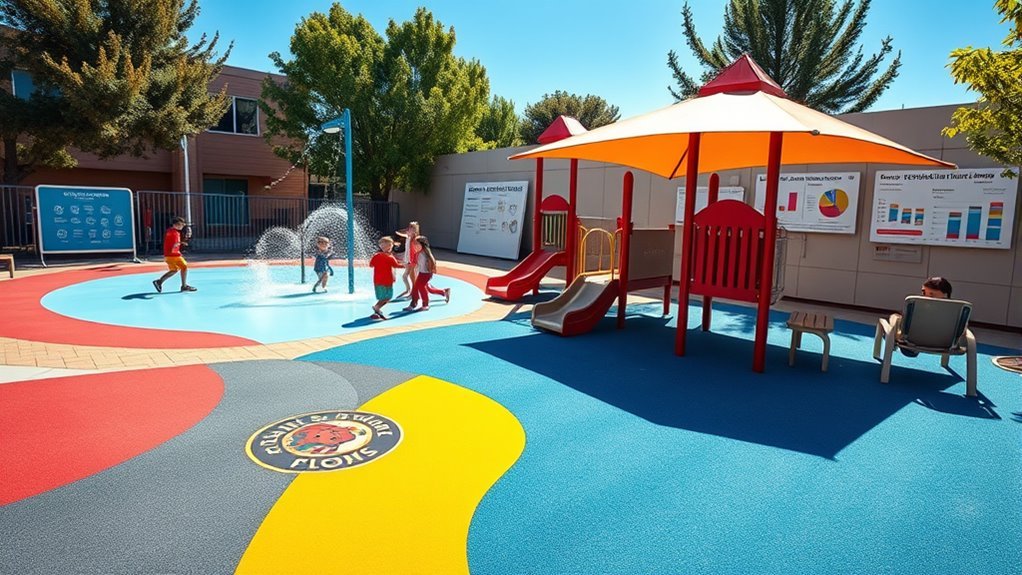
You’ll want a clear plan for budgeting your branding—from upfront cost estimation to ongoing maintenance—so you can justify every dollar. By using simple cost-estimation techniques and coordinating them with your school’s goals, you’ll set realistic budgets and anticipate return on investment. As you measure ROI, you’ll translate branding results into tangible impacts on engagement, perception, and long-term value for your students and community.
Cost Estimation Techniques
With precise budgeting for school playground branding, a disciplined cost estimation process isn’t optional—it’s essential. You’ll build trust with stakeholders by forecasting clearly and allocating resources where they matter most, including color governance and font licensing. You’ll also flag hidden costs early, so bids stay realistic and inclusive for every family.
- Gather transparent line items: materials, installation, permits, and maintenance, with color governance standards and licensed fonts in focus.
- Assign measurable baselines: unit costs, escalation factors, and lifecycle estimates to demonstrate long-term value.
- Validate with stakeholders: present scenarios, sensitivity ranges, and ROI implications to foster belonging and informed decisions.
With disciplined techniques, you project impact, avoid overspend, and align branding with your school’s culture and community.
ROI Measurement Methods
ROI measurement isn’t a afterthought in budgeting for branding—it’s the lens through which every dollar earns its keep. When you assess results, you’re validating shared values and strengthening belonging. Begin with clear branding metrics: track reach, recall, and sentiment across students, families, and staff. Pair these with concrete outcomes, like increased field usage, volunteer participation, or event attendance, to link branding to tangible benefits. Measure community engagement through participation rates, feedback quality, and peer referrals, not just impressions. Use a simple dashboard to compare costs against outcomes month by month, then adjust investments to magnify what resonates. Transparent reporting builds trust, invites collaboration, and reinforces the idea that branding is a collective investment in place, pride, and inclusive belonging.
Real-World Examples: Case Studies of Standout School Brands
You’ll see how Real-World Case Highlights translate into tangible gains when you compare standout brand narratives side by side. These Measurable Impact Stories show exactly what branding choice moved the needle for schools like yours. Use these insights to benchmark your own playground branding decisions and sharpen your strategy.
Real-World Case Highlights
Real-world case highlights reveal how thoughtful branding can transform a campus, turning playground spaces into potent identity platforms that boost pride, engage, and even fundraising. You’ll see schools aligning brand guidelines with everyday play, creating cohesive experiences from murals to equipment finishes. Color psychology guides choices that invite belonging and calm energy, reinforcing school culture at every break.
1) Study three standout cases where clear branding boosted community buy-in and student ownership.
2) Note how consistent color palettes and font choices unify disparate play zones under one campus identity.
3) Observe measurable gains in fundraising, volunteering, and student involvement after branding refreshes.
These real-world examples prove thoughtful branding isn’t decoration—it’s a strategic tool for unity, learning, and pride.
Standout Brand Narratives
Standout brand narratives in schools aren’t just about looks—they’re about shared meaning that people feel and act on. When you study real-world examples, you’ll see that successful brands translate values into everyday experience. A thoughtfully chosen color palette becomes a unifying thread, guiding student pride from hallway to playground. Mascot consistency across banners, uniforms, and signage reinforces a sense of belonging, so students see themselves in the story you’re telling. These narratives aren’t abstract slogans; they’re lived routines— pep rallies, classroom rituals, and community events that reinforce identity. You don’t need flashy gimmicks; you need continuity, clarity, and relevance. By aligning visuals, voice, and values, you craft a brand that invites every family to belong and contribute.
Measurable Impact Stories
Measurable impact stories bring the theory of standout school brands to life, showing exactly how branding investments translate into stronger culture, higher involvement, and better outcomes. You’ll see real-world moments where a cohesive brand voice and visible social engagement sparked pride, participation, and trust across students, staff, and families.
- A school brand refresh drives inclusive events that lift attendance and collaboration, proving culture matters as much as curricula.
- A consistent brand voice elevate s announcements, newsletters, and socials, boosting parent volunteering and student leadership.
- A visible social engagement plan turns playground launches and renovations into community rituals with lasting loyalty and advocacy.
These examples illustrate measurable gains in belonging, engagement, and achievement, turning branding into tangible value.
From Design to Installation: The Step-by-Step Branding Rollout
Have you ever wondered how a brand message travels from concept to playground reality? The design phase translates your values into visuals—colors, typography, and symbols that echo your brand identity. Next, you’ll align educational goals with practical constraints, ensuring signage, panels, and murals fit those high-traffic, outdoor moments without compromising outdoor durability. Stakeholders collaborate to approve a cohesive plan, then your branding moves into production, where materials, finishes, and vinyl applications are chosen for resilience against weather, sun, and frequent use. Installation follows a clear sequence: surface prep, precise placement, and stewardship checks to guarantee readability and safety. The result is a shared, inclusive space where every detail reinforces belonging, empowering students to recognize themselves in a durable, meaningful environment.
Maintaining Freshness: Refresh Cycles and Upkeep
As branding makes its way onto the playground, keeping it vibrant and legible over time isn’t a one-off effort but a ongoing practice. You’ll maintain freshness by scheduling timely refresh cycles and clear upkeep routines that fit school life, not just marketing diagrams. Avoid brand color mistakes by documenting palettes, and guard against mascot fatigue with refreshed, relevant visuals.
A living brand on campus thrives through scheduled refreshes, clear upkeep, and inclusive, community-driven reviews.
- Set a predictable refresh cadence and map color touchpoints to school events.
- Create a simple upkeep checklist for stickers, seals, and surface wear, updating as needed.
- Involve students and staff in periodic reviews to reinforce ownership and belonging.
If you stay intentional, your branding stays inviting, accurate, and meaningful to the whole community.
Evaluation and Next Steps: How to Test Impact and Plan Future Updates
So, how do you know your branding on the playground is landing—and what should you do next? Start with clear metrics: brand consistency across banners, signs, and play areas, plus feedback from students, families, and staff. Track engagement: visits to new features, time spent at themed zones, and participation in branding-related activities. Gather qualitative input through quick surveys and informal conversations to uncover meaning and belonging. Compare before-and-after data to reveal shifts in perception and pride. Plan next updates by prioritizing areas with the strongest impact and lowest friction, and involve stakeholders early to sustain momentum. Your roadmap should include testing pilots, iterating based on results, and communicating progress to reinforce a shared sense of belonging.
Frequently Asked Questions
How Long Does a Branding Rollout Typically Take in Schools?
A branding rollout in a school typically spans several weeks to a few months, depending on scope and stakeholder buy-in. You’ll map project timelines carefully, align with facilities schedules, and secure approvals in stages. Expect design reviews, procurement, installation, and staff training to unfold in parallel where possible. By staying organized and communicating early, you’ll keep momentum steady, minimize interruptions, and ensure your branding rollout feels cohesive, inclusive, and owned by every classroom and corridor.
What Grants or Funding Sources Support Playground Branding?
Funding sources for playground branding include grant opportunities from local foundations, corporate giving programs, and state or federal playground improvement funds. You’ll want to explore district-approved grants, PTA grants, and nonprofit grant databases to map options. By aligning project goals with funder priorities—wellness, STEM, inclusive spaces—you increase your chances. You deserve a community that feels owned; present a clear plan, budget, and impact metrics, and you’ll build belonging through every painted panel and inclusive play feature.
Can Branding Affect Student Safety and Supervision?
Yes, branding can affect safety and supervision. When you brand thoughtfully, branding safety becomes part of the environment, guiding behavior and reducing ambiguity for students. Clear identifiers help staff spot anyone needing help quickly, improving supervision impact. You’ll inspire pride and adherence to rules, which lowers risky actions. Invest in durable, legible branding that aligns with safety cues. You create belonging while supporting watchful eyes, turning branding into a proactive safety and supervision advantage.
How to Choose Colors for Accessibility and Inclusivity?
You should prioritize color accessibility and inclusive palettes, choosing hues with strong contrast and clear signaling for all ages. Start with high-contrast combos, test in different lighting, and invite feedback from students with diverse needs. Use color as a supporting cue, not the sole instruction. This approach helps everyone feel seen and safe, boosts usability, and reinforces belonging, while you confidently communicate the playground’s intent and inclusivity through thoughtful, accessible design.
What Privacy Considerations Arise With Branded Digital Features?
Symbolism: your school’s badge on a playground is a lantern; it lights curiosity, yet shadows privacy. You should consider privacy implications before you install branded digital features. You’ll face data collection as a quiet chorus—what’s gathered, how long, who sees it, and where it travels. You can advocate transparency, consent prompts, and minimal data. By prioritizing informed choices, you belong, you protect classmates, and you shape a trustworthy, inclusive community around your brand.