
In Bangalore’s tropical heat, you’ll want a layered sun-protection plan for outdoor play. Use broad-spectrum sunscreen SPF 30–50, reapply every two hours or after sweating or swimming, and wear protective clothing with UPF, plus a wide-brim hat and 100% UV sunglasses. Seek shade during peak sun hours, schedule activities before 10 a.m. or after 4 p.m., stay hydrated, and watch UV forecasts daily. With these steps, you’ll keep skin safer—and there’s more to learn if you keep exploring.
Understanding Bengaluru’s Sun: What UV Levels Mean for Outdoor Play
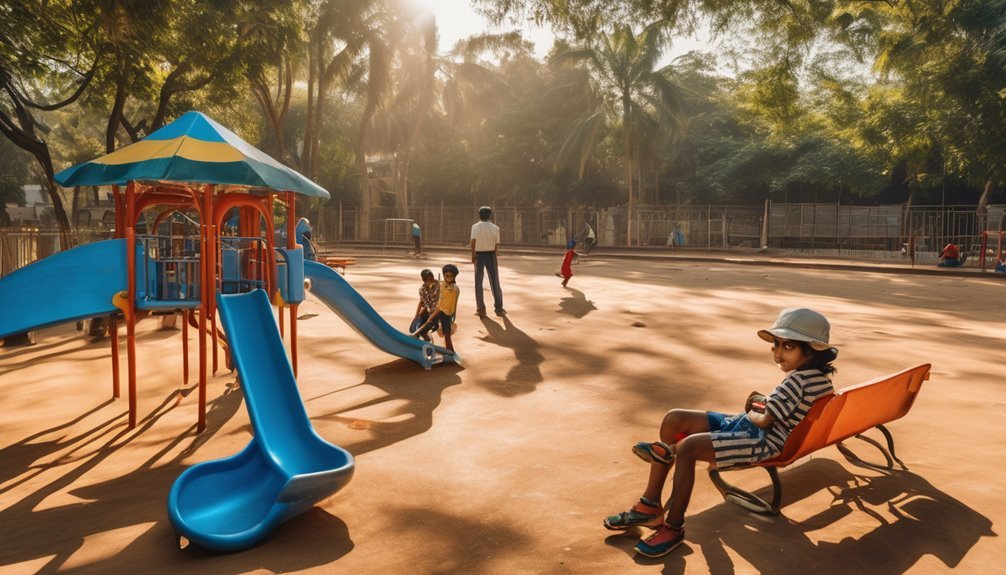
In Bengaluru, the sun isn’t just bright—it’s UV-heavy, especially from late morning to early afternoon. You’ll learn how to read uv level interpretation so you know when to take precautions during outdoor play. The city’s climate data shows high daily UV indexes in tropical seasons, meaning short periods of intense exposure can accumulate quickly. This helps with tropical heat adaptation: you can plan shade breaks and hydration around peak hours, easing worry about sun fatigue. There are common sun exposure myths about sunscreen alone protecting you; evidence suggests structure—shade, timing, and protective clothing—matters too. Understanding Bengaluru climate data empowers you to tailor play times, reduce risk, and feel connected to your environment and community.
Choosing Sun-Smart Sunscreen for Kids and Adults
As you map out sun protection after comprehension Bengaluru’s UV patterns, choosing the right sunscreen becomes a practical step for both kids and adults. To be sun smart, look for broad-spectrum SPF 30–50, water resistance, and ingredients suitable for sensitive skin. Apply 15–20 minutes before sun exposure and reapply every two hours, or after swimming or sweating. Choose fragrance-free formulas for all ages and consider mineral options (zinc oxide, titanium dioxide) for sensitive eyes. For kids, use smaller amounts and avoid high fragrance. Remember, sunscreen selection is part of a larger routine: shade, hats, and protective clothing complement protection.
| Skin type | Recommended approach |
|---|---|
| Sensitive | Mineral, fragrance-free sunscreen |
| Oily | Oil-free, non-comedogenic formula |
| Dry | Hydrating cream sunscreen |
| Active | Water-resistant, sweat-proof |
| All ages | Broad-spectrum SPF 30–50 |
Protective Clothing That Really Works in Tropical Heat
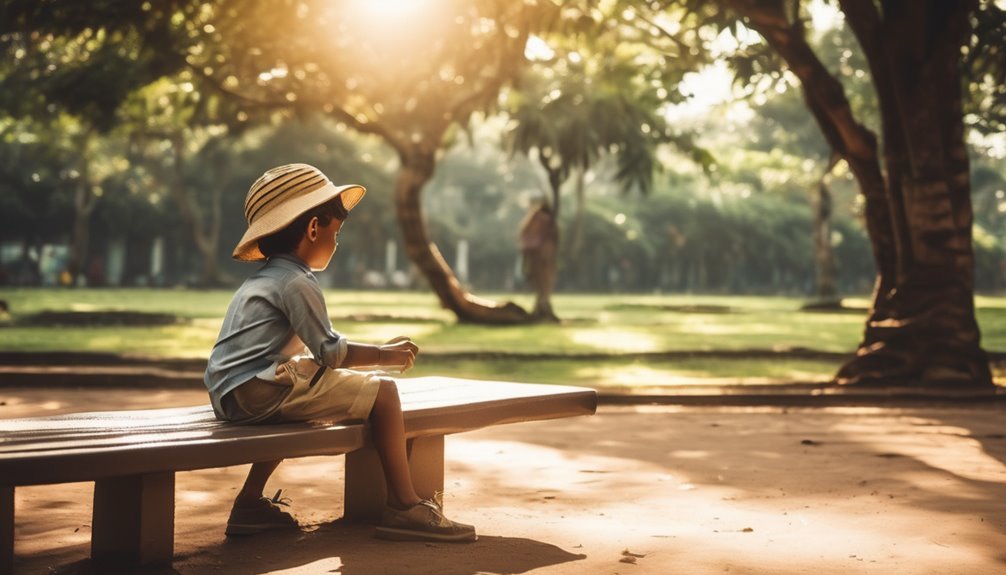
When you pick protective clothing for tropical heat, look for lightweight UV fabrics that still feel breathable and comfortable in Bangalore’s climate. These fabrics should block UV rays while letting air circulate, so you don’t overheat during outdoor play. Prioritize breathable sun wear that fits well, dries quickly, and reduces sun exposure without adding bulk.
Lightweight UV Fabrics
Lightweight UV fabrics are a practical solution for sun protection in hot tropical climates, offering a balance between breathable comfort and effective shielding. You’ll notice that lightweight materials can block UV rays without trapping heat, so you stay cooler during long outdoor sessions. Look for fabrics with an Ultraviolet Protection Factor (UPF) rating and tight weaves, not sheer textures. The goal is reliable UV protection without sacrificing mobility or airflow. When choosing, prioritize lightweight fabrics that wick moisture and dry quickly, supporting comfort as you move. Table below highlights key fabrics and why they work.
| Fabric Type | UV Duty | Comfort Benefit |
|---|---|---|
| Lightweight knits | UPF 30–50+ | Breathable, quick-dry |
| Woven blends | UPF 30–50+ | Stable, comfortable |
| UV-coated synthetics | UPF 50+ | Strong protection |
Breathable Sun Wear
Ever wonder how to stay cool though shielding your skin in tropical heat? Breathable sun wear blends UPF-rated protection with fabrics that wick moisture and vent heat. Look for garments labeled breathable fabrics, designed to move air without sacrificing coverage. An airflow design—the use of mesh panels, perforations, or vented seams—lets heat escape while you’re active, reducing the feeling of stuffiness in Bangalore’s sun. Choose light colors that reflect sunlight and stay comfortable longer. Fit matters, too: looser cuts improve air circulation without exposing more skin. Wash-and-wear materials should maintain breathability after multiple uses. Pair breathable sun wear with hats and sunglasses for full protection. This approach supports sustained outdoor play and community belonging while reducing sun exposure risks.
Timing Outdoor Activities to Beat Peak Sun Hours
To cut exposure, plan outdoor play around peak sun hours, especially when UV levels are highest. Consider outdoor windows in the morning and later in the afternoon, and aim to avoid mid-day play during peak sun. Early morning or late afternoon sessions can reduce damage while still supporting activity and safety.
Peak Sun Timing
When is the sun strongest, and how can you plan outdoor play around it? In Bangalore’s tropical heat, peak sun hours typically occur late morning to early afternoon. You can reduce exposure by moving outdoor activities to mornings or late afternoons, and by using shade strategies during high-UV moments.
- Schedule play before 10 a.m. or after 4 p.m. for lower UV exposure
- Seek shaded routes and take micro-breaks to rest in cool areas
- Wear sun-protective gear and apply sunscreen consistently
Morning Outdoor Windows
Morning outdoor windows offer a practical window of lower UV risk. You can align outdoor play times with morning hours when the sun is less intense, typically before 10 a.m. in Bangalore’s tropical heat, reducing cumulative sun exposure without sacrificing activity. If you plan short sessions outdoors, use shade breaks and lightweight, breathable clothing to support consistent protection. Track daily UV forecasts and choose overcast or mild mornings when available, since clouds don’t fully block UV rays. Keep sunscreen handy for exposed skin and reapply after sweating or water play. This approach helps ease ultraviolet anxiety, offering evidence-based steps you can trust. By tailoring timing, you build a routine that preserves health while staying connected to your outdoors-loving community.
Dusk Play Windows
Could dusk be your best window for outdoor play in Bangalore’s tropical heat? Yes, as the sun settles, UV intensity drops, making after‑work sessions safer for kids and caregivers. You still protect skin by using shade and thoughtful clothing, but you’ll find the risk of sun exposure misconceptions easier to manage during these hours. Align play with lower peak hours, while staying mindful of lingering rays and reflective surfaces.
- Sun exposure misconceptions: midday myths vs. real risk at dusk
- Shade preferences: micro‑shades near walls, trees, and canopies
- Practical tips: lightweight hats, sunscreen routine, and hydration before sunset
Shade Strategies That Keep Playgoing All Day
Shade isn’t just a luxury in Bangalore’s tropical heat—it’s a practical, daily shield that keeps kids active. You’ll benefit from simple shade strategies that reduce direct sun exposure during peak hours, supporting steady play and safety. Plan shaded zones near playground equipment to encourage sustained activity without overheating. When designing, consider permeable materials and light-colored surfaces to minimize heat buildup and glare. Regular shade coverage, even partial, lowers UV exposure and helps families feel confident staying outdoors longer. In shady playground design, use canopy sails, trees, and shade structures that don’t obstruct sightlines or airflow. Prioritize durable, kid-friendly materials and maintenance routines so coverings stay intact. This approach strengthens belonging and invites consistent, confident outdoor play.
Hydration and Skin Health: Keeping Energy Up in the Heat
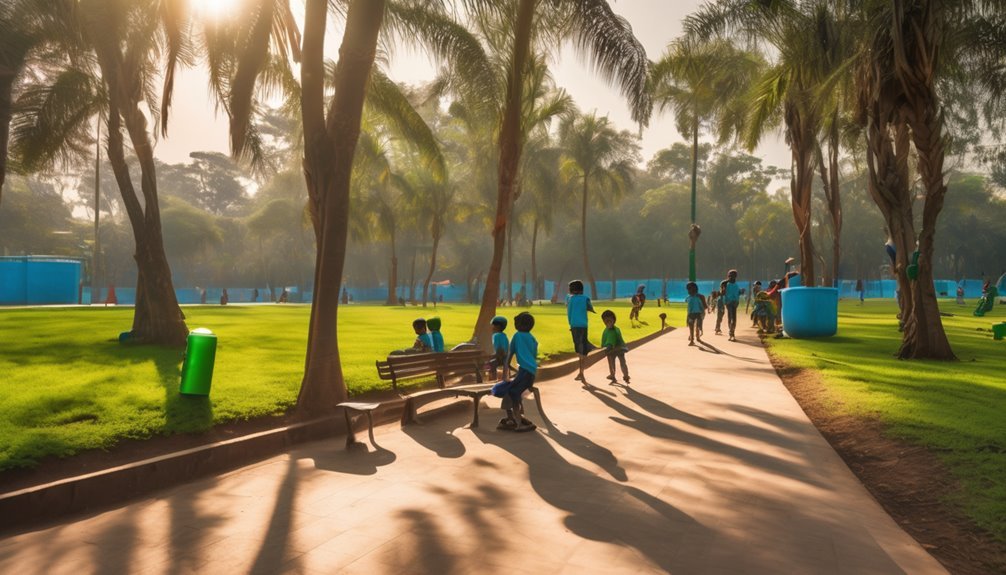
Hydration and skin health are closely linked when kids play in Bangalore’s heat, so staying hydrated isn’t just about quenching thirst — it helps maintain energy, mood, and skin comfort.
Hydration supports energy, mood, and skin comfort for kids in Bangalore’s heat.
- Hydration strategies that fit daily play: small, frequent sips; water-rich foods; and a reusable bottle within reach.
- Energy maintenance through balanced fluids: include electrolytes for long sessions and after sweating, plus protein and fiber at meals.
- Skin comfort support: consistent hydration supports barrier function, while shade and breathable fabrics reduce water loss.
Myths About Sun Exposure: What Really Protects You
Do you know which sun-protection beliefs are truly evidence-based and which aren’t? In the realm of sun exposure myths, you’ll find that more isn’t always better, and a few basics go a long way. Regular sunscreen use matters, but no single product guarantees perfect protection. Broad-spectrum formulas with SPF 30 or higher, reapplied every two hours or after swimming or sweating, help reduce UV damage. Clothing and hats add layers of defense, yet coverage matters as much as SPF. Don’t rely on sunscreen alone to stay safe; shade, timing, and hydration support skin health. Be alert to sunscreen misconceptions, like SPF alone equaling complete protection or that higher SPF blocks all rays. Evidence points to layered protection and consistent habits.
Quick Checks for Daily UV Risk in Bengaluru
Bengaluru’s tropical climate means UV levels can be high even on seemingly mild days, so quick checks help you gauge daily risk. You can stay prepared by tracking a few simple signals and using reliable sources to guide your decisions. Rely on a local UV index forecast to decide on sun exposure time and protective steps. Check the morning radar for cloud cover, since brief shade can lower daily uv only temporarily. Trust reputable apps or websites that translate UV data into practical tips for Bengaluru’s climate.
Bengaluru’s tropical climate means UV can be high; check local UV forecasts, morning cloud cover, and practical tips for protective steps today.
- quick checks: UV index today, cloud cover, and exposed hours
- daily uv risk guidance based on local forecasts
- practical steps you can take immediately for protection
Safe Play Accessories: Hats, Sunglasses, and More
Wearing a hat and sunglasses isn’t just about style; it’s a practical shield against sun exposure on Bangalore’s bright days. Look for wide-brim hats that shade ears and neck, and sunglasses with UV 400 or 100% UV protection to guard your eyes. In this section, we’ll cover hat safety tips and sunglasses essential to help you choose gear that fits children and adults alike.
Hat Safety Tips
Ever wondered how a simple hat can keep you safer during Bangalore’s tropical heat? A well-chosen hat reduces sun exposure and helps you stay cool by shading your head, ears, and neck. Look for sun cooling hats with UPF protection and breathable fabrics to prevent overheating. Consider the fit and brim width to maximize coverage without restricting movement. Use reflective visor tips to deflect glare and keep your eyes comfortable during outdoor activities.
- Choose sun cooling hats with wide brims and moisture-wicking bands
- Ensure a snug, adjustable fit and chin strap for active days
- Opt for reflective visor tips and breathable materials for visibility and comfort
Sunglasses Essentials
Sunglasses aren’t just a style accessory; they’re a key part of protecting your eyes from Bangalore’s bright, tropical sun. When you choose shades, look for 100% UV protection, wraparound coverage, and polarized lenses to reduce glare during outdoor play. Comfort matters too, so pick a lightweight frame and adjustable nose pads. Pair sunglasses with sunscreen application on exposed skin to build a complete shield. For kids and adults, ensure they fit well and are worn consistently. Also consider UV sensor gadgets that alert you when UV levels rise, helping you plan breaks.
| Benefit | Tips |
|---|---|
| Eye protection | 100% UV, wraparound, polarized |
| Daily use | Fit, comfort, consistent wear |
Practical Sun Safety Routines for Families on the Go
When you’re rushing between errands, what small, repeatable routines can protect everyone from sun damage without slowing you down? You can build simple habits that cut sun exposure risks and support a sense of belonging. Keep it practical: sunscreen application tips become automatic at key moments, and awareness of UV peaks helps pacing. These routines empower the whole family to participate and feel cared for.
- Apply sunscreen before leaving home, reapply every two hours, or after sweating or swimming.
- Pack hats, sunglasses, and lightweight long sleeves for quick, sun-smart transitions.
- Schedule outdoor time earlier or later in the day to minimize peak UV exposure.
These steps foster safety, efficiency, and togetherness in Bangalore’s tropical heat.
Frequently Asked Questions
How Often Should Sunscreen Be Reapplied During Long Outdoor Play?
You should reapply sunscreen every two hours during long outdoor play. If you’re swimming or sweating a lot, reapply more often. Consider reapplication frequency after towel drying or after extended outdoor play duration, to maintain protection. Use a broad-spectrum SPF 30+ product and cover all exposed skin. Teach kids and teammates to stay mindful, so everyone feels included and protected. Remember, consistency builds confidence and helps you keep enjoying time outside together.
Do Kids Need Sunscreen on Cloudy Overcast Days in Bengaluru?
Yes, kids still need sunscreen on cloudy days in Bengaluru. UV rays penetrate clouds, so you should apply sunscreen and reapply as usual during outdoor play. Think of sunscreen deployment as part of routine safety, not a chore. On overcast days, protect exposed skin, wear hats, and seek shade when possible. This helps your child feel included and cared for, while cloudy day protection keeps everyone thriving outdoors.
Can UV Exposure Be Harmful Indoors Near Windows?
Yes, indoor UV exposure can be harmful, especially near windows. You’ll want to contemplate window UV filtration, since standard glass blocks some UVB but not all UVA rays. Even behind a window, you can accumulate cumulative skin damage over time. Use broad-spectrum sunscreen indoors when you’ll be near sunlit windows, wear protective clothing, and install UV-filtering window films or blinds to reduce exposure and feel more connected and protected.
Are There Age-Specific Sunscreen SPF Recommendations?
Yes—there are age-specific SPF recommendations. For babies under 6 months, avoid sunscreen and rely on shade and protective clothing; for children 6 months to 2 years, use a broad-spectrum SPF 30 or higher. For kids over 2, teens, and adults, SPF 30–50+, water resistance, and reapplication every two hours (or after sweating/swimming) are advised. Consider your skin type and family needs; find an inclusive routine you’ll stick with together. age specific, SPF recommendations.
Do Sunglasses Protect Against All UV Types, Not Just UVB?
Sunglasses protect against both UVA and UVB, but not all types equally. Look for sunglasses labeled 100% UV or UV400 to guard against UVA and UVB. Some cheap pairs only block UVB, so check the label. Window exposure also matters—UV can pass through glass, so wear glasses indoors or near windows too. When you choose, consider sunglasses UV quality and fit, and remember cozy, belonging vibes come from consistent sun safety.