
Indoor play equipment is designed to facilitate child development through safe and engaging play. It includes soft structures, climbing frames, and imaginative role play areas, catering to different ages and interests. When choosing, consider safety features, age appropriateness, and the equipment’s ability to promote social interaction. Think about your space and layout to guarantee a welcoming environment. If you’re curious about the various options and benefits, there’s more to explore on this topic.
Key Takeaways
- Indoor play equipment includes structures like soft play areas, climbing frames, and sensory play items that support children’s physical and cognitive development.
- Choose equipment based on age appropriateness to ensure safety and enhance play experiences for toddlers, preschoolers, and school-age children.
- Consider engaging designs and themes that stimulate children’s imagination and encourage social interaction and teamwork during playtime.
- Prioritize safety by selecting equipment that meets safety standards, undergoes regular inspections, and incorporates soft materials to reduce injury risks.
- Regular maintenance and cleaning are essential to ensure the longevity, hygiene, and safety of indoor play equipment.
Understanding Indoor Play Equipment
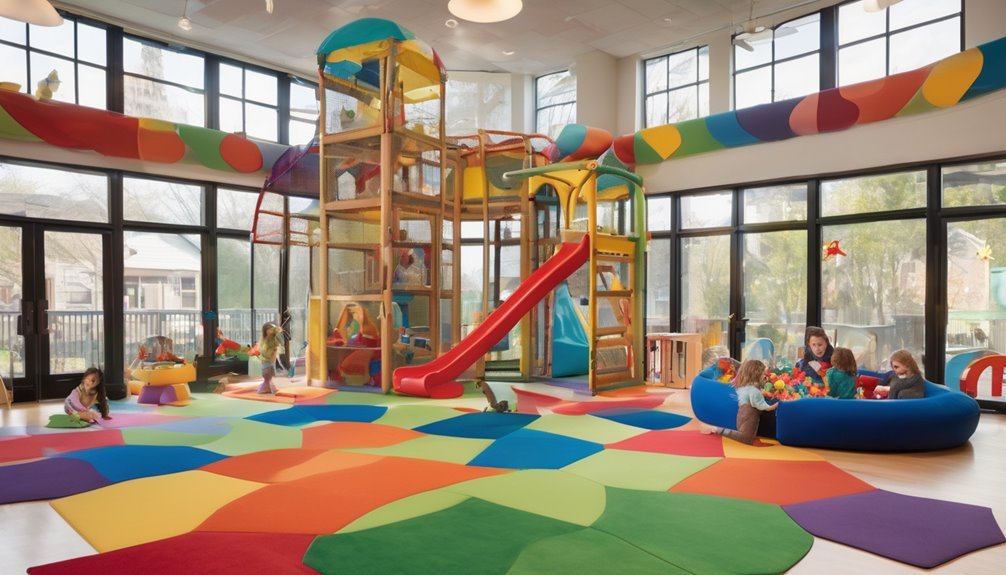
When you think about indoor play equipment, it’s essential to recognize its role in child development. This equipment isn’t just about fun; it promotes social skills, creativity, and physical coordination. When selecting indoor play options, consider features like safety, versatility, and age-appropriateness. For instance, soft surfaces and rounded edges can keep your little ones safe as they explore. Equipment features that encourage group play can also nurture friendships and teamwork. Furthermore, engaging designs stimulate imagination, allowing children to create their own adventures. By comprehending these aspects, you’re not just choosing toys; you’re providing a space where kids can thrive, learn, and belong. Prioritizing thoughtful selections means you’re supporting their growth in a meaningful way.
Types of Indoor Play Equipment
When considering indoor play equipment, you’ll find a variety of options that cater to different interests and developmental needs. Soft play structures provide a safe environment for younger children, whereas climbing frames challenge older kids to improve their physical skills. Interactive games can additionally captivate children mentally, making playtime both fun and educational.
Soft Play Structures
Soft play structures offer a safe and engaging environment for children to explore and develop their physical skills. These versatile play designs encourage imaginative play during promoting social interaction, which is crucial for nurturing a sense of belonging among kids. Soft play benefits include enhancing motor skills, coordination, and confidence as children maneuver through various obstacles and challenges. When choosing a soft play structure, consider the age group and interests of the children who’ll use it. Look for designs that incorporate lively colors and diverse textures to stimulate sensory exploration. In the end, investing in quality soft play equipment creates a welcoming space where children can feel secure, learn, and grow together, building friendships that last a lifetime.
Climbing Frames
Building on the benefits of soft play structures, climbing frames serve as another dynamic option for indoor play equipment. These frames encourage kids to explore various climbing techniques, nurturing not just physical strength but also problem-solving skills. As children tackle climbing challenges, they build confidence and resilience, crucial traits for their development.
When choosing a climbing frame, consider the age and skill levels of your children. Look for options that offer a range of heights and difficulty levels to involve kids of all abilities. Your little ones will thrive in an environment where they can connect with peers, share experiences, and celebrate achievements together. In the end, climbing frames can create a sense of belonging and community in your indoor play space.
Interactive Games
As children interact with interactive games, they not only enjoy themselves but furthermore develop crucial cognitive and social skills. These games create an captivating environment where kids can connect with their peers during facing interactive challenges. Here are three key aspects to reflect upon:
- Game Variations: Choose games that offer multiple levels or themes to keep children involved and encourage problem-solving.
- Collaborative Play: Look for games that promote teamwork, helping kids build friendships and learn valuable social skills.
- Age Appropriateness: Confirm the games match the age and developmental stages of the children, allowing for safe exploration and fun.
Benefits of Indoor Play Equipment
Though many parents concentrate on outdoor activities for their children, the benefits of indoor play equipment are often overlooked. Indoor play areas provide a safe environment for kids to explore their creativity and participate in activities that promote cognitive development. From problem-solving games to interactive structures, these tools can improve critical thinking skills. Additionally, indoor play equipment encourages social interaction among children, allowing them to develop friendships and learn teamwork as they play together. In doing so, it nurtures a sense of belonging that every child craves. When you invest in quality indoor play equipment, you’re not just providing entertainment; you’re also supporting your child’s emotional and intellectual growth, ensuring they thrive in various aspects of their development.
Safety Standards and Regulations
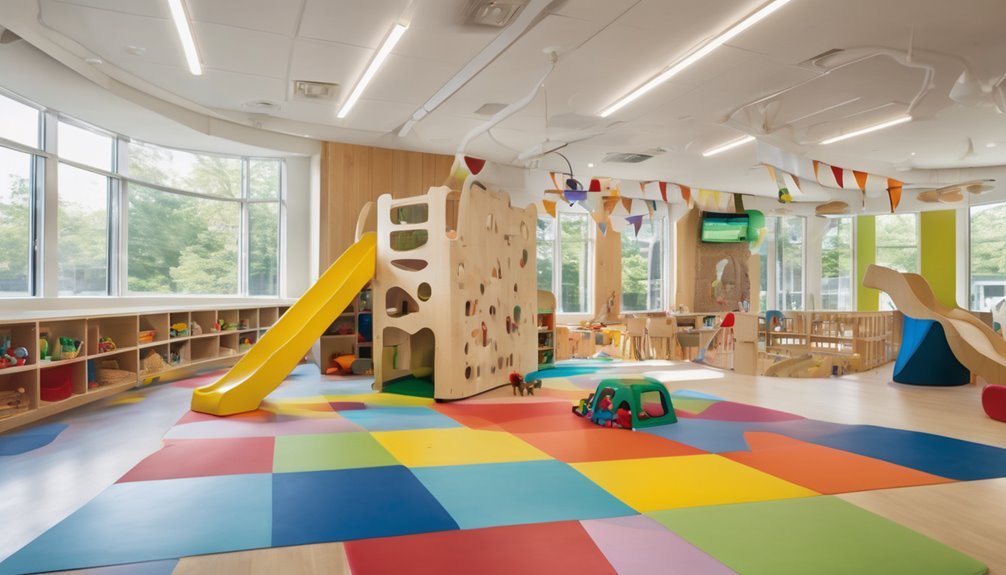
When it pertains to indoor play equipment, comprehending safety standards and regulations is crucial for guaranteeing a secure environment for your child. You want to provide a fun space, but safety must come first. Here are key factors to contemplate:
- Safety Certifications: Look for products that meet national safety standards, as these certifications guarantee compliance with vital safety guidelines.
- Equipment Inspections: Regular inspections by professionals help identify potential hazards and maintain the integrity of the equipment.
- Material Quality: Choose durable materials that can withstand wear and tear, reducing the risk of accidents.
Age Appropriateness Considerations
Selecting the right indoor play equipment involves more than just aesthetics; it’s vital to assess age appropriateness to guarantee your child’s safety and enjoyment. Comprehending the developmental stages of children helps you choose equipment suited to their age range. For toddlers, soft, low-to-the-ground structures encourage exploration, whereas preschoolers benefit from more challenging climbing apparatus that promotes coordination. School-age children require equipment that encourages social interaction and physical activity, such as multi-level playsets. Always consider how each piece of equipment corresponds with your child’s skills and comfort level. By prioritizing age appropriateness, you not only secure safety but additionally improve their play experience, helping them feel a sense of belonging in their play environment.
Assessing Space and Layout
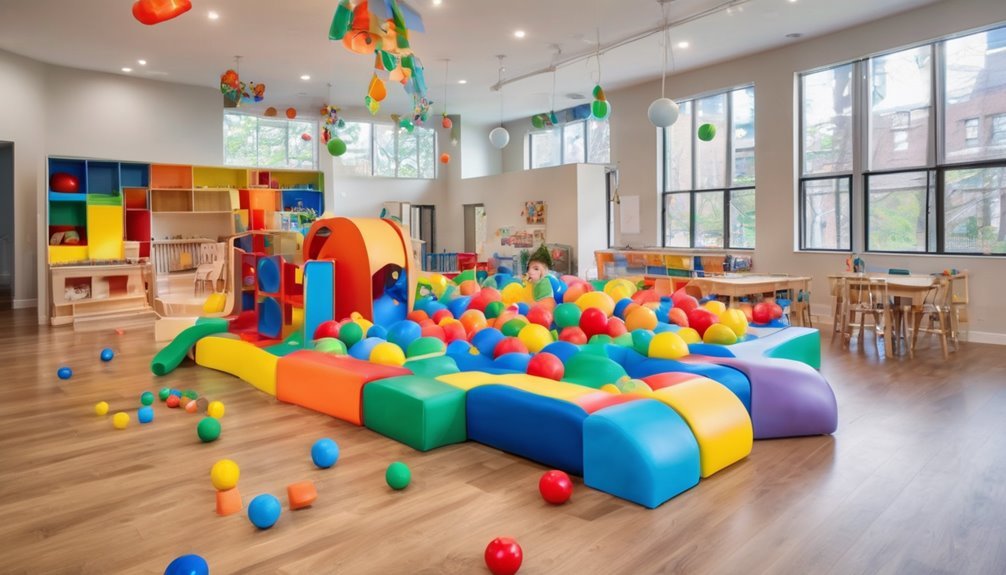
When evaluating your indoor play area, it’s essential to measure the available space accurately to guarantee safety and comfort. You’ll want to take into account layout optimization strategies that maximize playability as well as minimizing congestion. By thoughtfully arranging the equipment, you can create an engaging environment where children can thrive.
Measuring Available Space
Measuring available space is crucial for guaranteeing that indoor play equipment fits comfortably and safely within your designated area. You’ll want to employ effective measuring techniques to get accurate results. Here are three key steps to follow:
- Identify Available Dimensions: Measure the length, width, and height of your space to understand the total area you’re working with.
- Consider Safety Zones: Factor in additional space around the equipment for safe movement and play.
- Account for Accessibility: Verify pathways are clear and equipment is easily accessible for all children.
Layout Optimization Strategies
To maximize the potential of your indoor play area, it is essential to assess both the space and layout thoughtfully. Start by considering layout flow to guarantee children can maneuver easily and safely. Effective space utilization is key to creating an inviting atmosphere, allowing for both active play and quiet zones.
| Area Type | Purpose |
|---|---|
| Active Play Zone | High-energy activities |
| Quiet Zone | Relaxation and reading |
| Social Interaction | Group activities and games |
| Viewing Area | Supervision for caregivers |
Engaging Children’s Interests
How can indoor play equipment truly captivate children’s imaginations? To involve children’s interests effectively, you’ll want to focus on their preferences and the themes that excite them. Here are three strategies to contemplate:
- Diverse Themes: Incorporate captivating themes like adventure, space, or nature to spark creativity and interest.
- Interactive Features: Choose equipment that encourages interaction, allowing children to explore and cooperate, nurturing social skills and friendships.
- Variety of Activities: Provide options that cater to different play styles, whether it’s climbing, sliding, or imaginative role play, ensuring every child finds something they love.
Maintenance and Care for Indoor Play Equipment
While indoor play equipment can provide endless joy and stimulation for children, its longevity and safety depend heavily on regular maintenance and care. Establishing consistent cleaning routines and conducting thorough equipment inspections are crucial steps to guarantee a safe play environment.
| Maintenance Task | Frequency |
|---|---|
| Clean surfaces | Weekly |
| Inspect for damages | Monthly |
| Check safety features | Every three months |
Frequently Asked Questions
How Much Does Indoor Play Equipment Typically Cost?
Indoor play equipment typically ranges from a few hundred to several thousand dollars. When considering your budget, think about the equipment features you need to guarantee a safe, engaging environment for your kids to thrive in.
Can Indoor Play Equipment Be Customized for Specific Themes?
Yes, indoor play equipment can be customized with thematic designs and various custom options. This personalization helps create a unique environment, nurturing a sense of belonging for children and enhancing their imaginative play experiences.
What Materials Are Best for Indoor Play Equipment?
When choosing materials for indoor play equipment, think of safety standards first. Opt for durable options like plastic or wood that meet maintenance requirements, ensuring a safe, engaging environment where everyone feels welcomed and included.
Where Can I Find Indoor Play Equipment Retailers?
You can find indoor play equipment retailers online or locally. Look for those that meet safety standards, ensuring a safe environment for your kids. Connecting with other parents can likewise lead to trusted recommendations.
How Long Does Indoor Play Equipment Last on Average?
Indoor play equipment typically lasts 5-15 years, depending on durability factors like materials and usage. To extend its life, follow maintenance tips such as regular cleaning and inspections, ensuring a safe and enjoyable space for everyone.